-
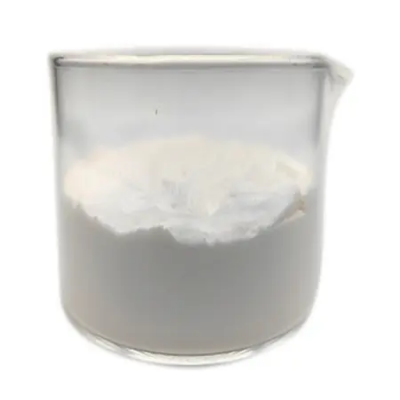
1,1-Cyclobutanedicarboxylatodiammineplatinum (II) CAS:41575-94-4
1,1-Cyclobutanedicarboxylatodiammineplatinum (II), also known as carboplatin, is a coordination complex featuring a platinum center coordinated to two ammine ligands and a cyclobutanedicarboxylate ligand. This compound is a derivative of the widely studied anticancer drug cisplatin, and its structure and reactivity have been investigated for their potential applications in medicinal chemistry and materials science.
-
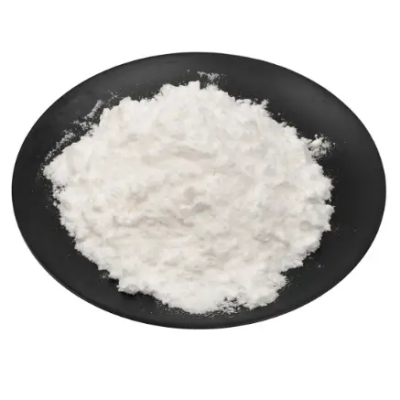
Potassium chloroplatinite (II) CAS:10025-99-7
Potassium chloroplatinite (II), also known as potassium hexachloroplatinate (II), is a chemical compound with the formula K2PtCl6. It is a yellow crystalline solid that is highly soluble in water and is primarily used as a precursor for various platinum-containing compounds.
-

Platinum 2,4-pentanedionate CAS:15170-57-7
Platinum 2,4-pentanedionate, also known as platinum acetylacetonate or platinum(II) acetylacetonate, is a coordination complex consisting of a platinum(II) center coordinated to two acetylacetonate ligands. This compound has been studied for its structural and reactivity properties, and it has potential applications in various fields.
-
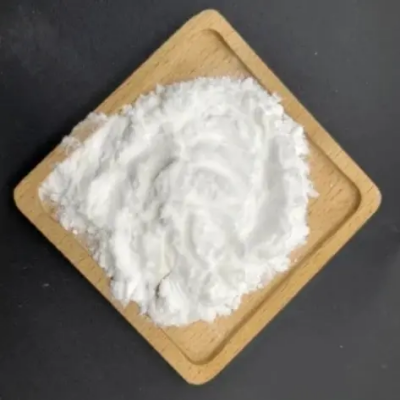
Platinum(IV) chloride CAS:13454-96-1
Platinum(IV) chloride, also known as platinum tetrachloride, is a chemical compound with the formula PtCl4. It is a dark red crystalline solid that is highly reactive and is primarily used as a precursor for various platinum-containing compounds.
-
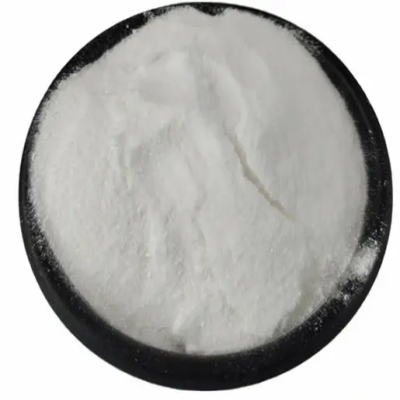
Tetrakis(triphenylphosphine)platinum(0) CAS:14221-02-4
Tetrakis(triphenylphosphine)platinum(0) is a coordination complex featuring a platinum(0) center coordinated to four triphenylphosphine ligands. This compound is notable for its distinctive structure and its role as a versatile precursor in various chemical reactions and materials synthesis. The platinum(0) center, in combination with the phosphine ligands, imparts unique reactivity and coordination properties, leading to its wide-ranging applications in both academic research and industrial settings.
-
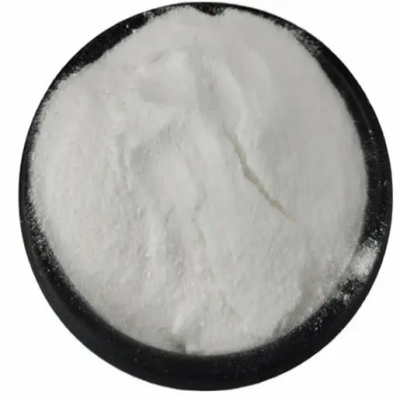
cis-Dichlorobis(diethylsulfide)platinum (II) CAS:15442-57-6
cis-Dichlorobis(diethylsulfide)platinum(II) is a coordination complex featuring a platinum atom in the +2 oxidation state coordinated to two chloride ions and two diethylsulfide ligands. It is a yellow crystalline solid that is sparingly soluble in water and exhibits distinctive reactivity and coordination chemistry due to the platinum center.
-
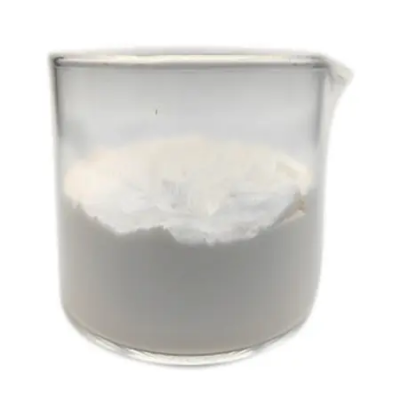
Diammineplatinum(II) nitriteCAS:14286-02-3
Diammineplatinum(II) nitrite, also known as cisplatin, is a coordination compound containing platinum in the +2 oxidation state coordinated to two ammine ligands and a nitrite ion. It is a well-known and widely used platinum-based anticancer drug. Cisplatin is a crystalline solid that is sparingly soluble in water and is highly reactive due to the presence of the platinum center.
-
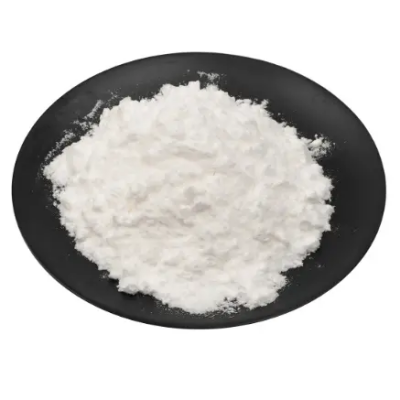
Potassium chloroplatinate CAS:16921-30-5
Potassium chloroplatinate, also known as potassium hexachloroplatinate(IV), is a coordination compound containing platinum in the +4 oxidation state coordinated to six chloride ions and a potassium ion. It is a yellowish crystalline solid that is soluble in water and other polar solvents. Potassium chloroplatinate is widely studied for its potential applications in catalysis, materials science, and analytical chemistry.
-

Tetraammineplatinum(II) nitrate CAS:20634-12-2
Tetraammineplatinum(II) nitrate is a coordination compound containing platinum in the +2 oxidation state coordinated to four ammine ligands and a nitrate ion. It likely exists as a crystalline solid and may have limited solubility in water. Due to the presence of the platinum center, it is expected to exhibit high reactivity and unique coordination chemistry.
-
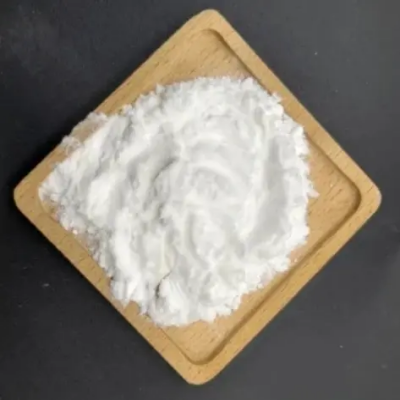
cis-bis(triphenylphosphine)platinum(ii) dichloride CAS:15604-36-1
cis-Bis(triphenylphosphine)platinum(II) dichloride, also known as cisplatin, is a coordination complex widely studied for its diverse applications in chemistry, medicine, and materials science. This compound consists of a platinum(II) center coordinated to two triphenylphosphine ligands and two chloride ions, arranged in a cis configuration. Its distinctive structure and reactivity have made it a subject of extensive research and practical use.
-
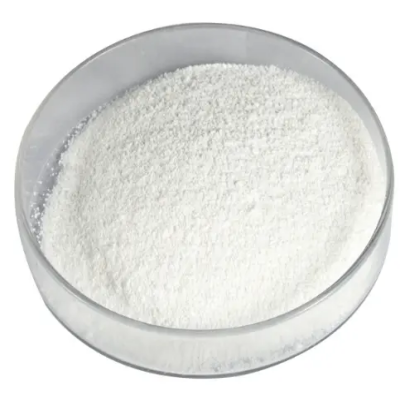
trans-Dichlorodiamineplatinum(II) CAS:14913-33-8
trans-Dichlorodiamineplatinum(II) is a coordination compound containing platinum in the +2 oxidation state coordinated to two chloride ions and two amine ligands. This compound is widely studied for its potential applications in medicinal chemistry, catalysis, and materials science. Its unique coordination environment and reactivity make it a subject of interest for various scientific and industrial purposes.
-

Dichloro(1,5-cyclooctadiene)platinum (II) CAS:12080-32-9
Dichloro(1,5-cyclooctadiene)platinum(II) is a coordination compound featuring platinum in the +2 oxidation state coordinated to two chloride ions and a 1,5-cyclooctadiene ligand. This compound is of interest due to its unique coordination environment and potential applications in catalysis, materials science, and organic synthesis.

