-
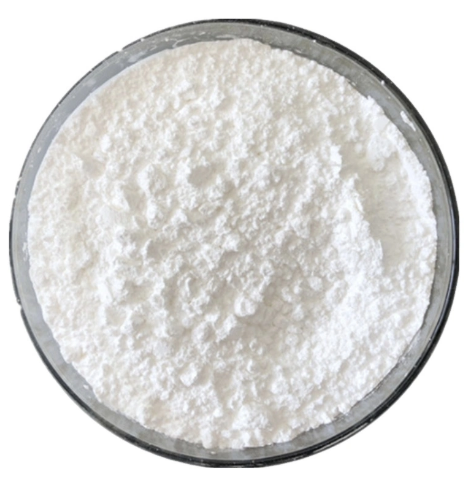
Beta-D-Galactose pentaacetate CAS:114162-64-0
Beta-D-galactose pentaacetate is a chemical compound that is derived from galactose, a type of sugar. It is formed by acetylating galactose with five acetyl groups. This modification increases the compound’s stability and allows it to be used in various chemical and biochemical applications.Beta-D-galactose pentaacetate is commonly used as a protective agent for galactose in organic reactions. It helps prevent unwanted reactions or side reactions by masking the reactive groups of galactose.Additionally, this compound is sometimes used as a precursor or starting material in the synthesis of other galactose derivatives. Its acetylated form allows for easier manipulation and modification of the galactose molecule in subsequent reactions.Overall, beta-D-galactose pentaacetate is a useful compound in chemical research and synthesis that provides stability and versatility for galactose-related reactions.
-
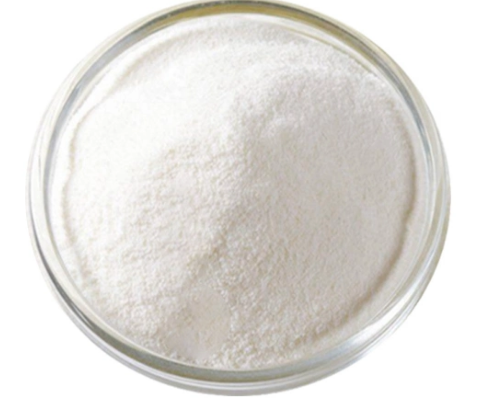
3-morpholinopropanesulfonic acid hemisodium salt CAS:117961-20-3
3-(N-Morpholino)propanesulfonic acid hemisodium salt, also known as MOPS-Na, is a zwitterionic buffer commonly used in biochemical and biological research. It is composed of a morpholine ring, a propane chain, and a sulfonic acid group.
MOPS-Na is an effective buffer for maintaining a stable pH in the physiological range (pH 6.5-7.9). It is often used in cell culture media, protein purification and characterization, enzyme assays, and DNA/RNA electrophoresis.
One of the advantages of MOPS-Na as a buffer is its low UV absorption, which makes it suitable for spectrophotometric applications. It also exhibits minimal interference with common assay methods.
MOPS-Na is soluble in water, and its solubility is pH-dependent. It is typically supplied as a solid powder or as a solution, with the hemisodium salt form being more commonly used.
-

HEPES-Na CAS:75277-39-3 Manufacturer Price
HEPES sodium salt, also known as N-(2-Hydroxyethyl)piperazine-N’-2-ethanesulfonic acid sodium salt, is a zwitterionic buffer commonly used in biological and biochemical research. Its primary function is to maintain a stable pH level in various experimental systems. HEPES sodium salt is highly versatile, stable, and non-toxic, making it suitable for a wide range of applications including cell culture, enzyme kinetics, immunoassays, and molecular biology experiments. It is compatible with many biological samples and systems, providing a controlled environment for precise pH regulation.
-

4-Nitrophenyl Beta-D-glucuronide CAS:10344-94-2
4-Nitrophenyl Beta-D-glucuronide is a chemical compound formed by attaching a glucose molecule to a 4-nitrophenyl group through a glycosidic linkage. It is commonly used as a substrate in enzymatic assays to detect the presence and activity of β-glucuronidase, an enzyme involved in the metabolism of various drugs and xenobiotics in mammals.When β-glucuronidase is present, it cleaves the glycosidic bond between the glucose and 4-nitrophenyl group, resulting in the release of 4-nitrophenol, which can be detected spectrophotometrically at 400-420 nm. This enzymatic reaction provides a quantitative measurement of β-glucuronidase activity and is often used as a tool in drug discovery, toxicology studies, and clinical diagnostics.
-
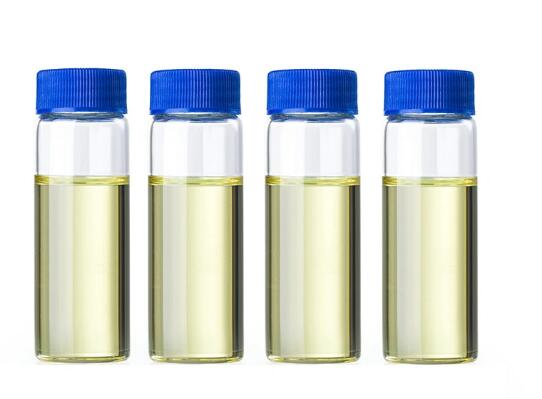
N-(2-Aminoethyl)morpholine CAS:2038-03-1
N-(2-Aminoethyl)morpholine, also known as AEM, is a chemical compound with a linear structure. It consists of a morpholine ring with an aminoethyl group attached to one of its nitrogen atoms. AEM is a colorless liquid with a characteristic odor.
AEM finds application in various industrial sectors. It is primarily used as a solvent for organic compounds due to its excellent solvency properties. Additionally, AEM acts as a corrosion inhibitor in industries involving metal cleaning, oil and gas production, and water treatment. It helps protect metals from rust and corrosion.
Furthermore, AEM serves as a chemical intermediate for the synthesis of pharmaceuticals, agrochemicals, and specialty chemicals. It is employed in polymer additives to improve the adhesive properties of coatings, adhesives, and sealants. AEM is also used as a pH adjuster or buffering agent in certain industrial processes.
-

Ada Monosodium CAS:7415-22-7
N-(2-Acetamido)iminodiacetic acid monosodium salt, also known as sodium iminodiacetate or sodium IDA, is a chemical compound commonly used as a chelating agent and buffering agent in various industries and scientific applications.
Its chemical structure consists of an iminodiacetic acid molecule with an acetamido functional group attached to one of the nitrogen atoms. The monosodium salt form of the compound provides improved solubility and stability in aqueous solutions.
As a chelating agent, sodium iminodiacetate has a high affinity for metal ions, particularly calcium, and can effectively sequester and bind them, preventing undesired reactions or interactions. This property makes it useful in a wide range of applications, including chemistry, biochemistry, pharmacology, and manufacturing processes.
In addition to its chelation capabilities, sodium iminodiacetate also acts as a buffering agent, helping to maintain the desired pH of a solution by resisting changes in acidity or alkalinity. This makes it valuable in various analytical techniques and biological experiments where precise pH control is necessary.
-

L-(-)-Fucose CAS:2438-80-4 Manufacturer Price
L-Fucose is a type of sugar or simple carbohydrate that naturally occurs in various plant and animal tissues. It is classified as a monosaccharide and is structurally similar to other sugars like glucose and galactose.L-Fucose plays important roles in biological processes such as cell signaling, cell adhesion, and cellular communication. It is also involved in the synthesis of certain molecules like glycolipids, glycoproteins, and certain antibodies.This sugar is found in various foods, including certain types of algae, mushrooms, and fruits like apples and pears. It is also available as a dietary supplement and is used in some cosmetic and pharmaceutical products.L-Fucose is believed to offer potential health benefits, although more research is needed to confirm these claims. Some studies suggest that it may have anti-inflammatory, antioxidant, and immunomodulatory properties. It is also being investigated for its potential to inhibit the growth of certain cancer cells and as a possible treatment for certain genetic disorders.Overall, L-Fucose is a naturally occurring sugar with important biological functions. It can be found in various foods and is also available as a dietary supplement, with ongoing research exploring its potential health benefits.
-
![disodium4-[3-methyl-N-(4-sulfonatobutyl)anilino]butane-1-sulfonate CAS:127544-88-1](https://cdn.globalso.com/xindaobiotech/图片223.png)
disodium4-[3-methyl-N-(4-sulfonatobutyl)anilino]butane-1-sulfonate CAS:127544-88-1
Disodium 4-[3-methyl-N-(4-sulfonatobutyl)anilino]butane-1-sulfonate is a chemical compound with a complex molecular structure. It is commonly referred to as a sulfonate derivative of anilino butane.
-
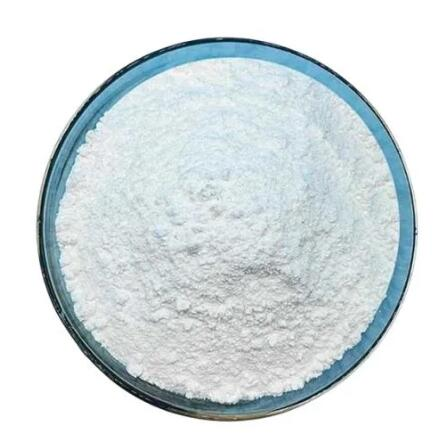
1,3-bis(tris(hydroxymethyl)methylamino) propane CAS:64431-96-5
1,3-bis(tris(hydroxymethyl)methylamino) propane is a chemical compound with the molecular formula C15H35N3O8. It is a polyalcohol that contains multiple hydroxyl groups and amine groups. This compound is commonly used as a crosslinking agent or as a building block in the synthesis of polymeric materials.
Due to its high number of hydroxyl and amine groups, 1,3-bis(tris(hydroxymethyl)methylamino) propane is often utilized in the production of resins, coatings, adhesives, and various other polymer-based products. It can undergo chemical reactions with other monomers or polymers to form stable and durable networks.
Furthermore, this compound can act as a chelating agent, binding to metal ions and helping to stabilize their presence or reactivity. It has applications in metal ion extraction, catalysis, and other chemical processes involving metal coordination. Additionally, it can be used as a pH buffer or pH regulator in various systems.
-
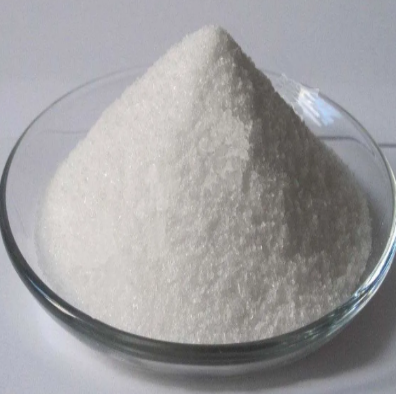
METHYL Beta-D-GLUCOPYRANOSIDE HEMIHYDRATE CAS:7000-27-3
Methyl beta-D-glucopyranoside hemihydrate is a chemical compound that belongs to the class of glucopyranosides. It is a white crystalline powder that is soluble in water. This compound is commonly used as a carbohydrate source in cell culture media and a substrate for enzymatic reactions in biochemical and biotechnological research. It can serve as a model compound to study carbohydrate metabolism, transport, and utilization in various biological systems. Methyl beta-D-glucopyranoside hemihydrate finds applications in the field of glycobiology, enzymology, and drug development, where it is utilized as a tool compound for various assays and experiments.
-
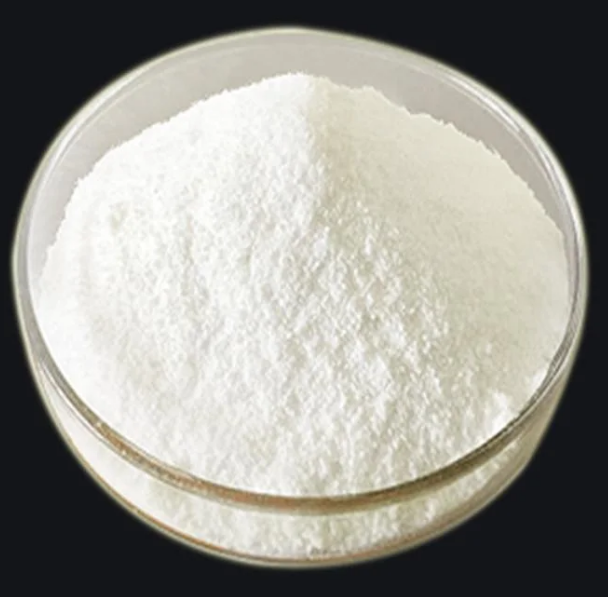
4-Morpholineethanesulfonic acid CAS:4432-31-9
4-Morpholineethanesulfonic acid, commonly known as MES, is a zwitterionic compound that serves as a buffering agent in biological and biochemical research. It helps maintain a stable pH around 6-7.5 and is widely used due to its low toxicity and compatibility with various biological systems and enzymes. MES is used in electrophoresis, enzyme studies, cell culture, protein purification, and other experimental procedures requiring precise pH control.
-
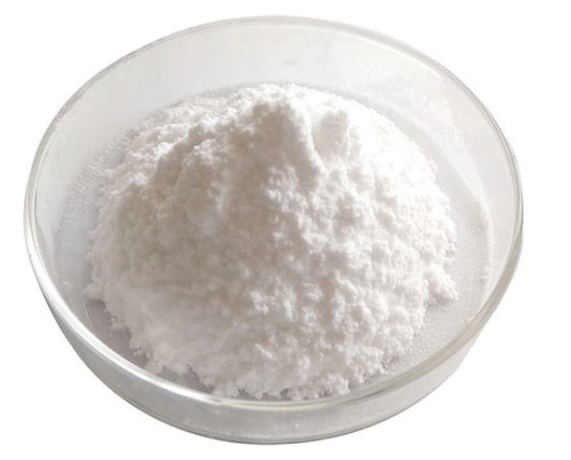
HEPPSO CAS:68399-78-0 Manufacturer Price
Beta-hydroxy-4-(2-hydroxyethyl)-1-piperazinepropanesulfonic acid, also known as HEPPS, is a chemical compound primarily used as a buffering agent in biological and biochemical research. It is commonly utilized in laboratory settings to maintain a stable pH level during experiments involving sensitive biological samples. HEPPS is a zwitterionic compound, meaning it carries both positive and negative charges, which allows it to effectively regulate pH in a wide range of solutions. Its solubility in water and ability to maintain pH stability over a range of temperatures make it a popular choice for various research applications.