-
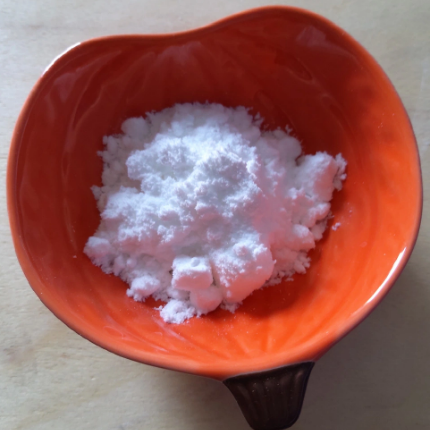
D-Glucuronic acid CAS:6556-12-3
D-Glucuronic acid is a sugar acid derived from glucose, and it is naturally found in the human body and various plant and animal tissues. It plays a crucial role in detoxification, binding to and eliminating toxins and drugs from the body. Additionally, D-Glucuronic acid is involved in the synthesis and metabolism of various molecules, including glycosaminoglycans, which are important for connective tissues. It has antioxidant properties and potential health benefits, and it is used in dietary supplements and skincare products.
-
3-HYDROXY-4-(5-NITROPYRIDYLAZO)PROPYLANI CAS:143205-66-7
3-HYDROXY-4-(5-NITROPYRIDYLAZO)PROPANAL, also known as NBD-aldehyde, is a compound commonly used in biochemistry and molecular biology research.
-

PIPES sesquisodium salt CAS:100037-69-2
PIPES sesquisodium salt is a chemical compound commonly known as PIPES. It is a buffering agent and biological buffer used in various scientific research applications. PIPES is particularly useful for maintaining a stable pH in the physiological range of 6.1-7.5. It is stable over a wide range of temperatures, making it suitable for use in experiments performed under varying conditions. PIPES is commonly employed in cell culture, protein and enzyme studies, gel electrophoresis, and various molecular biology techniques. It is important to consult proper references or experts for guidance on the specific concentration and conditions of use for PIPES in your research.
-
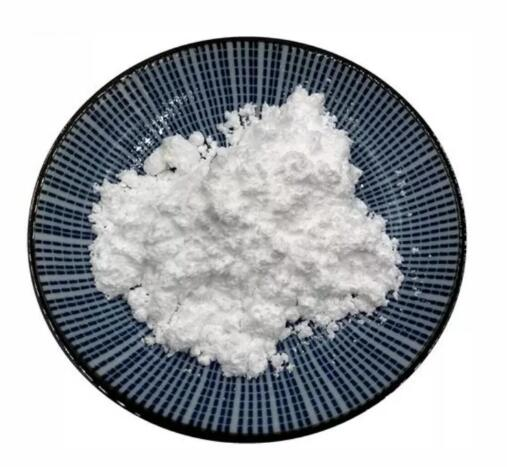
4-Nitrophenyl beta-D-galactopyranoside CAS:200422-18-0
4-Nitrophenyl beta-D-galactopyranoside (ONPG) is a chemical compound commonly used in enzymatic assays to detect the presence and activity of the enzyme β-galactosidase. It is a substrate for β-galactosidase, which cleaves the molecule to release a yellow product, o-nitrophenol. The color change can be measured spectrophotometrically, allowing for the quantitative determination of the enzyme’s activity. This compound is widely used in molecular biology and biochemistry research to quantify β-galactosidase activity and to study gene expression and regulation.
-
![3-[(3-Cholanidopropyl)dimethylammonio]-1-propanesulfonate CAS:75621-03-3](https://cdn.globalso.com/xindaobiotech/图片59.png)
3-[(3-Cholanidopropyl)dimethylammonio]-1-propanesulfonate CAS:75621-03-3
CHAPS (3-[(3-cholamidopropyl)dimethylammonio]-1-propanesulfonate) is a commonly used detergent in biochemistry and molecular biology. It is a zwitterionic detergent, meaning it has both a positively and negatively charged group.
CHAPS is known for its ability to solubilize and stabilize membrane proteins, making it useful for various applications such as protein extraction, purification, and characterization. It disrupts lipid-protein interactions, allowing membrane proteins to be extracted in their native state.
Unlike other detergents, CHAPS is relatively mild and does not denature most proteins, making it an excellent choice for maintaining protein structure and function during experiments. It can also help to prevent protein aggregation.
CHAPS is commonly used in techniques like SDS-PAGE (sodium dodecyl sulfate polyacrylamide gel electrophoresis), isoelectric focusing, and Western blotting. It is also frequently used in studies involving membrane-bound enzymes, signal transduction, and protein-lipid interactions.
-
HEPBS CAS:161308-36-7 Manufacturer Price
N-(2-Hydroxyethyl)piperazine-N’-(4-butanesulfonic acid), commonly referred to as HEPBS, is a chemical compound used as a buffering agent and pH regulator in biological and biochemical research. It has a wide range of applications, including cell culture, enzyme studies, electrophoresis, biochemical assays, and drug formulation. HEPBS helps maintain a stable pH range, particularly in the physiological range, and is known for its good buffering capacity and compatibility with various experimental techniques.
-
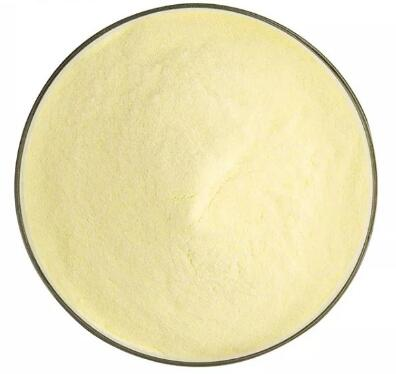
2-NITROPHENYL-BETA-D-GLUCOPYRANOSIDE CAS:2816-24-2
2-Nitrophenyl-beta-D-glucopyranoside is a chemical compound consisting of a glucopyranoside molecule attached to a nitrophenyl group. It is commonly used as a substrate in enzymatic assays to detect and quantify the activity of enzymes such as beta-glucosidase. The nitrophenyl group can be cleaved by the enzyme, resulting in the release of a yellow-colored product that can be measured spectrophotometrically. This compound is particularly useful in studying enzyme kinetics and high-throughput screening of enzyme inhibitors or activators. It is also employed in biochemical research for the investigation of carbohydrate metabolism and as a glycosidic-linkage-specific substrate.
-
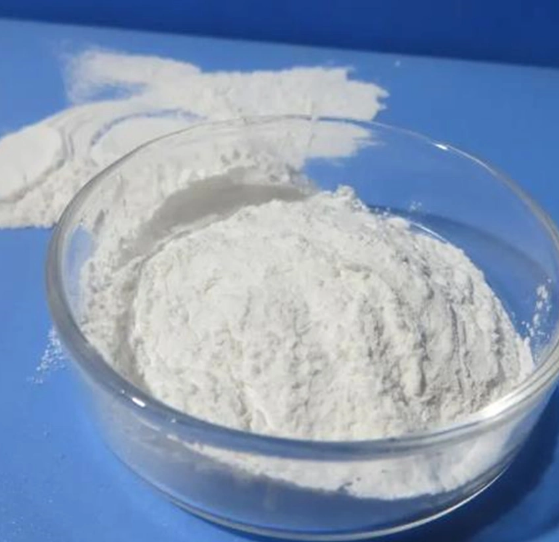
MOPS CAS:1132-61-2 Manufacturer Price
MOPS, or 3-(N-morpholino)propanesulfonic acid, is a zwitterionic buffering agent commonly used in biological and biochemical research. It is primarily employed to maintain a stable pH in the range of 6.5 to 7.9. MOPS is widely used in cell culture, molecular biology techniques, protein analysis, enzyme reactions, and electrophoresis. Its main function is to regulate and stabilize the pH of experimental solutions, ensuring optimal conditions for various biological processes. MOPS is a valuable tool in scientific research for maintaining a consistent and optimal pH environment in a range of applications.
-
ADA DISODIUM SALT CAS:41689-31-0
N-(2-Acetamido)iminodiacetic acid disodium salt is a chemical compound commonly used as a chelating agent. It forms stable complexes with metal ions, particularly calcium, copper, and zinc, preventing undesired interactions and enhancing the stability of various products and formulations. It finds applications in water treatment, personal care products, medical imaging, analytical chemistry, and agriculture.
-

FLUORESCEIN MONO-BETA-D- GALACTOPYRANOSIDE CAS:102286-67-9
Fluorescein mono-beta-D-galactopyranoside, also known as FMG, is a fluorescent compound that is commonly used as a substrate in various biochemical and cell biology experiments. It is derived from methyl-beta-D-galactopyranoside by conjugating it with a fluorescein molecule.FMG is widely used to study the activity of beta-galactosidase, an enzyme that catalyzes the hydrolysis of lactose into galactose and glucose. By using FMG as a substrate, researchers can monitor the enzymatic activity of beta-galactosidase through the measurement of fluorescence emission. The hydrolysis of FMG by beta-galactosidase leads to the release of fluorescein, resulting in an increase in fluorescent signal that can be quantified.This compound is also utilized to investigate carbohydrate recognition and interactions. FMG can be used as a molecular probe to study the binding affinity of lectins (proteins that specifically bind to carbohydrates) to galactose-containing carbohydrates. The binding of FMG-lectin complexes can be detected and quantified based on changes in fluorescence emission.Overall, FMG is a versatile tool in studying enzyme activity and carbohydrate recognition, offering a convenient and sensitive method to measure fluorescence and evaluate these biological processes.
-
CABS CAS:161308-34-5 Manufacturer Price
It is commonly used as a buffering agent in various biological and biochemical applications.
CABS is known for its ability to maintain a stable pH level in solutions, making it an ideal choice for buffering systems in laboratory experiments and medical research. Its buffering capacity is particularly effective within the pH range of 8.6 to 10. Medical and diagnostic procedures, such as enzyme activities, electrophoresis, and immunohistochemistry, often utilize CABS as a buffering agent to maintain pH stability and improve reaction efficiency.
It is important to note that CABS can be sensitive to temperature changes and may not be suitable for some applications requiring extreme temperature ranges. Additionally, appropriate safety measures should be followed when handling CABS, as it can be irritating to the skin, eyes, and respiratory system.
-
![Sodium 2-[(2-aminoethyl)amino]ethanesulphonate CAS:34730-59-1](https://cdn.globalso.com/xindaobiotech/图片943.png)
Sodium 2-[(2-aminoethyl)amino]ethanesulphonate CAS:34730-59-1
Sodium 2-[(2-aminoethyl)amino]ethanesulphonate is a chemical compound commonly known as taurine sodium. It is an organic compound consisting of a taurine molecule attached to a sodium atom. Taurine itself is a naturally occurring amino acid-like substance found in various animal tissues.
Taurine sodium is widely used as a dietary supplement and ingredient in functional beverages and energy drinks. It is known for its potential health benefits, such as supporting cardiovascular health, regulating electrolyte balance, and promoting cognitive function.
In the body, taurine sodium has roles in bile acid formation, osmoregulation, antioxidant activity, and modulation of neurotransmitter function. It is also believed to have anti-inflammatory properties and may help in the prevention of certain eye disorders.