-

Heparin lithium salt CAS:9045-22-1
Heparin lithium is a chemical substance with a white to almost white powder appearance.
-

5-Bromo-6-Chloro-3-Indolyl Acetate CAS:102185-48-8
5-Bromo-6-chloro-3-indoxyl-3-acetate is a chemical compound that is commonly used as a substrate in enzymatic assays. It is often employed to detect the presence and activity of certain enzymes, such as esterases and hydrolases.
When added to a reaction mixture containing the specific enzyme, this compound undergoes enzymatic hydrolysis. As a result, it produces a colored or fluorescent product, allowing researchers to visualize and measure the activity of the enzyme.
This substrate is widely used in many different fields, including molecular biology, biochemistry, and clinical diagnostics. Its versatility and sensitivity make it a valuable tool for studying enzyme kinetics, activity, and inhibition.
-
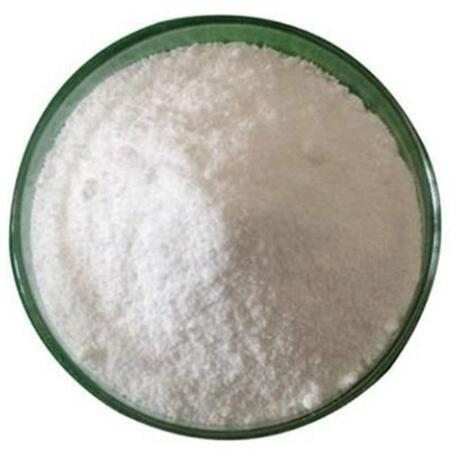
b-D-Glucopyranoside,2-chloro-4-nitrophenyl 2-(acetylamino)-2-deoxy- CAS:103614-82-0
2-chloro-4-nitrophenyl-N-acetylglucosaminide is a chemical compound that belongs to the family of N-acetylglucosamine derivatives. It is commonly used as a substrate in enzymatic assays to measure the activity of certain enzymes, such as glycosidases and glycosyltransferases.
The compound has a molecular structure consisting of a N-acetylglucosamine moiety, which is a derivative of glucose, and a 2-chloro-4-nitrophenyl group attached to the sugar molecule. The presence of the 2-chloro-4-nitrophenyl group makes this compound highly sensitive to enzymatic cleavage by glycosidases, resulting in the release of the 2-chloro-4-nitrophenol molecule. The amount of released 2-chloro-4-nitrophenol can be quantified through spectrophotometric measurements, allowing for the determination of enzyme activity.
.
-
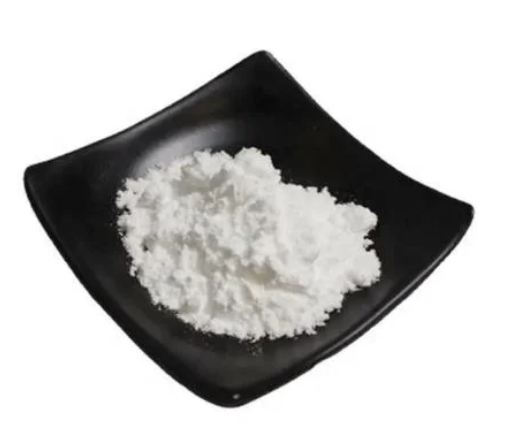
3-(1-pyridinio)-1-propanesulfonate CAS:15471-17-7
3-(1-pyridinio)-1-propanesulfonate (also known as TPPS or TPPS3) is a sulfonated derivative of pyridine. It is a highly water-soluble compound that is commonly used as a fluorescent probe and photosensitizer in various applications, particularly in the field of photodynamic therapy (PDT).
-

2-NAPHTHYL-BETA-D-GALACTOPYRANOSIDE CAS:312693-81-5
2-NAPHTHYL-BETA-D-GALACTOPYRANOSIDE is a chemical compound commonly used in biochemical research and analysis. It is a derivative of galactose, a type of sugar. The compound is often used as a substrate for detecting the activity of beta-galactosidase, an enzyme present in many organisms, including bacteria.When beta-galactosidase is present, it cleaves 2-NAPHTHYL-BETA-D-GALACTOPYRANOSIDE into naphthol and galactose. The resulting naphthol molecule can be easily detected by its absorption of ultraviolet light, allowing scientists to measure the activity of beta-galactosidase. This assay is commonly used in molecular biology and genetics research, for applications such as studying gene regulation, protein expression, and cell viability.
-
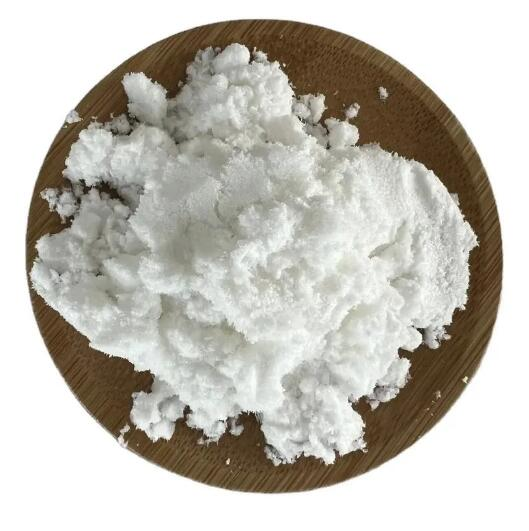
TOPS CAS:40567-80-4 Manufacturer Price
Sodium 3-(N-ethyl-3-methylanilino)propanesulfonate is a chemical compound with a complex molecular structure. It is commonly used in various scientific and research applications. The compound is a sulfonate derivative, known for its solubility in water and other polar solvents. It can be used as a reagent or additive in chemical reactions and processes. Due to its unique structure and properties, Sodium 3-(N-ethyl-3-methylanilino)propanesulfonate is often utilized in the development of pharmaceuticals, dyes, and other organic compounds.
-
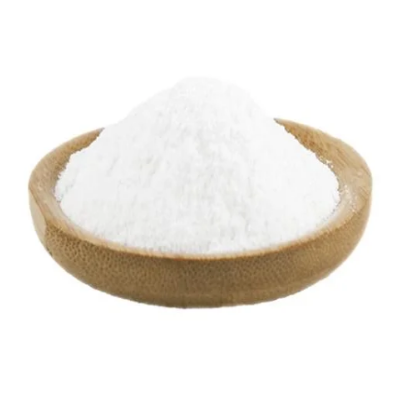
CHES Na CAS:103-47-9 Manufacturer Price
2-(Cyclohexylamino)ethanesulfonic acid is a chemical compound with the molecular formula C10H21NO3S. It is also known by its abbreviation CHES. CHES is a sulfonic acid derivative that contains both an amino group and a sulfonic acid group in its structure.
CHES is commonly used as a buffering agent in biochemical and biological research. It is pH-stable and maintains a consistent pH environment, particularly in laboratory settings involving enzymatic reactions or protein studies. CHES has a pKa of 9.3, making it an effective buffer around pH 9.
Its unique chemical structure and properties make CHES useful in various applications, such as in the preparation of buffer solutions for electrophoresis, enzyme assays, and cell culture media. It is often preferred for applications that require a pH range of 8.5 to 10.
-
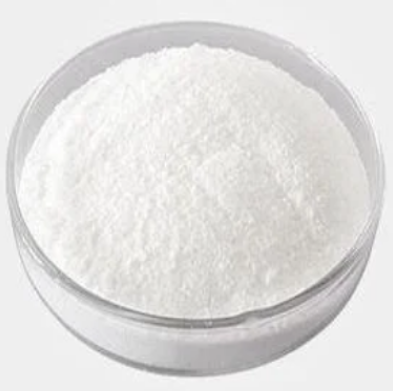
2,3,4,6-Tetra-O-benzyl-D-galactopyranose CAS:53081-25-7
2,3,4,6-Tetra-O-benzyl-D-galactopyranose is a compound commonly used in organic synthesis, specifically in the field of carbohydrate chemistry. It serves as a protecting group for the hydroxyl groups of galactose, which prevents unwanted reactions during chemical transformations. The compound consists of a galactose molecule with four benzyl groups attached to the hydroxyl groups at positions 2, 3, 4, and 6 of the galactose ring.
The presence of benzyl groups shields the hydroxyl groups, making them unreactive, while preserving the reactivity of other functional groups in the molecule. This enables selective modifications of galactose or further transformations to occur without affecting the protected hydroxyl groups.
2,3,4,6-Tetra-O-benzyl-D-galactopyranose is commonly used as a starting material for the synthesis of complex carbohydrates, glycoconjugates, or other compounds containing galactose residues. It is particularly useful in glycosylation reactions, where it acts as an effective glycosyl donor, facilitating the attachment of galactose to acceptor molecules.
-

disodium 2-hydroxyethyliminodi CAS:135-37-5
Disodium 2-hydroxyethyliminodi is a chemical compound that belongs to the class of organic salts. It is commonly used as a buffering agent and pH adjuster in various laboratory and industrial applications. This compound helps maintain a stable pH environment and is often used in biotechnology, pharmaceutical, and biochemical research. Additionally, it may have other applications such as in food and beverage processing, cosmetics, and personal care products. Overall, disodium 2-hydroxyethyliminodi is a versatile compound with important uses in maintaining pH stability in various industries.
-

MOPS sodium salt CAS:71119-22-7
MOPS sodium salt, also known as3-(N-morpholino)propanesulfonic acid sodium salt, is a commonly used buffering agent in biochemical and molecular biology research. It is used to maintain a stable pH range and create ideal conditions for enzymatic reactions, protein stability, and cell culture growth. MOPS sodium salt is particularly effective in providing buffering capacity in the pH range of approximately 6.5 to 7.9. It is widely utilized in protein purification processes, gel electrophoresis, enzyme studies, and cell culture experiments.
-
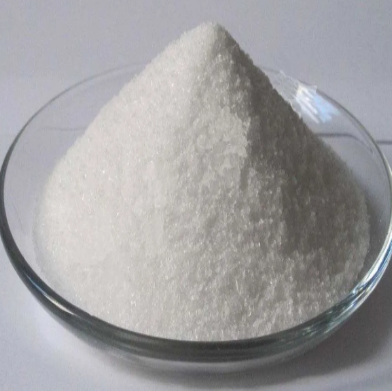
D-(+)-Cellobiose CAS:528-50-7
D-(+)-Cellobiose is a disaccharide made up of two glucose units connected by a beta-1,4-glycosidic bond. It is commonly found in cellulose, the main component of plant cell walls. Cellobiose is a colorless, crystalline solid that is soluble in water. It is not digested by most organisms, but can be hydrolyzed by certain enzymes, such as cellobiases, to yield glucose. Cellobiose is an important intermediate in the microbial degradation of cellulose and is used in various biotechnological applications, including the production of biofuels.
-
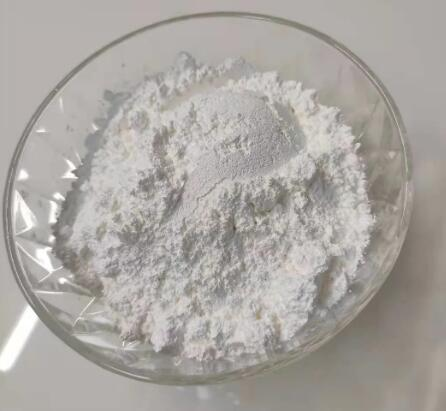
2-Chloroethanesulfonic acid CAS:15484-44-3
2-Chloroethanesulfonic acid, also known as chloroethanesulfonic acid or CES, is an organic compound with the chemical formula C2H5ClSO3H. It is a clear, colorless liquid that is highly soluble in water and polar organic solvents.
CES is widely used as a versatile chemical intermediate in various industries. It is primarily employed in the synthesis of pharmaceuticals, agrochemicals, and organic dyes. Its sulfonic acid group makes it a useful reagent for introducing sulfonic acid functionality into organic molecules, which can enhance their solubility, stability, or bioactivity.
Due to its strong acidity, CES can also be utilized as a catalyst or acidic reagent in organic reactions. Its acidic nature allows it to promote reactions such as esterifications, acylations, and sulfonations. Additionally, it can serve as a pH adjuster, buffering agent, or corrosion inhibitor in industrial processes.

