-
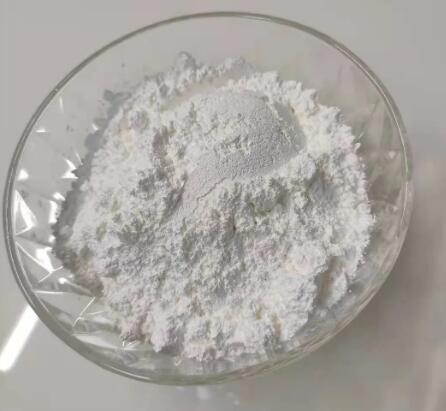
2,3,5,6-Di-O-isopropylidene-α-D-mannofuranose CAS:14131-84-1
2,3,5,6-Di-O-isopropylidene-α-D-mannofuranose is a compound used in organic synthesis as a protecting group for the hydroxyl groups of mannose. By attaching isopropylidene groups to the hydroxyl groups at positions 2, 3, 5, and 6 of the mannose ring, this compound helps to prevent undesirable reactions from occurring at those sites. This protection allows for selective modifications at other functional groups in the molecule. It is commonly used in the synthesis of complex carbohydrates and glycoconjugates, which play important roles in biological processes and have applications in areas such as drug delivery, diagnostics, and immunology.
-

MES HEMISODIUM SALT CAS:117961-21-4
2-Amino-2-methyl-1,3-propanediol, also known as AMPD or α-methyl serinol, is a chemical compound with the molecular formula C4H11NO2. It is an amino alcohol that is commonly used as a chemical intermediate in the synthesis of pharmaceuticals and organic compounds. AMPD is known for its ability to act as a chiral auxiliary in asymmetric reactions, making it valuable in the production of enantiomerically pure compounds. Additionally, it has been utilized as an ingredient in personal care and cosmetic products for its moisturizing properties.
-

MOPS sodium salt CAS:71119-22-7
MOPS sodium salt, also known as3-(N-morpholino)propanesulfonic acid sodium salt, is a commonly used buffering agent in biochemical and molecular biology research. It is used to maintain a stable pH range and create ideal conditions for enzymatic reactions, protein stability, and cell culture growth. MOPS sodium salt is particularly effective in providing buffering capacity in the pH range of approximately 6.5 to 7.9. It is widely utilized in protein purification processes, gel electrophoresis, enzyme studies, and cell culture experiments.
-
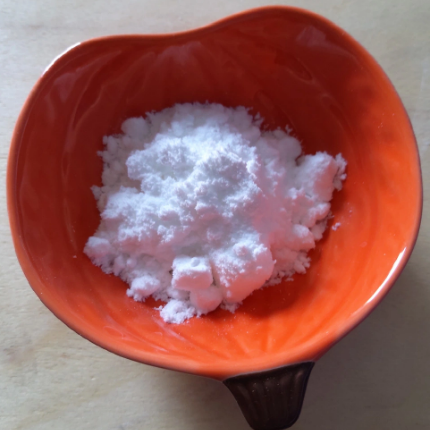
D-Glucuronic acid CAS:6556-12-3
D-Glucuronic acid is a sugar acid derived from glucose, and it is naturally found in the human body and various plant and animal tissues. It plays a crucial role in detoxification, binding to and eliminating toxins and drugs from the body. Additionally, D-Glucuronic acid is involved in the synthesis and metabolism of various molecules, including glycosaminoglycans, which are important for connective tissues. It has antioxidant properties and potential health benefits, and it is used in dietary supplements and skincare products.
-
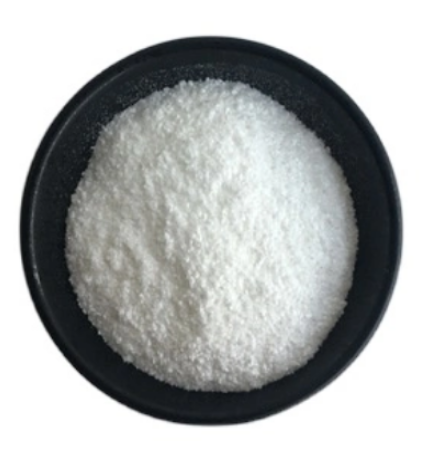
3-HYDROXY-4-(5-NITROPYRIDYLAZO)PROPYLANI CAS:143205-66-7
3-HYDROXY-4-(5-NITROPYRIDYLAZO)PROPANAL, also known as NBD-aldehyde, is a compound commonly used in biochemistry and molecular biology research.
-
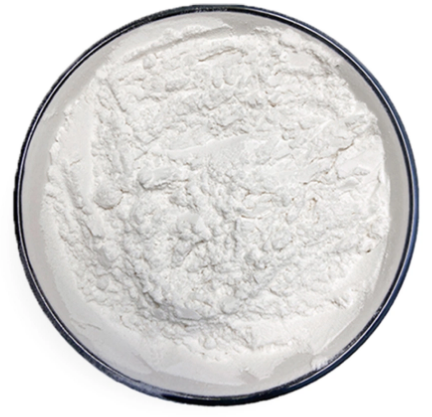
PIPES monosodium salt CAS:10010-67-0
Sodium hydrogen piperazine-1,4-diethanesulphonate, also known as HEPES-Na, is a commonly used buffering agent in biological and biochemical research. It helps maintain a stable pH range of 6.8 to 8.2 in various applications, including cell culture, enzyme assays, and molecular biology techniques. HEPES-Na is compatible with different biological systems and is stable over a wide temperature range.
-
4-Nitrophenyl beta-D-galactopyranoside CAS:200422-18-0
4-Nitrophenyl beta-D-galactopyranoside (ONPG) is a chemical compound commonly used in enzymatic assays to detect the presence and activity of the enzyme β-galactosidase. It is a substrate for β-galactosidase, which cleaves the molecule to release a yellow product, o-nitrophenol. The color change can be measured spectrophotometrically, allowing for the quantitative determination of the enzyme’s activity. This compound is widely used in molecular biology and biochemistry research to quantify β-galactosidase activity and to study gene expression and regulation.
-
3-(cyclohexylamino)-2-hydroxy-1-propanesuhicic acid CAS:73463-39-5
3-(cyclohexylamino)-2-hydroxy-1-propanesuhicic acid is a chemical compound with the molecular formula C12H23NO3S. It belongs to a family of compounds known as sulfonic acids. This particular compound contains a cyclohexylamino group, a hydroxy group, and a propanesuhicic acid moiety. It is used in various industrial applications, including as a building block in organic synthesis and as a reagent in pharmaceutical research. The compound’s unique structure and properties make it suitable for specific chemical reactions and scientific investigations.
-
HEIDA CAS:93-62-9 Manufacturer Price
N-(2-Hydroxyethyl)iminodiacetic acid (HEIDA) is a chemical compound with multiple applications in various fields. It is a chelating agent, meaning it has the ability to bind to metal ions and form stable complexes.
In analytical chemistry, HEIDA is often used as a complexing agent in titrations and analytical separations. It can be employed to sequester metal ions, such as calcium, magnesium, and iron, and thereby prevent them from interfering with the accuracy of analytical measurements.
HEIDA also finds application in the pharmaceutical industry, particularly in the formulation of certain medications. It can be used as a stabilizer and solubilizing agent for poorly soluble drugs, helping to improve their bioavailability and efficacy.
Another area of use for HEIDA is in the field of wastewater treatment and environmental remediation. It can be employed as a sequestering agent to remove heavy metal contaminants from water or soil, thereby reducing their toxicity and promoting remediation efforts.
Additionally, HEIDA has been utilized in the synthesis of coordination compounds and metal-organic frameworks (MOFs), which have various applications in catalysis, gas storage, and sensing.
-
2-NITROPHENYL-BETA-D-GLUCOPYRANOSIDE CAS:2816-24-2
2-Nitrophenyl-beta-D-glucopyranoside is a chemical compound consisting of a glucopyranoside molecule attached to a nitrophenyl group. It is commonly used as a substrate in enzymatic assays to detect and quantify the activity of enzymes such as beta-glucosidase. The nitrophenyl group can be cleaved by the enzyme, resulting in the release of a yellow-colored product that can be measured spectrophotometrically. This compound is particularly useful in studying enzyme kinetics and high-throughput screening of enzyme inhibitors or activators. It is also employed in biochemical research for the investigation of carbohydrate metabolism and as a glycosidic-linkage-specific substrate.
-
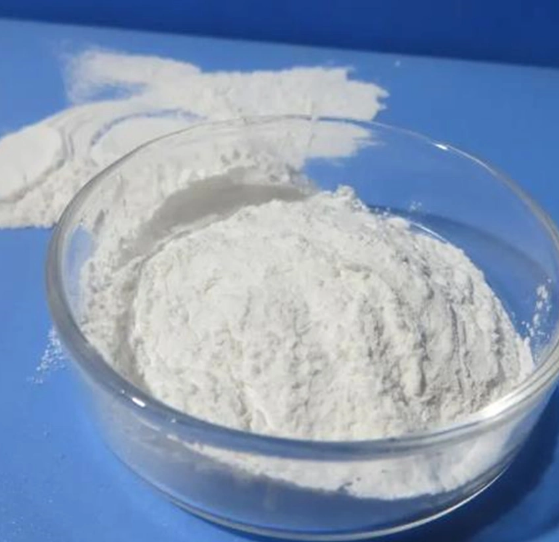
MOPS CAS:1132-61-2 Manufacturer Price
MOPS, or 3-(N-morpholino)propanesulfonic acid, is a zwitterionic buffering agent commonly used in biological and biochemical research. It is primarily employed to maintain a stable pH in the range of 6.5 to 7.9. MOPS is widely used in cell culture, molecular biology techniques, protein analysis, enzyme reactions, and electrophoresis. Its main function is to regulate and stabilize the pH of experimental solutions, ensuring optimal conditions for various biological processes. MOPS is a valuable tool in scientific research for maintaining a consistent and optimal pH environment in a range of applications.
-

Tris(hydroxymethyl)nitromethane CAS:126-11-4
Tris(hydroxymethyl)nitromethane, commonly referred to as Tris or THN, is a chemical compound with the molecular formula C4H11NO4. It is a pale yellow crystalline solid that is highly soluble in water. Tris is widely used as a buffering agent in biochemical and molecular biology applications. It helps maintain a stable pH range in solutions, making it invaluable for various techniques such as DNA and RNA isolation, PCR, gel electrophoresis, protein purification, cell culture, protein chemistry, enzymology, and biochemical assays. Tris’s buffering properties allow for optimal conditions in these experiments, ensuring accurate and reliable results.