-
Methyl1,2,3,4-tetra-O-acetyl-B-D-glucuronate CAS:7355-18-2
Methyl 1,2,3,4-tetra-O-acetyl-β-D-glucuronate is a chemical compound derived from β-D-glucuronic acid. It is commonly used as a building block in carbohydrate chemistry and as a protective group for hydroxyl groups. It finds applications in the synthesis of drugs and biologically active molecules containing glucuronic acid moieties.
-
popso disodium CAS:108321-07-9
Piperazine-N,N’-bis(2-hydroxypropanesulphonic acid) disodium salt is a chemical compound composed of piperazine, bis(2-hydroxypropanesulphonic acid) groups, and two sodium ions. It is commonly used as a buffering agent and pH regulator in various industrial and laboratory applications. The compound helps maintain a specific pH in solutions, making it useful in processes such as protein purification, molecular biology, and pharmaceutical research. Additionally, it can also act as a chelating agent for metal ions and stabilize enzyme activity in certain biochemical reactions.
-
3-Morpholino-2-hydroxypropanesulfonic acid sodium salt CAS:79803-73-9
3-Morpholino-2-hydroxypropanesulfonic acid sodium salt, also known as MES sodium salt, is a chemical compound commonly used as a buffering agent in biological and biochemical research.
MES is a zwitterionic buffer that acts as a pH regulator, keeping the pH stable in various experimental systems. It is highly soluble in water and has a pKa value of approximately 6.15, making it suitable for buffering in the pH range of 5.5 to 7.1.
MES sodium salt is frequently used in molecular biology techniques such as DNA and RNA isolation, enzyme assays, and protein purification. It is also used in cell culture media to maintain a stable pH environment for cell growth and proliferation.
One notable feature of MES is its stability under physiological conditions and resistance to changes in temperature. This makes it suitable for use in experiments where temperature fluctuations are expected.
Researchers often prefer MES sodium salt as a buffer due to its minimal interference with enzymatic reactions and high buffer capacity within its optimal pH range.
-

Phenyl2,3,4,6-tetra-O-acetyl-1-thio-β-D-galactopyranoside CAS:24404-53-3
Phenyl2,3,4,6-tetra-O-acetyl-1-thio-β-D-galactopyranoside is a compound that is commonly used in biochemical research. It is a modified form of the sugar molecule galactose, and has several applications in enzyme assays, gene expression analysis, screening systems, and protein purification. Its structure includes acetyl groups and a thio group, which help in the detection and manipulation of specific enzymatic activities. Overall, this compound is important in studying the activity and function of the enzyme β-galactosidase, as well as in various molecular biology and biochemistry experiments.
-
DAOS CAS:83777-30-4 Manufacturer Price
N-Ethyl-N-(2-hydroxy-3-sulfopropyl)-3,5-dimethoxyaniline sodium salt is a chemical compound that belongs to the class of sulfonated anilines. It is a sodium salt form, meaning it is in the form of a crystalline solid that is soluble in water. This compound has a molecular formula of C13H21NO6SNa.
It possesses both alkyl and sulfo groups, which make it useful in various applications. It is commonly utilized as a dye intermediate in the production of organic dyes, especially those used in the textile industry. This compound imparts color and improves the stability of dyes, enhancing their performance and durability.
Furthermore, it can also serve as a surfactant due to its hydrophilic sulfonate group and hydrophobic alkyl group. This property allows it to reduce the surface tension of liquids, making it valuable in detergent formulations, emulsion stabilizers, and other industrial processes that involve the dispersion of substances.
-
![Bis[2-Hydroxyethyl] imino Tris-(Hydroxymethyl)-methane CAS:6976-37-0](https://cdn.globalso.com/xindaobiotech/图片169.png)
Bis[2-Hydroxyethyl] imino Tris-(Hydroxymethyl)-methane CAS:6976-37-0
Bis[2-Hydroxyethyl] imino Tris-(Hydroxymethyl)-methane, commonly known as bicine, is a chemical compound that possesses buffering properties. It is widely used in various scientific and industrial applications. Bicine acts as a pH regulator, helping to maintain a stable pH in solutions and providing optimal conditions for biochemical reactions. It finds applications in enzyme assays, cell culture media, protein purification processes, electrophoresis, and pharmaceutical formulations.
-
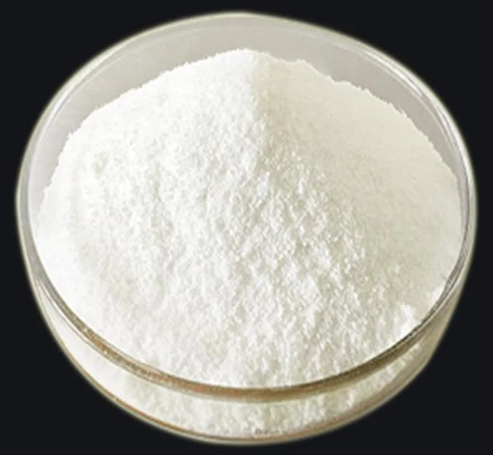
4-Nitrophenyl-alpha-D-glucopyranoside CAS:3767-28-0
4-Nitrophenyl-alpha-D-glucopyranoside is a chemical compound that is commonly used in biochemical experiments and assays. It is a substrate that can be cleaved by certain enzymes, such as glycosidases, to release a detectable product. Its structure consists of a glucose molecule (alpha-D-glucose) linked to a 4-nitrophenyl group. This compound is often used to study and measure the activity of enzymes involved in carbohydrate metabolism and glycosylation processes.
-

Tricine CAS:5704-04-1 Manufacturer Price
Tricine is a zwitterionic organic compound with the chemical formula C6H13NO5S. It is widely used as a buffering agent, primarily in biochemical and biological applications. Tricine’s distinguishing feature is its unique buffering capacity at a slightly acidic pH range, making it particularly useful in experiments that require a stable and precise pH environment. It is commonly used in protein electrophoresis, molecular biology techniques, enzymatic assays, and cell culture media. Tricine helps maintain optimal conditions for various biological processes, ensuring accurate and reliable results in research and analysis.
-
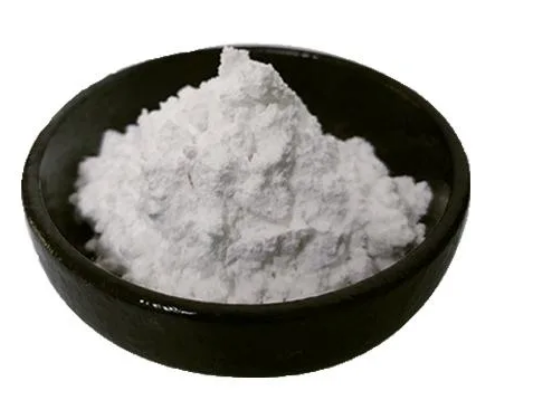
Egtazic acid CAS:67-42-5 Manufacturer Price
Ethylenebis(oxyethylenenitrilo)tetraacetic acid (EGTA) is a chelating agent commonly used in biological and chemical research. It is a synthetic compound that is derived from ethylenediamine and ethylene glycol. EGTA has a high affinity for divalent metal ions, particularly calcium, and is widely used to chelate and sequester these ions in various applications such as in cell culture, enzyme assays, and molecular biology techniques. By binding to calcium and other metal ions, EGTA helps to regulate their concentrations, thus influencing various biochemical processes.
-
METHYL-BETA-D-GALACTOPYRANOSIDE CAS:1824-94-8
Methyl-beta-D-galactopyranoside is a chemical compound typically derived from galactose. It is a methylated form of beta-D-galactose, where a methyl group replaces one of the hydroxyl groups of the sugar molecule. This modification alters the properties of galactose, making it more stable and suitable for various applications in biochemistry and molecular biology. Methyl-beta-D-galactopyranoside is commonly used as a substrate in enzyme assays, particularly in studies involving the activity of beta-galactosidase. It is also utilized as a molecular probe to study carbohydrate recognition and interactions, especially in lectin-mediated processes.
-
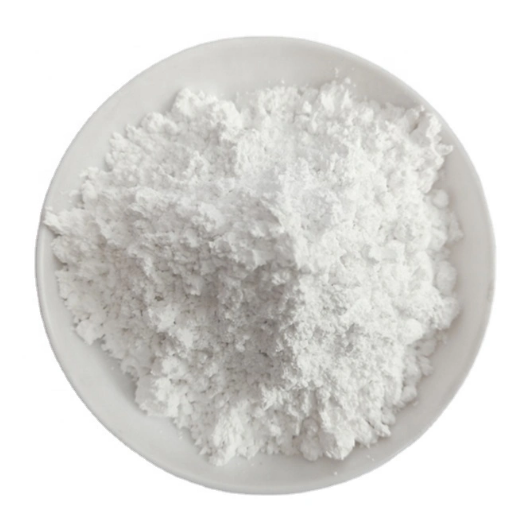
HDAOS CAS:82692-88-4 Manufacturer Price
HDAOS (N-(2-Hydroxy-3-sulfopropyl)-3,5-dimethoxyaniline sodium salt) is a chemical compound commonly used in various fields, including organic synthesis, pharmaceuticals, and material science. It consists of a phenyl ring substituted with a hydroxy group, a sulfonic group, and two methoxy groups. HDAOS is typically found in the form of a sodium salt, indicating the presence of a sodium cation associated with the sulfonic group.
-
4-(2-hydroxyethyl)piperazine-1-ethane-sulfon.ac. hemiso.S CAS:103404-87-1
4-(2-Hydroxyethyl)piperazine-1-ethanesulfonic acid hemisodium salt, also known as CAPSO Na, is a chemical compound commonly used as a buffering agent in biochemical and molecular biology applications. It is a zwitterionic salt that helps regulate and maintain a stable pH within a specific range. CAPSO Na is compatible with biological systems, making it suitable for various enzymatic assays, protein purification techniques, and cell culture media. It is also used in electrophoresis techniques and is known for its pH stability and compatibility with enzymes.

