-
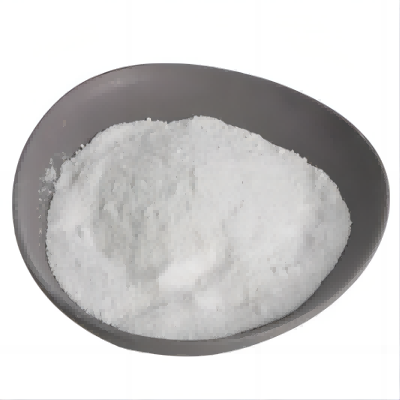
Acetyl-L-Carnitine HCL CAS:5080-50-2 Manufacturer Supplier
Acetyl-L-carnitine is an acetylated form of the essential mitochondrial metabolite L-carnitine that is catabolized by plasma esterases into carnitine. Acetyl-L-carnitine facilitates the uptake of acetyl-CoA into mitochondria during fatty acid oxidation, enhances acetylcholine production, and stimulates protein and membrane phospholipid synthesis. In vivo, acetyl-L-carnitine (100 mg/kg) increases mGlu2/3 receptor protein levels and mechanical pain thresholds in a mouse model of chronic inflammatory pain induced by complete Freund”s adjuvant.
-
L-Carnitine Orotate CAS:160468-17-7 Manufacturer Supplier
L-Carnitine orotate is a salt of L-Carnitine and Orotic acid. This is a more bioavailable form. L-Carnitine is an antioxidant amino acid naturally produced in the body to increase energy levels for the brain, muscle and heart. Health benefits include treatment of a variety of mental disorders and heart related problems including Alzheimer’s disease, high blood sugar, heart related chest pain, congestive heart failure (CHF), diabetes etc. Orotic acid also assist with liver detoxification.
-

Creatine Anhydrous CAS:57-00-1 Manufacturer Supplier
Creatine is a glycine derivative having methyl and amidino groups attached to the nitrogen. It has a role as a neuroprotective agent, a nutraceutical, a human metabolite, a mouse metabolite and a geroprotector. It is a member of guanidines and a glycine derivative. It is a conjugate acid of a creatinate. It is a tautomer of a creatine zwitterion.
-
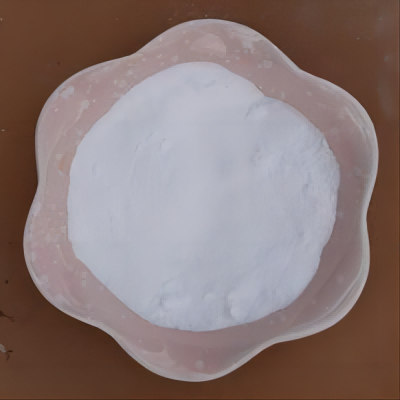
Potassium Pyruvate CAS:4151-33-1 Manufacturer Supplier
Potassium pyruvate is white crystalline powder, odorless and tasteless.For the determination of lactic acid, dehydrogenase substrate;It is also a good diet supplement for fitness and weight loss;Widely used in cosmetics.As raw materials for medicine and food additives.
-
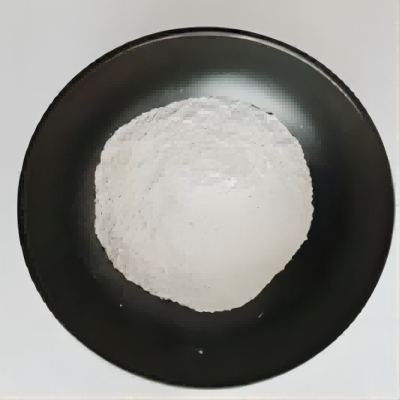
D-Glucosamine Sulfate 2KCl CAS:14999-43-0
D-Glucosamine sulfate is an amino sugar, a prominent precursor in the biochemical synthesis of glycosylated proteins and lipids, used as a dietary supplement. Glucosamine sulfate is also a natural constituent of glycosaminoglycans in the cartilage matrix and synovial fluid and, when applied topically, has pharmacological effects on osteoarthritic cartilage and chondrocytes. Glucosamine sulfate is a biological product.
-
Vitamin B12 (Cyanocobalamin) CAS:68-19-9 Manufacturer Supplier
Cyanocobalamin, also known as vitamin B12, belongs to a group of organic compounds important for the normal growth and development of human and animal bodies. It is used for the treatment of trigeminal neuralgia and multiple sclerosis.Vitamin B12 is water-soluble required for the normal development of red blood cells. Its deficiency causes pernicious anemia. It is stable in neutral conditions and is more stable for storage than for processing conditions. It is found in meat, fish, and milk.
-

Agmatine Sulfate CAS:2482-00-0 Manufacturer Supplier
Agmatine Sulfate is a polyamine derived from L-arginine decarboxylation and is a known putative endogenous neurotransmitter at imidazoline receptors. Agmatine sulfate displaces clonidine at α2-adrenergic and at imidazoline receptors and was recently shown to exert some neuroprotective effects. It blocks NMDA-receptor associated cation channels. Acts as a competitive inhibitor of nitric oxide synthase (NOS). It functions as neurotransmitter since it is stored in synaptic vesicles and is related from axon terminals by depolarization(1). Protects autistic behavior in rats and reverses depressive like behavior in mice.
-
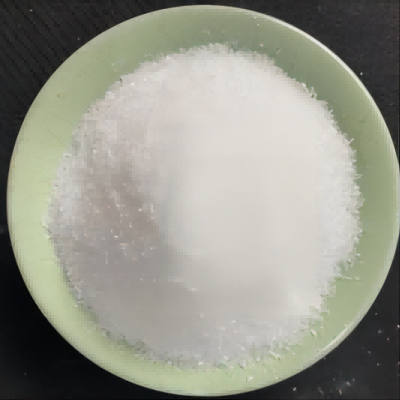
L-Carnitine-L-Tartrate CAS:36687-82-8 Manufacturer Supplier
L-carnitine is a naturally occurring amino acid derivative which is used as a weight loss supplement. L-carnitine-L-tartrate (LCLT) is the salt of L-carnitine with tartaric acid. LCLT has potential chemoprotective and antioxidant activities.LCLT is used in foods as a source of L-carnitine for particular nutritional uses.
-
Creatine Citrate CAS:177024-62-3 Manufacturer Supplier
Creatine citrate came out shortly after creatine monohydrate gained popularity. The creatine citrate product is created by binding creatine molecules and citric acid molecules. Citric acid is used for energy production, and the theory is that when taken with creatine, the combination would provide more muscle energy than creatine taken by itself. Although this sounds good, it has never been proven through research. Creatine citrate, when compared serving for serving, supplies, about 40% less creatine than the monohydrate form, but Creatine Citrate may dissolve more easily in water.
-
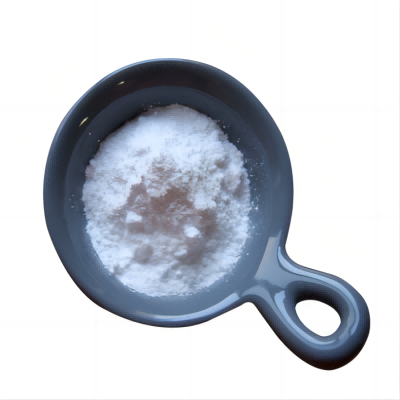
Pyridoxal 5 Phosphate Monohydrate CAS:41468-25-1 Manufacturer Supplier
Pyridoxal 5′-phosphate (PLP, vitamin B6) is an essential cofactor in all living systems. It is one of the most versatile cofactors and participates in transamination, decarboxylation, racemization, Cα-Cβ cleavage and α-β elimination reactions. PLP plays an important role in amino acid and carbohydrate metabolism and has been implicated in singlet oxygen resistance. PLP can be used as a dietary supplement in cases of vitamin B6 deficiency. Reduced levels of PLP in the brain can cause neurological dysfunction. By inhibiting AGE formation and working as a coenzyme in chemical reactions, pyridoxal 5’-phosphate can support healthy nerve, eye, cardiovascular and kidney function.
-

Dimethyl Sulfone (MSM) CAS:67-71-0 Manufacturer Supplier
Dimethyl Sulfone (MSM) is an organic sulfur-containing compound that occurs naturally in a variety of fruits, vegetables, grains, and animals including humans. a white, odorless, slightly bitter-tasting crystalline substance containing 34-percent elemental sulfur, MSM is a normal oxidative metabolite product of dimethyl sulfoxide (DMSO). Cow’s milk is the most abundant source of MSM, containing approximately 3.3 parts per million (ppm).
-
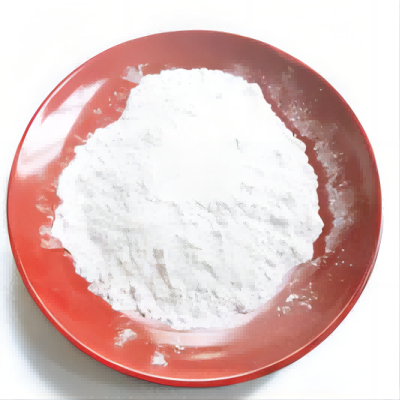
Beta-Guanidinopropionic Acid CAS:353-09-3 Manufacturer Supplier
Guanidinopropionic acid is a white crystal that dissolves in water and is a creatine analog. Guanidinopropionic acid is a kind of amino acid derivatives. It is an important chemical raw material and intermediate. It exists in the serum, brain, liver, kidney and urine of mammals. It can improve insulin sensitivity and selectively reduce Adipose tissue weight can treat and prevent metabolic disorders, hyperglycemia, hyperinsulinemia, insensitivity to blood insulin, hyperlipidemia, hyperamylase, obesity and other symptoms.