-
Stevioside CAS:471-80-7 Manufacturer Supplier
Steviol is an ent-kaurane diterpenoid that is 5beta,8alpha,9beta,10alpha-kaur-16-en-18-oic acid in which the hydrogen at position 13 has been replaced by a hydroxy group. It has a role as an antineoplastic agent. It is a tetracyclic diterpenoid, a tertiary allylic alcohol, a monocarboxylic acid, a bridged compound and an ent-kaurane diterpenoid. It is a conjugate acid of a steviol(1-).
-
Zinc Methionine CAS:56329-42-1 Manufacturer Supplier
Zinc Methionine is one of the essential elements of animal body, is a variety of metal enzymes and insulin composition. It is in the body with a wide range of physiological and biochemical function, and is called “life element”.
-
Calcium Propionate CAS:4075-81-4 Manufacturer Supplier
Calcium propionate, also commonly known as calcium propanoate, is a white powder that has a faint smell. The compound is stable at room temperature. It is hygroscopic and incompatible with strong oxidizing agents. Calcium Propionate as the newer food antifungal agent, is the calcium salt of propanoic acid which is a antifungal agent.
-
Potassium Chloride CAS:7447-40-7 Manufacturer Supplier
Potassium chloride (KCl) is a metal halide salt that is used in a variety of areas. The dominant application of potassium chloride is to serve as a fertilizer, which offers potassium to plants and prevents them from certain diseases. Besides, it can be applied in food and medical industry. As a treatment for hypokalemia, potassium chloride pills are taken to balance the blood’s potassium levels and prevent potassium deficiency in the blood. In food industry, it serves as a electrolyte replenisher and a good salt substitute for food, as well as a firming agent to give consistent texture to food, thus to strengthen its structure.
-
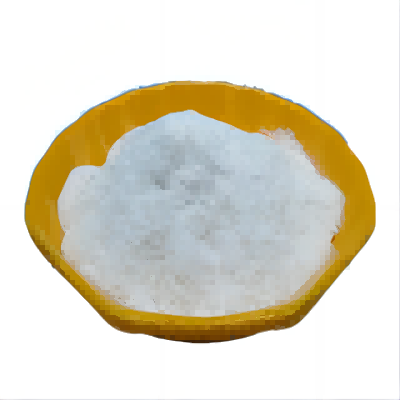
Fructo-oligosaccharide/FOS CAS:308066-66-2 Manufacturer Supplier
Fructooligosaccharides (FOS) are a form of water-soluble carbohydrate. Composed of short fructose chains, they cannot be digested by the human body. As well as being considered a prebiotic, FOS are commonly used as an alternative sweetener in certain foods and even used as a medicine.Fructooligosaccharides (FOS) are oligosaccharides that occur naturally in plants such as onion, chicory, garlic, asparagus, banana, artichoke, among many others. They are composed of linear chains of fructose units, linked by beta (2-1) bonds.
-
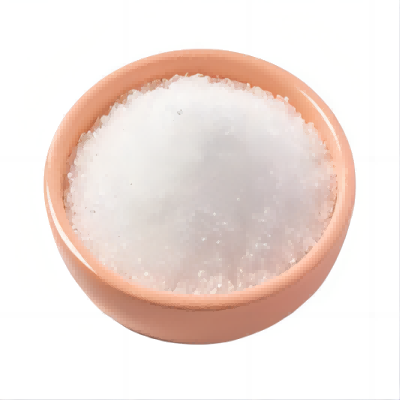
Potassium Citrate CAS:866-84-2 Manufacturer Supplier
Potassium citrate is a potassium salt of citric acid with the molecular formula C6H5K3O7. It is a white, slightly hygroscopic crystalline powder. It is odorless with a saline taste.As a food additive, potassium citrate is used to regulate acidity and is known as E number E332. Medicinally, it may be used to control kidney stones derived from either uric acid or cystine.
-
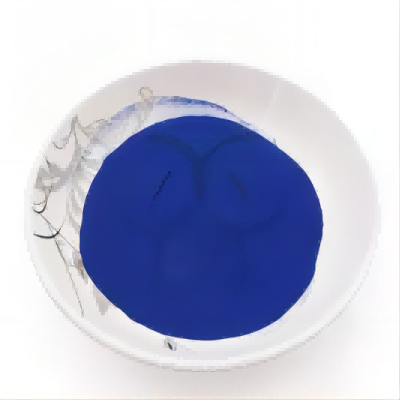
Vanadyl Acetylacetonate CAS:3153-26-2 Manufacturer Supplier
Vanadyl acetylacetonate can be used as a catalyst and a synthetic intermediate, as well as a paint drying agent and a pigment.Vanadium(IV) Oxide Acetylacetonate is used as a catalyst in organic chemistry and is also an intermediate in synthetic reactions, such as the synthesis of novel oxovanadium complexes that display antitumor activity.
-
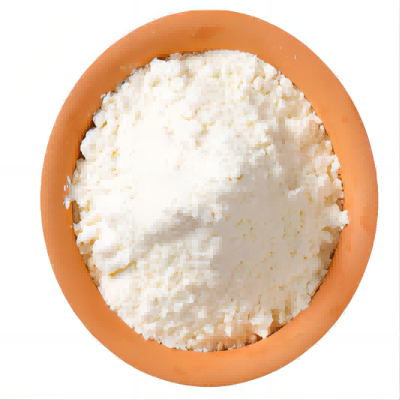
Naringin Dihydrochalcone/Naringin DC CAS:18916-17-1 Manufacturer Supplier
Naringin dihydrochalcone, sometimes abbreviated to naringin DC, is an artificial sweetener derived from naringin, a bitter compound found in citrus. Abbreviated to Naringin DC, Naring dihydrochalcone is a semisynthesis sweetener derived from naringin, a bitter substance from grapefruit. To minimizing the bitterness in orange juice, as a part US program, Naringin dihydrochalocne is found at that time. After treated with potassium hydroxide or another strong base, then it catalysically hydrogenated to the dihydrochalcone, the new sweetener may be 300-800 times sweeteness than sugar at threshold concentrations.
-
Sucralose CAS:56038-13-2 Manufacturer Supplier
Sucralose is the only non-caloric sweetener made from sugar. It is in fact the latest non nutritive sweetener to have been approved by US FDA and other regulatory bodies and have hit the markets .Sucralose is derived from sugar through a multi-step patented manufacturing process that selectively substitutes three atoms of chlorine for three hydroxyl groups on the sugar molecule. This change produces a sweetener that has no calories, yet is 600 times sweeter than sucrose, making it roughly twice as sweet as saccharin and four times as sweet as aspartame.
-
Anethole CAS:104-46-1 Manufacturer Supplier
Anethole is the main component of anise, star anise and fennel oils. It is used in the food and cosmetic industries, in bleaching colors photography and as an embedding material. Is mainly a cause of intolerance to toothpaste but may cause contact dermatitis in food handlers.
-
Ethylparaben CAS:120-47-8 Manufacturer Supplier
Ethylparaben is an ethyl ester resulting from the formal condensation of the carboxy group of 4-hydroxybenzoic acid with ethanol, It has a role as an antimicrobial food preservative, an antifungal agent, a plant metabolite and a phytoestrogen. It is a paraben and an ethyl ester.
-
Potassium DL-Aspartate CAS:923-09-1 Manufacturer Supplier
DL-aspartic acid (DL-Asp) has important uses in medicine, and can be used to synthesize DL-aspartic acid potassium magnesium salt (pulsatine) for the treatment of arrhythmia, tachycardia, heart failure, myocardial infarction, angina pectoris, hepatitis and liver cirrhosis and other diseases, and is an intermediate in the synthesis of polypeptides.