-
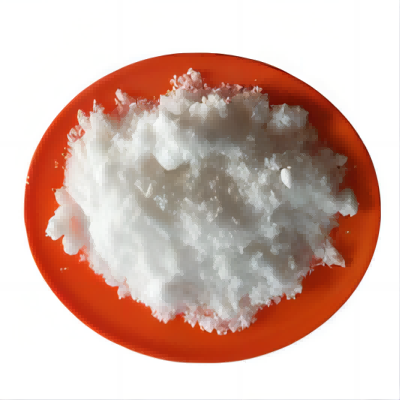
Polydextrose CAS:68424-04-4 Manufacturer Supplier
Polydextrose (PDX) is a randomly bonded polysaccharide produced by the bulk melt polycondensation of glucose and sorbitol in vacu with an average DP of 12, ranging from 2 to 120. The molecule contains all possible combinations of α- and β-linked 1→2, 1→3, 1→4, and 1→6 glycosidic linkages, though the 1→6 (both α and β) predominates. Due to its complex structure, PDX is not hydrolyzed by mammalian digestive enzymes in the small intestine, passing intact into the colon, in which it is gradually and partly fermented by the endogenous microbiota and the remainder, approximately 60%, is excreted in the feces. PDX is not sweet, has a neutral taste, and can be used as a low-calorie bulking agent in a wide range of foods, such as baked goods, confectionery, dairy products, and functional beverages as it is highly soluble in water and results in a non-viscous solution. Polydextrose content could greatly influenced Snack quality. An increase in polydextrose content in the blend from 0 to 10% augmented the product density and decreased its radial and axial expansion ratio and crispness. Moreover, small air cells and thick cell walls were observed in the texture of the product with high polydextrose content[1-2].
-

Tricalcium Phosphate/TCP CAS:12167-74-7 Manufacturer Supplier
Tribasic calcium phosphate is widely used as a capsule diluent and tablet filler/binder in either direct-compression or wet-granulation processes. The primary bonding mechanism in compaction is plastic deformation. As with dibasic calcium phosphate, a lubricant and a disintegrant should usually be incorporated in capsule or tablet formulations that include tribasic calcium phosphate. In some cases tribasic calcium phosphate has been used as a disintegrant.It is most widely used in vitamin and mineral preparations as a filler and as a binder.
-

Calcium L-Aspartate CAS:21059-46-1 Manufacturer Supplier
Calcium L-aspartate is an organic molecular entity.Calcium L-Aspartate is a kind of white powder, odourless, hygroscopicity, soluble in water, insoluble in organic solvent, high absorption rate, water solution with pale white becomes clear, after the side effects are not clear, the structure stability is good.
-
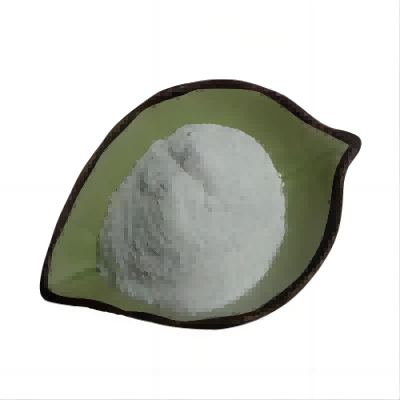
D-Fructose CAS:57-48-7 Manufacturer Supplier
D-Fructose is present as a monosaccharide in fruits and vegetables, as a disaccharide in sucrose (with D-glucose), and as oligoand polysaccharides (fructans) in many plants. It is also used as an added sweetener for food and drink, and as an excipient in pharmaceutical preparations, syrups, and solutions.In equal amounts, it is sweeter than glucose or sucrose and is therefore commonly used as a bulk sweetener. An increase in high fructose corn syrup, as well as total fructose, consumption over the past 10 to 20 years has been linked to a rise in obesity and metabolic disorders. This raises concerns regarding the short and long-term effects of fructose in humans.
-
Monocalcium Phosphate Anhydrous (MCPA) CAS:7758-23-8 Manufacturer Supplier
Monocalcium phosphate is a feed supplement for livestock and poultry diet to replenish calcium and phosphorus that contribute to the formation of strong bone tissue and skeleton, improve metabolism, functions of the nervous, immune and reproductive systems, increase productivity.
-
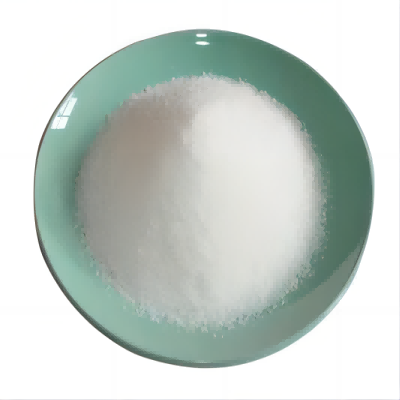
Sodium Citrate CAS:68-04-2 Manufacturer Supplier
Sodium citrate is the trisodium salt of citric acid. It has a role as a flavouring agent and an anticoagulant. Sodium citrate is chiefly used as a food additive E331, usually for flavor or as a preservative. Sodium citrate is employed as a flavoring agent in certain varieties of club soda. Sodium citrate is common as an ingredient in Bratwurst, and is also used in commercial ready to drink beverages and drink mixes, contributing a tart flavour.
-
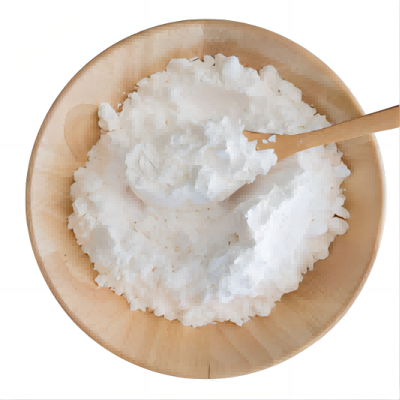
Isomalt CAS:64519-82-0 Manufacturer Supplier
Isomalt is a sugar-free sweetener that is used as an alternative to sugar due to its physical properties. Sugar alcohols such as Isomalt are absorbed sparingly into the small intestines hence it has an insignificant effect on blood sugar concentration. Isomalt provides a wide range of other benefits such as low hygroscopicity, a natural taste, minimal calories per gram and it is tooth-friendly. This sweetener can be used by anyone and it can also be beneficial as it promotes gut health in people who are on low-carb diets and diabetic patients.
-
Sodium Cirtrate CAS:68-04-2 Manufacturer Supplier
Trisodium citrate has the chemical formula of Na3C6H5O7.It is some times referred to simply as sodium citrate, though sodium citrate can refer to any of the three sodium salts of citric acid. It possesses a saline, mildly tart flavor. For this reason, citrates of certain alkaline and alkaline earth metals (e.g. sodium and calcium citrates) are commonly known as “sour salt” (occasionally citric acid is erroneously termed sour salt).
-
Zinc Lactate CAS:16039-53-5 Manufacturer Supplier
Zinc lactate zinc is a good food Enhancer for babies and has an important role in the intellectual and physical development of young people, better absorption than inorganic zinc.Zinc lactate is a kind of excellent performance, relatively economic zinc organic fortifying agent, widely added to a variety of foods to supplement the lack of zinc in food, to prevent a variety of zinc deficiency disease, enhance life vitality has a significant effect.
-
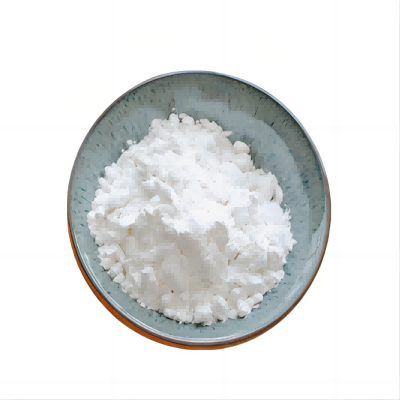
Sodium Cyclamate CAS:139-05-9 Manufacturer Supplier
Sodium cyclamate is a non-nutritive synthetic sweetener. Its sweetness is 30 times that of sucrose and has no bitter taste. It can be used in refreshing beverages, fruit juices, ice creams, pastries and preserves.It can also be used for home seasoning, cooking, pickles, cosmetics, syrup, icing, sweets, toothpaste, mouthwash, lipstick, etc. Diabetics and obese people can use it to replace sugar.
-
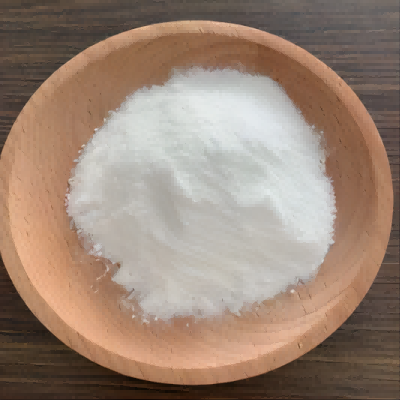
Tripotassium Phosphate (TPP) CAS:7778-53-2 Manufacturer Supplier
Potassium phosphate is a reagent with high buffering capacity, It serves as a buffering agent to regulate pH, Typically used as a component for a wide variety of media used in the culture of microorganisms, as a component in phosphate buffered saline (PBS). It occurs in several forms: monobasic, dibasic, and tribasic (K3PO4). Most pH neutral potassium phosphate buffer solutions consist of mixtures of the monobasic and dibasic forms to varying degrees, depending on the desired pH. Gomori buffers, the most commonly used phosphate buffers, consist of a mixture of monobasic dihydrogen phosphate and dibasic monohydrogen phosphate. By varying the amount of each salt, a range of buffers can be prepared that buffer well between pH 5.8 and pH 8.0 (please see the tables below). Phosphates have a very high buffering capacity and are highly soluble in water.
-
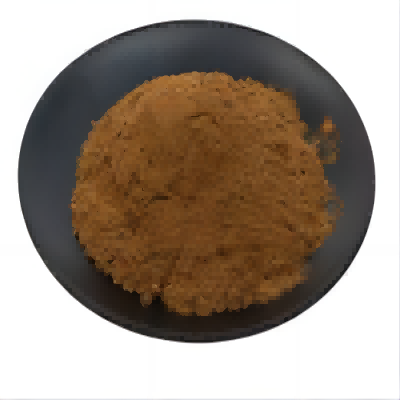
Ferrous Bisglycinate Chelate CAS:20150-34-9 Manufacturer Supplier
Ferrous bisglycinate is well suited to the fortification of liquid whole milk and other dairy products where the use of ferrous sulfate causes rancidity off-flavours. However, ferrous bisglycinate can also cause rancidity by oxidizing fats in food, which can be a problem in cereal flours and weaning cereals unless an antioxidant is added as well. Furthermore, the bisglycinate is much more expensive than many other iron compounds.Ferrous Bisglycinate is used in the fortification of infant formulations and foods.