-
Xylitol CAS:87-99-0 Manufacturer Supplier
Xylitol is a naturally occurring five carbon sugar alcohol, equivalent to sucrose in sweetness. Xylitol finds applications in the preparation of confectionaries, chewing gum, toothpaste and mouthwashes. Xylitol is a low-energy sweetener with insulin independent metabolism, making it a promising alternative for sugar in diabetic patients. Xylitol is a natural anticaries agent used in the treatment of dental caries, as it is not utilized by cariogenic bacteria creates a starvation effect on them. Xylitol prevents otitis and upper respiratory tract infections. Commercially, microorganisms like bacteria, fungi and yeasts produce xylitol by fermentation.
-
Magnesium Bisglycinate Chelate CAS:14783-68-7 Manufacturer Supplier
Magnesium Bisglycinate is a great-tasting powder that can be mixed with water, juice, or with another powdered supplement.Magnesium bisglycinate is an amino acid chelate that binds magnesium to glycine, aiming to reproduce the form in which magnesium is found naturally in food. Studies from the USA suggest good magnesium availability with this chelated form, which also doesn’t appear to have any particular drawbacks.
-
Dextrose Ahhydrous/D-Glucose anhydrous CAS:50-99-7 Manufacturer Supplier
D(+)-glucose ,a short form of dextrorotatory glucose, is a stereoisomer of glucose molecule, which is biologically active and whose bottom chiral carbon has its hydroxyl group (OH) located spatially to the right. Its molecule can exist in an open-chain (acyclic) and ring (cyclic) form and has two isomers α- and β-. It is the main source of energy in the form of ATP for living organisms. It is naturally occurring and is found in fruits and other parts of plants in its free state. In animals, it arises from the breakdown of glycogen in a process known as glycogenolysis. D-(+)-Glucose has been used as a standard for the estimation of total sugar in hydrolyzed starch by phenol-sulfuric acid method. It has also been used in the preparation of the liquid media for culturing some yeast cells. In addition, it is used therapeutically in fluid and nutrient replacement, such as glucose syrup and glucose powder. It can be obtained by enzymatic cleavage of starch, so there are multiple sources like sugar cane, sugar beet, corn (corn syrup), potatoes and wheat. Today, large-scale starch hydrolysis is used to produce glucose.
-
Nisin CAS:1414-45-5 Manufacturer Supplier
As a ribosomally synthesized peptide, Nisin has broad-spectrum antibacterial activity that is produced by the Lactococcus lactis. In the food industry, Nisin is obtained from the cultivating of Lactococcus lactis on natural substrates, such as milk or dextrose. It serves as a natural, antibacterial, and toxicologically safe food preservative which is protect against many bacteria that are food-spoilage pathogens. As a food additive, Nisin is popularly used in food production, such as milk, meats, fast food, beverages, health care products and medicines, etc. It is effective to decrease sterilization time, lower temperature during food sterilization, improve food quality, lessen damage to nutrition, and extend shelf life by suppressing Gram-positive spoilage and pathogenic bacteria. Besides, it has been studied as a possible treatment for infections of Clostridium difficile combined with miconazole.
-
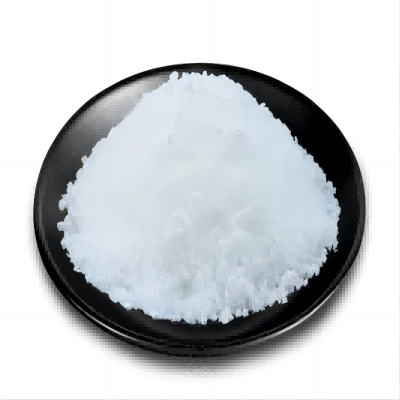
Sodium Phosphate CAS:7601-54-9 Manufacturer Supplier
Trisodium phosphate (TSP) is an inorganic salt used as industrial detergents, metal treatment and in toilet floor cleaners. TSP is pure cleaning power. Used as a water softener; for the treatment of boiler water; as a paint remover; in photographic developers; for tanning leather; for manufacturing paper; for clarifying sugar.It is also commonly present in cheese sauces as an emulsifier. Trisodium phosphate is a strong chemical and can cause severe eye damage and can burn unprotected skin. Poisoning occurs if you swallow, breathe in, or spill large amounts of this substance on your skin.
-

Lactitol CAS:585-86-4 Manufacturer Supplier
Lactitol (4-o-(|3-D-Galactopyranosyl)-D-glucitol) is a disaccharide sugar alcohol derived from lactose by reduction of its glucose moiety. Lactitol has not been found in nature. It is about 0.4 times as sweet as sucrose.Lactitol is a 12-carbon sugar alcohol, which can be produced by hydrogenation of lactose through a catalyst. There are two types of products, anhydrous and containing a bound water. It has a refreshing sweetness and is often used in combination with high-sweetness sweeteners. It has no aftertaste and is hygroscopic. It has low performance and high solubility. Its relative molecular weight is similar to that of sucrose, and its influence on water activity is also similar to that of sucrose. It is stable under both acidic and alkaline conditions, and is also very stable under high temperature conditions in food processing. Lactitol is suitable for many foods, such as baked goods, sugar-coated candies, and frozen milk-containing sweets.
-

Sodium Diacetate CAS:126-96-5 Manufacturer Supplier
Sodium Diacetate is a preservative, sequestrant, acidulant, and fla- voring agent that is a molecular compound of sodium acetate and acetic acid which yields acetic acid. it is a white crystalline powder which is hygroscopic. it functions against mold and bacteria and is used in bread. it is also termed sodium hydrogen diacetate.
-
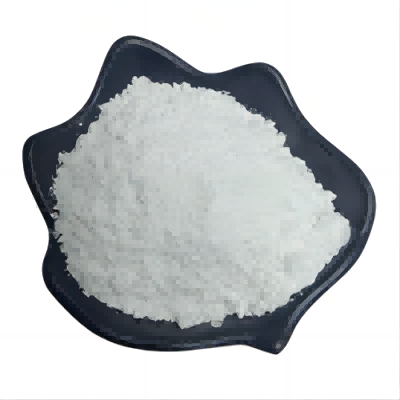
Zinc Oxide CAS:1314-13-2 Manufacturer Supplier
Zinc oxide occurs in nature as mineral zincite. It is the most important zinc compound and has numerous industrial applications. Zinc oxide is the pigment in white paints. It is used to make enamels, white printing inks, white glue, opaque glasses, rubber products and floor tiles. It is used in cosmetics, soaps, pharmaceuticals, dental cements, storage batteries, electrical equipment, and piezoelectric devices. Other applications are as a flame retardant, as a UV absorber in plastics, and a reagent in analytical chemistry. A major application of zinc oxide is in the preparation of most zinc salts. In medicine, the compound is used as an antiseptic, an astringent and a topical protectant.
-
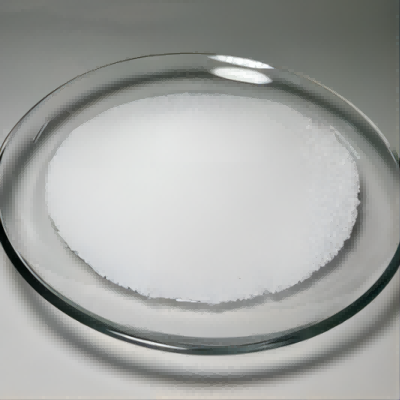
Sorbitol CAS:50-70-4 Manufacturer Supplier
Sorbitol is a humectant that is a polyol (polyhydric alcohol) produced by hydrogenation of glucose with good solubility in water and poor solubility in oil. It is approximately 60% as sweet as sugar, and has a caloric value of 2.6 kcal/g. It is highly hygroscopic and has a pleasant, sweet taste. It maintains moistness in shredded coconut, pet foods, and candy. In sugarless frozen desserts, it depresses the freezing point, adds solids, and contributes some sweetness. It is used in low-calorie beverages to provide body and taste. It is used in dietary foods such as sugarless candy, chewing gum, and ice cream. It is also used as a crystallization modifier in soft sugar-based confections.
-
Agar CAS:9002-18-0 Manufacturer Supplier
Agar is a dried, hydrophilic, colloidal polysaccharide complex extracted from the agarocytes of algae of the Rhodophyceae. The structure is believed to be a complex range of polysaccharide chains having alternating a-(1!3) and b-(1!4) linkages. There are three extremes of structure noted: namely neutral agarose; pyruvated agarose having little sulfation; and a sulfated galactan. Agar can be separated into a natural gelling fraction, agarose, and a sulfated nongelling fraction, agaropectin.
-
Magnesium DL-Aspartate CAS:62-52-2 Manufacturer Supplier
Magnesium aspartate is a type of magnesium aspartate salt, which is a mineral supplement. Aspartate is considered a carrier of minerals related to cell metabolism, and improves energy production efficiency by supplementing important electrolytes to assist in cell metabolism processes. It is also a skin conditioner, most commonly used as an adhesive and chelating agent.
-
Dextrose monohydrate/D-Glucose monohydrate CAS:5996-10-1 Manufacturer Supplier
Glucose is a monosaccharide sugar found in honey and fruits. It is the primary product of plant photosynthesis, which is optically active and dextrorotatory.Glucose and its derivatives are critically important in the energy metabolism of living organisms. It is transported around the animal body through blood, and by lymph and cerebrospinal fluid, to cells where the energy is released during glycolysis.A monosaccharide occurring widely in nature as D-glucose. It occurs as glucose units in sucrose, starch, and cellulose. It is important to metabolism because it participates in energy-storage and energy-release systems.