-
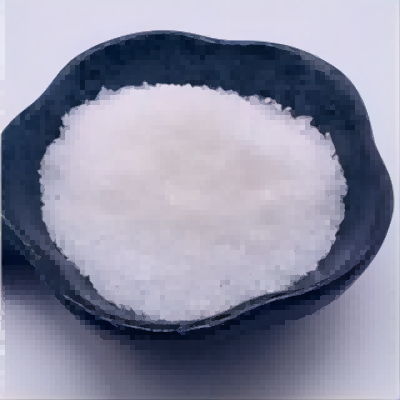
Magnesium Stearate CAS:557-04-0 Manufacturer Supplier
Magnesium stearate is a kind of fatty acid salt type anionic surfactant with its appearance being white powder with slight special smell and creamy feeling. It can be soluble in hot aliphatic hydrocarbons, hot arene and hot grease but insoluble in alcohol and water with being decomposed into stearic acid and corresponding magnesium salts in case of acid. Magnesium stearate has an excellent adhesion property to the skin with excellent lubrication property. It can be applied to powder products in cosmetics and can improve adhesion and lubrication.
-
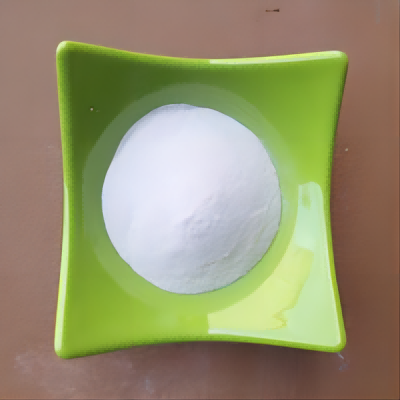
Calcium Sulfate CAS:99400-01-8 Manufacturer Supplier
Calcium sulfate is a grayish-white dense powder that occurs in nature in both an anhydrous form (anhydrite) and hydrated form(gypsum); it is also the byproduct of many chemical reactions. It has many industrial uses;for example, as a source of sulfur and sulfuric acid,in cements, tiles and plaster,as a soil conditioner, in paints, dyes,and polishes, and as a food additive.
-
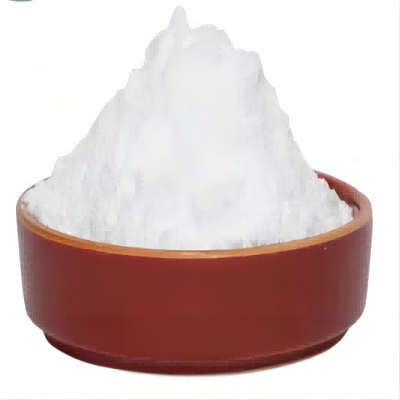
Calcium Pyruvate CAS:52009-14-0 Manufacturer Supplier
Calcium pyruvate is the calcium salt of pyruvate. It is very stable. It appears as white crystalline powder and is odorless and almost neutral. It is slightly soluble in water. Pyruvate, however, is extremely unstable and is easily to be oxidized with weak oxidant Fe and H2O2 being able to oxidize the pyruvate into acetate and release the carbon dioxide at the same time. Pyruvate is the intermediate product during the in vivo carbohydrate metabolism in the body of the organisms as well as the indispensable transit point for both protein and lipid metabolism to go through. In natural environment, it is a colorless liquid with a pungent odor. It has a boiling point of 165 ℃ (decomposition). It is easily soluble in water, in addition to having the typical properties of both hydroxy acids and ketones, it also has the characteristics of a-keto acid. Pyruvate is the simplest a-keto acid (belonging hydroxy acid).
-
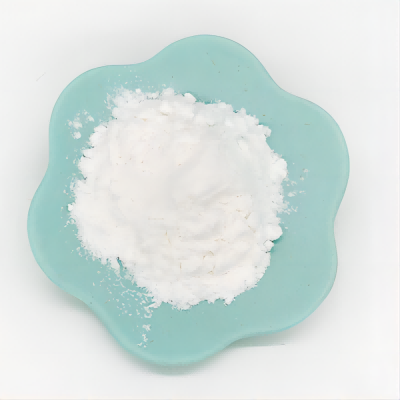
Vitamin E Succinate CAS:4345-03-3 Manufacturer Supplier
Tocopherol succinate is a potent antioxidant. Protects mice from gamma-radiation by induction of granulocyte-colony stimulating factor.Tocopherol succinate induces apoptosis in human gastric cancer cells and inhibits proliferation of mesothelioma cells by down-regulation of fibroblast growth factor receptor. Induces apoptosis in neuroblastoma cells.
-
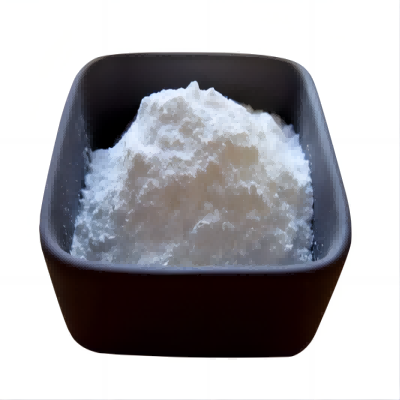
Calcium Citrate Malate CAS:142606-53-9 Manufacturer Supplier
Calcium Citrate Malate, is the calcium salt of citric acid and malic acid with variable composition. It is water soluble and when dissolved, it releases calcium ions and a calcium-citrate complex into intestinal cells.
-
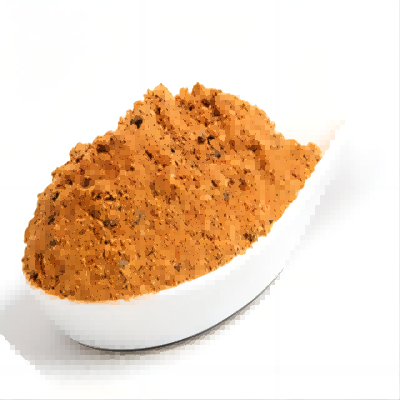
Vitamin B9 (Folic Acid) CAS:59-30-3 Manufacturer Supplier
Folic acid (folate) is a kind of B-vitamin which is mainly present in the liver and kidney. It has various kinds of pharmacological and physiological effects. It is involved in amino acid metabolism, purine and pyrimidine synthesis, and is also essential for hematopoiesis and red blood cell generation. In women pregnancy, folate can effectively prevent neural tube defects in the baby. It plays important role in fertility through contributing to spermatogenesis. It can also reduce the incidence of heart disease, stroke and cancer.
-
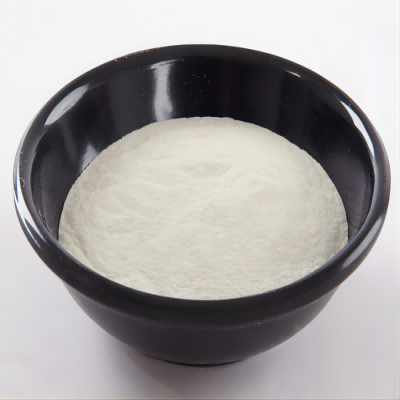
Whey Protein CAS:47-43-8 Manufacturer Supplier
Whey Protein known as the king of protein, extracted from the milk of a protein with high nutritional value, easy to digest absorption characteristics with a variety of active ingredients.It is recognized as one of the human body of high quality protein supplements.Whey Protein Powder contains the complete spectrum of amino acids your body needs for quick muscle recovery after a brisk workout. Plus, because you need extra amino acids as you age, whey protein power gives your body the extra boost of nutrition energy it needs.
-
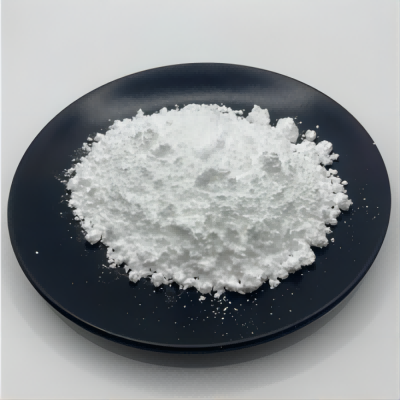
Vitamin E CAS:2074-53-5 Manufacturer Supplier
Vitamin E is a potent antioxidant that is capable of protecting polyunsaturated fatty acids from oxidative breakdown.This vitamin also functions to enhance vitamin A use.Although several other physiological actions have been suggested, to date no unifying concept exists to explain these actions. Vitamin E (α-tocopherol) is found in a variety of foodstuffs, the richest sources being plant oils, including wheat germ and rice, and the lipids of green leaves.
-
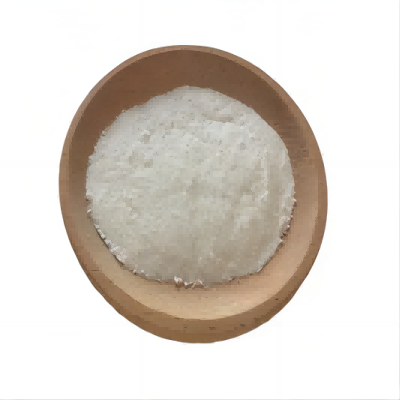
Calcium Citrate CAS:813-94-5 Manufacturer Supplier
Calcium citrate, a naturally occurring chemical in most plants and animals, is the calcium salt derived from citric acid. Calcium citrate is present in foods which have naturally occurring citric acid.Calcium citrate is an organic calcium salt composed of calcium cations and citrate anions in a 3:2 ratio. It has a role as a nutraceutical, a food additive, a food preservative and a flavouring agent.
-
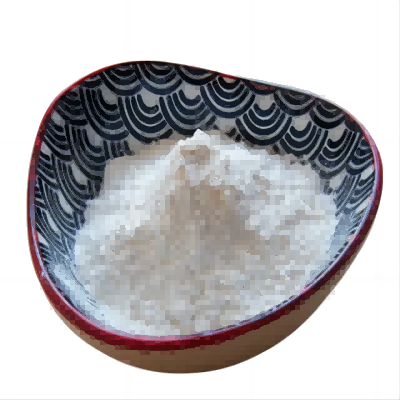
Vitamin Bh (Inositol / Inositol Nicotinate) CAS:87-89-8 Manufacturer Supplier
Inositol belongs to the vitamins B class. Because of the different orientation of the relative ring plane of hydroxyl, it has a total of nine kinds of isomers, including 7 of non-optically active form, two kinds of optically active (L-form and D-form). In nature, it is widely distributed in all living tissues as either free or bound state, and is a common component presented in animal and plant cells. It can be synthesized by gastrointestinal microbes, being involved in carbohydrate and lipid metabolism in the body. It is mainly presented in the form of phosphatidylinositol in animal. It is most abundant in brain, heart and skeletal muscle. It is mainly in the form inositol phosphate in plants, and can bind with calcium, zinc and iron into insoluble compounds, which interfere with their digestion and absorption.
-
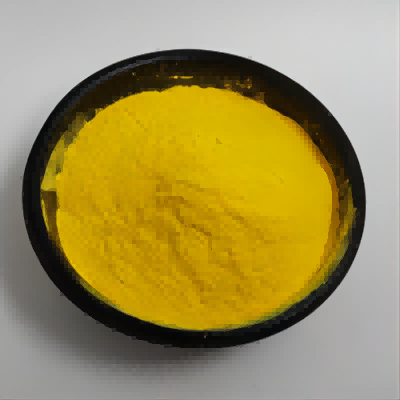
Vitamin K1 (Phytonadione) CAS:84-80-0 Manufacturer Supplier
Vitamin K1 is a fat-soluble, dietary nutrient that is essential for the synthesis of proteins important for blood-clotting, bone metabolism, and cell growth. It is found in the photosynthetic tissues of green, leafy plants, where it acts as an electron acceptor forming part of the electron transport chain of Photosystem I. Vitamin K1 also serves as a precursor to vitamin K2 and is reported to exhibit anticancer activity in various cell lines.
-
Vitamin B2 (Riboflavin) CAS:83-88-5 Manufacturer Supplier
Vitamin B2, also known as riboflavin, is a water-soluble vitamin that cannot be synthesized by the human body and must be supplied by food. It is indispensable for maintaining normal physiological functions and metabolism of the human body. Riboflavin is synthesized by all green plants and by mostbacteria and fungi. Therefore, riboflavin is found, at least insmall amounts, in most foods. Foods that are naturally highin riboflavin include milk and other dairy products, meat,eggs, fatty fish, and dark green vegetables.Chemically, riboflavin is an N-glycoside of flavin, alsoknown as lumichrome, and the sugar, ribitol .