-
Vitamin B15 (Pangamic acid) CAS:11006-56-7 Manufacturer Supplier
Pangamic acid, also called pangamate, is the name given to the chemical compound described as d-glucono dimethyl amino acetic acid, initially promoted by Ernst T. Krebs, Sr. and his son Ernst T. Krebs, Jr. as a medicinal compound for use in treatment of a wide range of diseases. They also termed this chemical “Vitamin B15″, though it is not a true vitamin, has no nutritional value, has no known use in the treatment of any disease and has been called a “quack remedy.” Although a number of compounds labelled “pangamic acid” have been studied or sold, no chemical compound, including those claimed by the Krebses to be pangamic acid, has been scientifically verified to have the characteristics that defined the original description of the compound.
-

Vitamin K4 (Acetomenaphthone) CAS:573-20-6 Manufacturer Supplier
Menadiol Diacetate(Vitamin K4) is essential for efficient blood-clotting and to maintain proper bone calcification. Practically Menadiol Diacetate(Vitamin K4) assists in the treatment of hemorrhagic-type disease, namely coccidiosis.
-
Vitamin B4 (Adenine phosphate) CAS:73-24-5 Manufacturer Supplier
Adenine is one of the purine nitrogenous bases that composes DNA and RNA; composed of two carbon–nitrogen rings. Adenine bonds with thymine in DNA and with uracil in RNA (see base pairing rule); it is also a major component of other molecules such as adenosine triphosphate.
-
Vitamin C Palmitat CAS:137-66-6 Manufacturer Supplier
Ascorbyl palmitate is a lipophilic derivative of ascorbic acid with antioxidant and antiproliferative activities. It scavenges hydroxyl radicals in cell-free assays. Ascorbyl palmitate (0.01%) reduces the rate of autoxidation of soybean, safflower, sunflower, peanut, and corn oil. It inhibits increases in epidermal ornithine decarboxylase activity and DNA synthesis induced by phorbol 12-myristate 13-acetate (TPA; ) in mice in a concentration-dependent manner when applied topically.
-
Zinc Picolinate CAS:17949-65-4 Manufacturer Supplier
Zinc picolinate is an organic zinc supplement wherein zinc atom is attached to a picolinic acid molecule. Studies have also suggested that zinc supplements may reduce the incidence of respiratory infections in children. A number of zinc supplements are available, including zinc acetate, zinc gluconate, zinc picolinate, and zinc sulfate. Zinc picolinate is a highly available form of zinc supplement, easily dissolved to release the elemental zinc for use in the body. Surprisingly, although Zinc picolinate is widely used as a supplement with greater bioavailability claims, there are very few scientific studies to back this claim.
-
Vitamin U (Methylmethionine Sulfonium Chloride) CAS:63889-27-0
Vitamin U, also known as Methylmethionine Sulfonium Chloride (Methylmethionine Sulfonium Chloride), is an anti-ulcer agent, mainly used to treat gastric ulcer and duodenal ulcer. It is not an essential nutrient for the human body.Vitamin U (DL-methionine methylsulfonium chloride) is a natural methionine-derivative, found as an active component in the methionine cycle of plants where it serves as a substrate for methyl transferases (Augspurger et al., 2005). Historically this compound has been utilized as either a cure or preventative against gastric and duodenal ulcers (Nakamura et al., 1981). Vitamin U has been shown to aid in an overall increased weight gain of 3.6% and to decrease feed efficiency by 2.0% when included in a hog-fattening ration at 25 mglkg of feed (Solntsev and Filipovich, 1981).
-
Calcium beta-Hydroxy-beta-Methyl Butyrate/HMB-Ca CAS:135236-72-5
HMB Calcium is one of the sports nutritional supplements.HMB Calcium can promote muscle cell grow, and improve the italic organize.HMB calcium can reduce human fat, reduce the consumption of muscle protein, help the muscle to recover, and reduce the effect of muscle injury caused by overfatigue, thus it can improve exercise intensity and endurance.
-
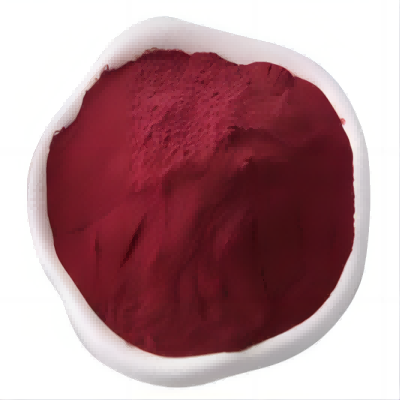
Methylcobalamin (Vitamin B12) CAS:13422-55-4 Manufacturer Supplier
Mecobalamin as vitamin B12 derivatives, should be called “methyl vitamin B12″ according to the chemical structure of name, the functional groups of methylation can be involved in the biochemical process of methyl transfer activity, promoting to nucleic acid of nerve tissue, the metabolism of protein and fat, , can stimulate the synthesis of lecithin Schwann cells, repairing the damaged myelin, improving nerve conduction velocity; directly into nerve cells, and stimulating axon regeneration of damaged area; stimulating protein synthesis in nerve cells and enhanced synthetic metabolism of axons to prevent axonal degeneration; involved in nucleic acid synthesis, promoted hematopoietic function. The treatment is clinically used in diabetic neuropathy, long-term use of macrovascular complications of diabetes are the curative effect.
-
Creatine Phosphate Disodium Salt CAS:922-32-7
Creatine phosphate belongs to the human body and is the most important type of energy supplier. It can provide energy support for various tissues and organs. In human brain, kidney, cardiac muscle and skeletal muscle, 80% of the energy source is creatine phosphate. In humans, the synthesis of creatine phosphate begins in the kidney organs. A guanidinic acid is formed from arginine and glycine, and then creatine is formed through methylation in the liver. Finally, it is phosphorylated in various cellular tissues. And creatine phosphate is formed. Creatine phosphate disodium salt is a commercial creatine phosphate drug, which has become more and more widely used in acute myocardial infarction in recent years, and has achieved good results.
-
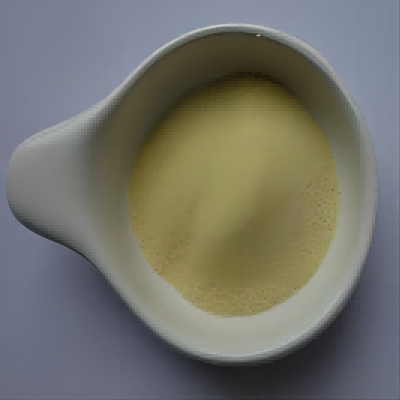
Vitamin A Acetate CAS:127-47-9 Manufacturer Supplier
Retinyl acetate (retinol acetate, vitamin A acetate) is a natural form of vitamin A. It is the acetate ester of retinol. It consists of yellow crystals which are greasy or sticky. It has a mild, characteristic odor. It has potential antineoplastic and chemo-preventive activities. It can be used to fortify food with vitamin A. As vitamin A acetate can induce cell differentiation and inhibit cell proliferation, it is used in skin-conditioning agent.
-
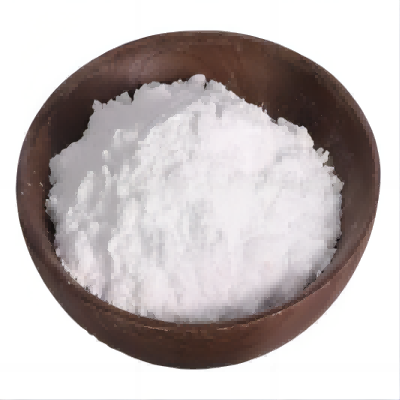
L-Carnitine Fumarate CAS:90471-79-7 Manufacturer Supplier
L-Carnitine fumarate is a stable form of L-carnitine, easy to absorb moisture as a white powder or crystalline powder,soluble in water.Fumarate is a salt and fumaric acid esters, is in the body and certain types of naturally occurring within moss and mushrooms. It is widely used as a food additive.
-
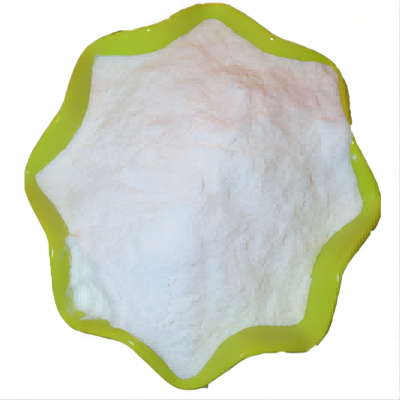
Calcium Pyruvate CAS:52009-14-0 Manufacturer Supplier
Calcium pyruvate is the calcium salt of pyruvate. It is very stable. It appears as white crystalline powder and is odorless and almost neutral. It is slightly soluble in water. Pyruvate, however, is extremely unstable and is easily to be oxidized with weak oxidant Fe and H2O2 being able to oxidize the pyruvate into acetate and release the carbon dioxide at the same time. Pyruvate is the intermediate product during the in vivo carbohydrate metabolism in the body of the organisms as well as the indispensable transit point for both protein and lipid metabolism to go through.

