-

Vitamin B2 (Riboflavin) CAS:83-88-5 Manufacturer Supplier
Vitamin B2, also known as riboflavin, is a water-soluble vitamin that cannot be synthesized by the human body and must be supplied by food. It is indispensable for maintaining normal physiological functions and metabolism of the human body. Riboflavin is synthesized by all green plants and by mostbacteria and fungi. Therefore, riboflavin is found, at least insmall amounts, in most foods. Foods that are naturally highin riboflavin include milk and other dairy products, meat,eggs, fatty fish, and dark green vegetables.Chemically, riboflavin is an N-glycoside of flavin, alsoknown as lumichrome, and the sugar, ribitol .
-
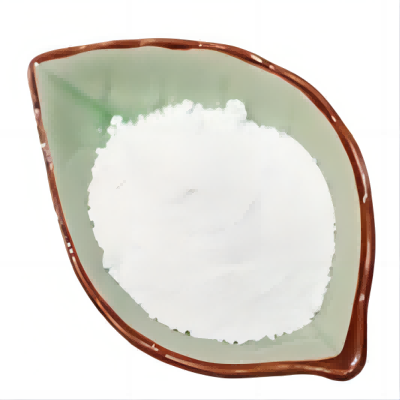
Vitamin C (Ascorbic Acid / Sodium Ascorbate) CAS:134-03-2 Manufacturer Supplier
Sodium ascorbate is sodium salt of ascorbic acid (commonly known as vitamin C), which is approved for use as a food additive in many countries. Sodium ascorbate is consisted of a combination of sodium and vitamin C, which commonly serve as an antioxidant and an acidity regulator in pharmaceutical manufacturing and in the food industry. In this mixture, sodium acts as a buffer, creating a less acidic supplement than those made entirely from vitamin C. It can be easier to tolerate if the digestive system is sensitive to acid. As a vitamin C supplement, it provides both sodium and vitamin C for human body, which is effective to prevent or treat vitamin C deficiency. Besides, studies have shown that taking sodium ascorbate is helpful with cancer prevention and treatment.
-
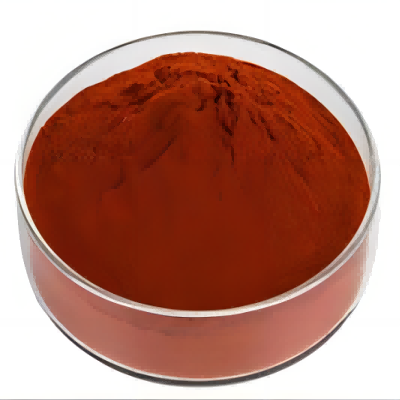
Vitamin B12 (Mecobalamin) CAS:13422-55-4 Manufacturer Supplier
Mecobalamin as vitamin B12 derivatives, should be called “methyl vitamin B12″ according to the chemical structure of name, the functional groups of methylation can be involved in the biochemical process of methyl transfer activity, promoting to nucleic acid of nerve tissue, the metabolism of protein and fat, , can stimulate the synthesis of lecithin Schwann cells, repairing the damaged myelin, improving nerve conduction velocity; directly into nerve cells, and stimulating axon regeneration of damaged area; stimulating protein synthesis in nerve cells and enhanced synthetic metabolism of axons to prevent axonal degeneration; involved in nucleic acid synthesis, promoted hematopoietic function.The treatment is clinically used in diabetic neuropathy, long-term use of macrovascular complications of diabetes are the curative effect.
-
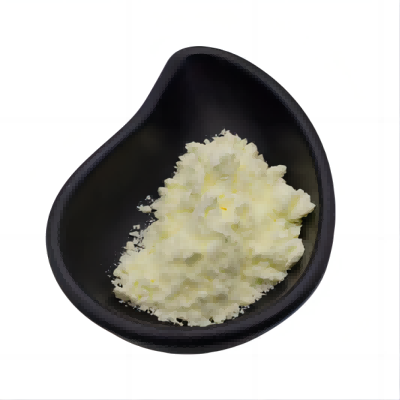
Vitamin K2 MK7 (Menatetrenone) CAS:863-61-6 Manufacturer Supplier
Menatetrenone (also known as MK-4) is a manaquinone compound and a vitamin K compound which can be used as a hemostatic agent as well as adjunctive therapy for the pain of osteoporosis. It mainly takes effects through modulating the signaling of certain tyrosine kinases, thereby affecting several transcription factors including c-myc and c-fos. It is capable of inhibiting tumor cells growth through inducing apoptosis and cell cycle arrest. It can be produced via the conversion of vitamin K1 inside the body including the testes, pancreas and arterial walls.
-
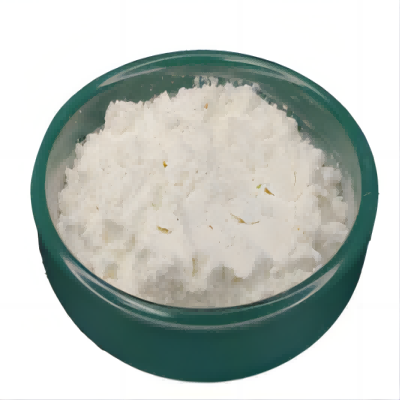
Vitamin B3 (Nicotinamide) CAS:98-92-0 Manufacturer Supplier
Nicotinamide aka Vitamin B3 (niacinamide, nicotinic acid amide) is the pyridine 3 carboxylic acid amide form of niacin. It is a water -soluble vitamin that is not stored in the body. The main source of vitamin in diet is in the form of nicotinamide, nicotinic acid, and tryptophan. The main source of niacin include meat, liver, green leafy vegetables, wheat, oat, palm kernel oil, legumes, yeast, mushrooms, nuts, milk, fish, tea, and coffee.
-
Vitamin C Coated CAS:50-81-7 Manufacturer Supplier
Ascorbic acid, a water-soluble dietary supplement, is consumed by humans more than any other supplement. The name ascorbic means antiscurvy and denotes the ability of ascorbic to combat this disease. Vitamin C is the l-enantiomer of ascorbic acid. Ascorbic acid deficiency in humans results in the body’s inability to synthesize collagen, which is the most abundant protein in vertebrates.
-
Vitamin B13 (Orotic Acid) CAS:65-86-1 Manufacturer Supplier
Orotic acid (also known as pyrimidinecarboxylic acid) is a heterocyclic acid; it is also known as. Historically it was believed to be part of the vitamin B complex and was called vitamin B13, but it is now known that it is not a vitamin. It is well known as a precursor in biosynthesis of pyrimidines; in mammals it is released from the mitochondrial dihydroorotate dehydrogenase (DHODH) for conversion to UMP by the cytoplasmic UMP synthase enzyme. OA is also a normal part of the diet, being found in milk and dairy products, and it is converted to uridine for use in the pyrimidine salvage pathway predominantly in liver, kidney and erythrocytes.
-
Vitamin K3 (Menadione feed grade) CAS:58-27-5 Manufacturer Supplier
Menadione is a member of the class of 1,4-naphthoquinones that is 1,4-naphthoquinone which is substituted at position 2 by a methyl group. It is used as a nutritional supplement and for the treatment of hypoprothrombinemia. It has a role as a nutraceutical, a human urinary metabolite, an angiogenesis inhibitor, an EC 3.4.22.69 (SARS coronavirus main proteinase) inhibitor and an antineoplastic agent. It is a member of 1,4-naphthoquinones and a vitamin K.Vitamin K is a general term referring to a group of naphthoquinone derivatives required in the diet for blood clotting. Menadione is a fat-soluble vitamin that is essential for blood clotting. It is destroyed by irradiation during processing but has no appreciable loss during storage. It occurs in spinach, cabbage, liver, and wheat bran.
-

Vitamin B3 (Nicotinic Acid) CAS:59-67-6 Manufacturer Supplier
Niacin is an additive to food on the basis of its nutrient supplement qualities as a vitamin (as an enzyme co-factor). This water-soluble vitamin of the B complex occurs in various animal and plant tissues. It is required by the body for the formation of coenzymes NAD and NADP. A deficiency of niacin results in the disease, pellagra.
-
Calcium Phosphate CAS:7758-87-4 Manufacturer Supplier
Calcium Phosphate is the calcium salt of phosphoric acid with widely used applications. It occur abundantly in nature in several forms and are the principal minerals for the production of phosphate fertilizers and for a range of phosphorus compounds. For example, the tribasic variety (precipitated calcium phosphate), Ca3(PO4)2, is the principal inorganic constituent of bone ash. The acid salt Ca(H2PO4)2, produced by treating mineral phosphates with sulfuric acid, is employed as a plant food and stabilizer for plastics. It is a natural constituent of mammals, and it is a component of bone replacement transplants in much higher amounts with no toxicological problems.
-
Vitamin B15 (Pangamic acid) CAS:11006-56-7 Manufacturer Supplier
Pangamic acid, also called pangamate, is the name given to the chemical compound described as d-glucono dimethyl amino acetic acid, initially promoted by Ernst T. Krebs, Sr. and his son Ernst T. Krebs, Jr. as a medicinal compound for use in treatment of a wide range of diseases. They also termed this chemical “Vitamin B15″, though it is not a true vitamin, has no nutritional value, has no known use in the treatment of any disease and has been called a “quack remedy.” Although a number of compounds labelled “pangamic acid” have been studied or sold, no chemical compound, including those claimed by the Krebses to be pangamic acid, has been scientifically verified to have the characteristics that defined the original description of the compound.
-

Vitamin K4 (Acetomenaphthone) CAS:573-20-6 Manufacturer Supplier
Menadiol Diacetate(Vitamin K4) is essential for efficient blood-clotting and to maintain proper bone calcification. Practically Menadiol Diacetate(Vitamin K4) assists in the treatment of hemorrhagic-type disease, namely coccidiosis.