-
L-Glutamine CAS:14639-25-9 Manufacturer Supplier
L-glutamine is an alpha-amino acid that is one of the 20 amino acids consisting proteins. L-glutamine is a non-essential amino acids and is also the most abundant amino acids in human bodies. It is involved in many important biological processes. For example, it is a building block for the protein synthesis as one key amino acid; it is used in the biosynthesis of urea and purines for nucleic acid synthesis; it is a substrate for the biosynthesis of neurotransmitters; it is also an important sources of cellular energy generation.
-
Creatine Ethyl Ester CAS:6020-87-7 Manufacturer Supplier
Creatine Monohydrate is the monohydrate form of creatine similar or identical to endogenous creatine produced in the liver, kidneys, and pancreas. Pure creatine is a white, tasteless,odorless powder, that is a naturally occurring metabolite found in muscle tissue.Creatine monohydrate is an amino acid produced in the human body that plays a role in replenishing the energy supply to muscle cells.Creatine is usually produced to a purity of 99.5 percent or higher.Until recently, the primary use for creatine was as a laboratory reagent, demand for which was relatively limited.In the early 1990′s, however, weight trainersand other athletes began using creatine in the belief that it stimulates muscle growth and reduces muscle fatigue.
-

Sodium Pyruvate CAS:113-24-6 Manufacturer Supplier
Sodium pyruvate is the sodium salt of pyruvate. It is frequently supplemented to the cell culture medium to act as a source of energy since it is a key intermediate during the production of the high-energy ATP molecules inside cells. For example, it can be used as a carbon source for bacteria. It may also protect cell against hydrogen peroxide, an oxidant to scavenger oxygen radicals. It is an important metabolic intermediate in many essential metabolic pathways such as carbohydrate metabolism. For example, it is converted into acetyl coenzyme A and enters into the TCA cycle (Kreb’s cycle) in organisms. It is also involved in the amino acid metabolism in organisms.
-
Higenamine HCL CAS:11041-94-4 Manufacturer Supplier
Higenamine is a chemical found in several plants including aconite, Annona squamosa, Nandina domestica (sacred bamboo), and others. HigenaMine Hydrochloride is the hydrochloride form of higenamine.
-
Branch Chain Amino Acid/BCAA CAS:5589-96-8 Manufacturer Supplier
BCAAs are essential amino acids, but they have a branched-chain structure that sets them apart from the other EAAs. They are the building blocks of protein. Although branched-chain amino acids are in EAAs, the quantity is higher in pure BCAA supplements.Bromochloroacetic acid is a monocarboxylic acid that is acetic acid in which one of the methyl hydrogens is replaced by bromine while a second is replaced by chlorine. A low-melting (27.5-31.5℃), hygroscopic crystalline solid, it can be formed during the disinfection (by chlorination) of water that contains bromide ions and organic matter, so can occur in drinking water as a byproduct of the disinfection process. It is a monocarboxylic acid, an organochlorine compound and a 2-bromocarboxylic acid.
-

Methyl Sulfonyl Methane/MSM CAS:67-71-0 Manufacturer Supplier
Dimethyl sulfone is a high tempereture solvent for many inorganic and organic substances,it is used as antiinflammatory, antiproliferative, antiparasitic.Dimethyl Sulfone (MSM) is an organic sulfur-containing compound that occurs naturally in a variety of fruits, vegetables, grains, and animals including humans. a white, odorless, slightly bitter-tasting crystalline substance containing 34-percent elemental sulfur, MSM is a normal oxidative metabolite product of dimethyl sulfoxide (DMSO).
-
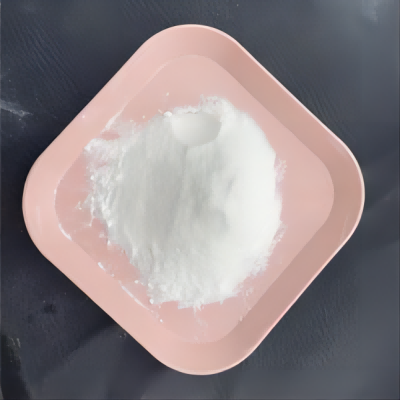
Creatine Malate CAS:686351-75-7 Manufacturer Supplier
Creatine Malate, the compound is creatine bound to malic acid. Malic acid is a naturally occuring kreb cycle intermediate, meaning that malic acid plays a crucial role in our natural energy cycle. Malic acid coupled with the effect of creatine, as in Di-Creatine Malate, offers much greater ATP production over conventional creatine monohydrate.
-
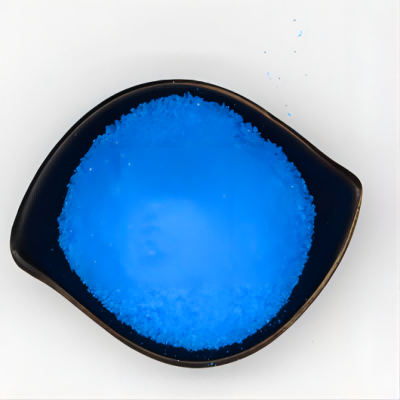
Vanadyl Sulfate CAS:27774-13-6 Manufacturer Supplier
Vanadyl sulfate is a vanadium coordination entity and a metal sulfate.Vanadyl(IV) sulfate is a inorganic compound of vanadium. This very hygroscopic blue solid is one of the most common sources of vanadium in the laboratory, reflecting its high stability. It features the vanadyl ion, VO2+, which has been called the ”most stable diatomic ion.”
-

Hyaluronic Acid CAS:9004-61-9 Manufacturer Supplier
Hyaluronic acid is a glycosaminoglycan component. Hyaluronic acid occurs naturally in the dermis. It is thought to play a critical role in healthy skin by controlling the physical and biochemical characteristics of epidermal cells. It also regulates general skin activity, such as water content, elasticity, and the distribution of nutrients. Its water-absorption abilities and large molecular structure allow the epidermis to achieve greater suppleness, proper plasticity, and turgor. Hyaluronic acid is a natural moisturizer with excellent water-binding capabilities.
-
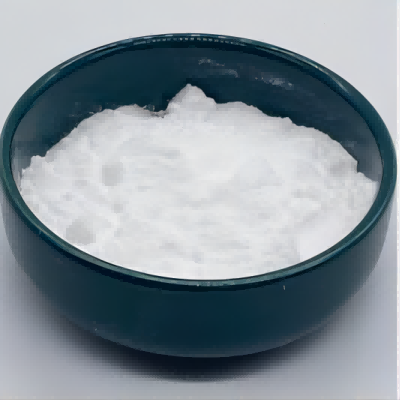
Calcium beta-Hydroxy-beta-Methyl Butyrate/HMB-Ca CAS:135236-72-5
HMB Calcium is one of the sports nutritional supplements.HMB Calcium can promote muscle cell grow, and improve the italic organize.HMB calcium can reduce human fat, reduce the consumption of muscle protein, help the muscle to recover, and reduce the effect of muscle injury caused by overfatigue, thus it can improve exercise intensity and endurance.
-
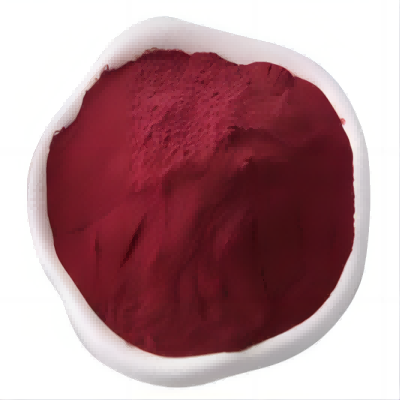
Methylcobalamin (Vitamin B12) CAS:13422-55-4 Manufacturer Supplier
Mecobalamin as vitamin B12 derivatives, should be called “methyl vitamin B12″ according to the chemical structure of name, the functional groups of methylation can be involved in the biochemical process of methyl transfer activity, promoting to nucleic acid of nerve tissue, the metabolism of protein and fat, , can stimulate the synthesis of lecithin Schwann cells, repairing the damaged myelin, improving nerve conduction velocity; directly into nerve cells, and stimulating axon regeneration of damaged area; stimulating protein synthesis in nerve cells and enhanced synthetic metabolism of axons to prevent axonal degeneration; involved in nucleic acid synthesis, promoted hematopoietic function. The treatment is clinically used in diabetic neuropathy, long-term use of macrovascular complications of diabetes are the curative effect.
-
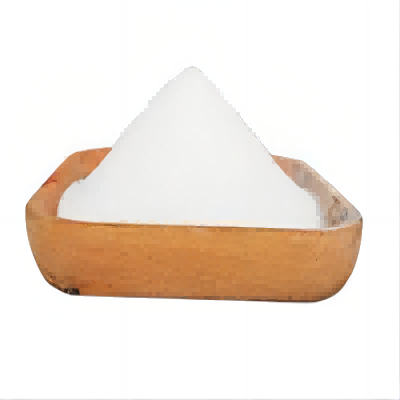
Creatine Phosphate Disodium Salt CAS:922-32-7
Creatine phosphate belongs to the human body and is the most important type of energy supplier. It can provide energy support for various tissues and organs. In human brain, kidney, cardiac muscle and skeletal muscle, 80% of the energy source is creatine phosphate. In humans, the synthesis of creatine phosphate begins in the kidney organs. A guanidinic acid is formed from arginine and glycine, and then creatine is formed through methylation in the liver. Finally, it is phosphorylated in various cellular tissues. And creatine phosphate is formed. Creatine phosphate disodium salt is a commercial creatine phosphate drug, which has become more and more widely used in acute myocardial infarction in recent years, and has achieved good results.

