-

Palmitoyl Hexapeptide-25 CAS:171263-26-6
Palmitoyl Hexapeptide-25 is a synthetic peptide consisting of six amino acids linked to a fatty acid. With a molecular weight of 1183.52, it’s recognized for its potential skin-renewing properties. This peptide has been studied for its alleged role in promoting collagen synthesis and addressing signs of aging, making it a sought-after ingredient in skincare formulations aimed at supporting skin rejuvenation.
-
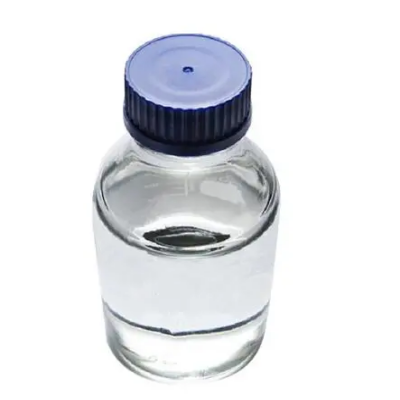
L(+)-Lactic acid CAS:79-33-4
L(+)-Lactic acid is a naturally occurring organic acid that is commonly found in various foods and beverages. It is also produced synthetically for use in a wide range of applications. L(+)-Lactic acid is widely used in the food and beverage industry as an acidulant, flavoring agent, and pH regulator. It is also utilized in the pharmaceutical and cosmetic industries for its properties as a pH adjuster, exfoliant, and moisturizing agent.
-
Hexamidine Diisethionate CAS:659-40-5
Hexamidine Diisethionate is a compound used in various skincare and cosmetic formulations. It is recognized for its potential antiseptic and antimicrobial properties, making it a valuable ingredient in products targeted at maintaining skin health and addressing specific skin conditions.
-
Glycyl-l-histidyl-l-lysine CAS:49557-75-7
Glycyl-l-histidyl-l-lysine, also known as GHK, is a tripeptide composed of glycine, histidine, and lysine. With a molecular weight of 340.42, it is recognized for its potential skin-renewing properties. GHK has been studied for its purported role in promoting wound healing and tissue repair, making it a sought-after ingredient in skincare formulations aimed at supporting skin regeneration and rejuvenation.
-
Dihydroavenanthramide D CAS:697235-49-7
Dihydroavenanthramide D is a compound derived from oats, recognized for its potential biological activities and applications in the fields of skincare and dermatology.
-
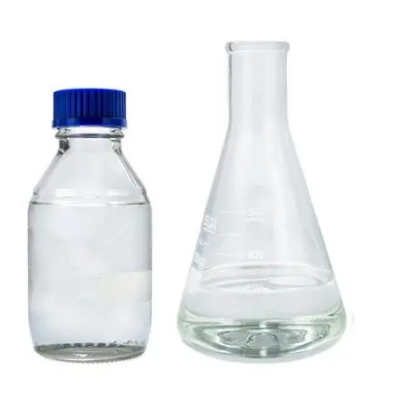
Diethylene Glycol Monoethyl Ether CAS:111-90-0
Diethylene Glycol Monoethyl Ether, also known as ethoxydiglycol, is a clear, colorless liquid with a mild odor. It is commonly used as a solvent in various industrial and household products due to its excellent solvency and low volatility. Ethoxydiglycol is also utilized as a coupling agent and a coalescing agent in the formulation of paints, inks, and coatings, as well as in the production of cleaning agents and personal care products.
-
Butylene Glycol CAS:110-63-4
Butylene Glycol is a clear, colorless organic compound commonly used as a solvent, humectant, and viscosity-decreasing agent in various cosmetic and personal care products.It has excellent solubilizing properties and is often employed to enhance the absorption of other active ingredients in skincare formulations.
-
Alpha Arbutin CAS:84380-01-8
Alpha Arbutin is a naturally occurring compound derived from the bearberry plant. It is commonly used in skincare products for its skin-lightening and brightening properties.
-
Adenosine CAS:58-61-7
Adenosine is a nucleoside molecule composed of adenine and ribose. It serves as a crucial component in various biochemical processes and is involved in energy transfer and signaling within the body. Adenosine also acts as a neurotransmitter and plays a role in regulating blood flow and cardiac function. In addition, it is used in the medical field as a medication to treat certain cardiac arrhythmias and as a diagnostic agent in cardiac stress tests.
-
Acetyl Hexapeptide-18
Acetyl Hexapeptide-18, also known as AHC-18, is a synthetically derived peptide that belongs to the family of peptides known as Argireline. With a molecular weight of 888.99, it is often used in skincare products for its potential anti-aging properties. This peptide is designed to target and reduce the appearance of wrinkles and fine lines, providing a smoother and more youthful-looking complexion.
-
Acetyl Hexapeptide-8 CAS:616204-22-9
Acetyl Hexapeptide-8, also known as Argireline, is a synthetic peptide renowned for its potential in minimizing the appearance of wrinkles and fine lines. With a molecular weight of 888.99, it is commonly utilized in skincare products due to its purported anti-aging properties. Designed to inhibit neurotransmitter release, this peptide aims to reduce muscle contractions, ultimately contributing to a smoother and more youthful-looking complexion.
-
Acetyl Hexapeptide-3 CAS:616204-22-9
Acetyl Hexapeptide-3, also known as Argireline, is a synthetic peptide designed to reduce the appearance of wrinkles and fine lines. With a molecular weight of 888.99, it is commonly utilized in skincare formulations due to its potential anti-aging properties. This peptide works by targeting specific neurotransmitters to inhibit facial muscle contractions, leading to smoother and more youthful-looking skin.

