-
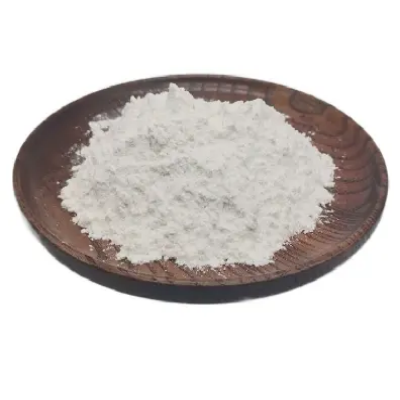
Lithium hexafluorophosphate CAS:21324-40-3
Lithium hexafluorophosphate, a lithium salt with the formula LiPF6, serves as a crucial electrolyte material in rechargeable lithium-ion batteries. As a non-coordinating anion, it facilitates ion conduction within the battery, contributing to its performance and efficiency. This compound is pivotal in enhancing the energy density and stability of lithium-ion battery systems, thereby supporting their widespread application in portable electronics, electric vehicles, and energy storage.
-

Pentamethylcyclopentadienyltris (acetonitrile)ruthenium(II) hexafluorophosphate CAS:99604-67-8
Pentamethylcyclopentadienyltris(acetonitrile)ruthenium(II) hexafluorophosphate is a notable organometallic complex with diverse applications in catalysis, coordination chemistry, and materials science. This compound features a ruthenium(II) center coordinated to three acetonitrile ligands and a pentamethylcyclopentadienyl ligand, and it is associated with the hexafluorophosphate anion. The unique electronic and structural properties of this complex make it valuable in various chemical processes and material applications.
-
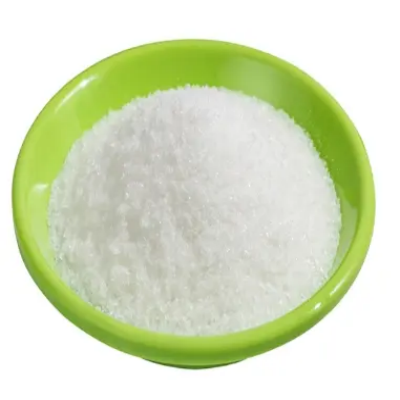
1,1′,2,2′,3,3′,4,4′,5,5′-decamethyl Ferrocenium hexafluorophosphate CAS:54182-44-4
1,1′,2,2′,3,3′,4,4′,5,5′-decamethyl ferrocenium hexafluorophosphate is a notable organometallic compound with diverse applications in catalysis, redox chemistry, and materials science. This complex cationic species, commonly referred to as “decamethylferrocenium,” features a ferrocene core bearing ten methyl groups and is associated with the hexafluorophosphate anion.
-

{n-Bu4N}{Cu(toluene-3,4-dithiolato radical anion)(toluene-3,4-dithiolato)}CAS:15551-24-3
{n-Bu4N}{Cu(toluene-3,4-dithiolato radical anion)(toluene-3,4-dithiolato)} is a significant organometallic compound with diverse applications in coordination chemistry, catalysis, and materials science. This complex features a copper center coordinated to a toluene-3,4-dithiolato radical anion and a toluene-3,4-dithiolato ligand, associated with the tetra-n-butylammonium cation.
-

4-Tert-butylpyridine CAS:3978-81-2
4-Tert-butylpyridine is a prominent organic compound widely utilized as a strong hindered base and phase-transfer catalyst in various chemical synthesis and industrial processes. With its high basicity and steric hindrance, it serves as an essential reagent in the pharmaceutical, agrochemical, and fine chemical industries, contributing to the efficient synthesis of diverse organic compounds.
-

Lactobacillus Rhamnosus + Lactobacillus Acidophilus
Lactobacillus Rhamnosus and Lactobacillus Acidophilus are beneficial probiotic bacteria commonly combined to support digestive and immune health. Often found in probiotic supplements, this blend aims to promote a balanced gut microbiota, aiding in digestion and overall well-being.
-
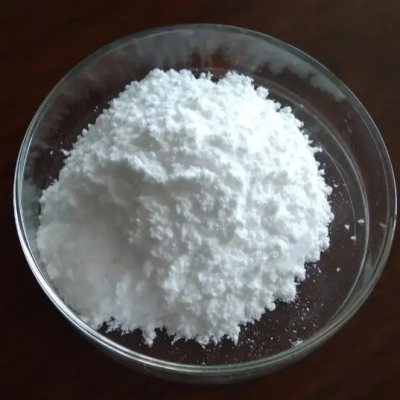
Lactobacillus Reuteri
Lactobacillus Reuteri is a probiotic bacterium naturally found in the human gastrointestinal tract and some animal species. It is known for its beneficial effects on gut health, including its ability to produce antimicrobial compounds that inhibit the growth of harmful bacteria and promote a balanced microbial environment. Lactobacillus Reuteri has been studied for its potential in supporting immune function and improving digestive wellness.
-
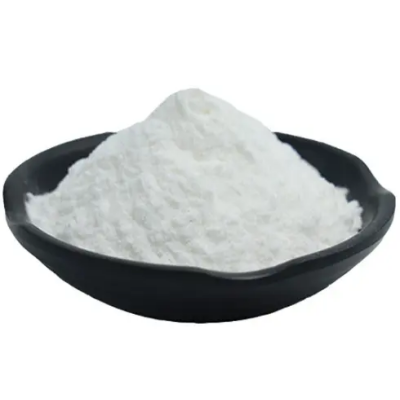
Lactobacillus Plantarum
Lactobacillus Plantarum is a species of lactic acid bacteria commonly found in fermented foods and the human gastrointestinal tract. It is known for its probiotic properties and has been studied for its potential health benefits, including immune system support and digestive health.
-
Lactobacillus Paracasei
Lactobacillus Paracasei is a beneficial probiotic bacterium known for its presence in the human gut microbiota. It is valued for its potential to support digestive and immune health. This probiotic strain is commonly found in fermented dairy products and probiotic supplements.
-
Lactobacillus Helveticus
Lactobacillus Helveticus is a beneficial probiotic bacterium commonly utilized in the fermentation of dairy products such as cheese and yogurt. It is valued for its potential to support digestive health and is often included in probiotic supplements. This probiotic strain contributes to the development of a healthy gut microbiota, aiding in digestion and overall well-being.
-

Lactobacillus Fermentum CAS:496-65-1
Lactobacillus Fermentum is a probiotic bacterium known for its potential to support digestive and immune health. Widely utilized in probiotic supplements and fermented foods, it contributes to a balanced gut microbiota, aiding in overall well-being.
-
Lactobacillus Delbueckii
Lactobacillus delbrueckii is a gram-positive, non-spore-forming bacterium that plays a crucial role in the fermentation of various foods and beverages. It is known for its ability to produce lactic acid, which contributes to the preservation and flavor development of fermented products.