-
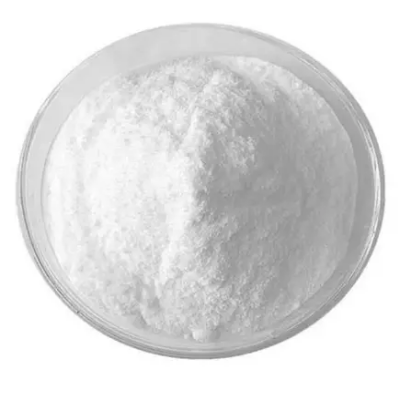
Poly(methyl vinyl ether-alt-maleic anhydride) CAS:9011-16-9
Poly(methyl vinyl ether-alt-maleic anhydride) is a copolymer composed of alternating units of methyl vinyl ether and maleic anhydride. This alternating copolymer exhibits unique properties due to the combination of its two monomeric components. The maleic anhydride units provide the polymer with reactivity and the ability to undergo chemical modifications, while the methyl vinyl ether units contribute to its solubility and film-forming characteristics.
-

Gold hydroxide CAS:1303-52-2
Gold hydroxide is a chemical compound with the formula Au(OH)3. It is a yellow-orange solid that is insoluble in water.
-
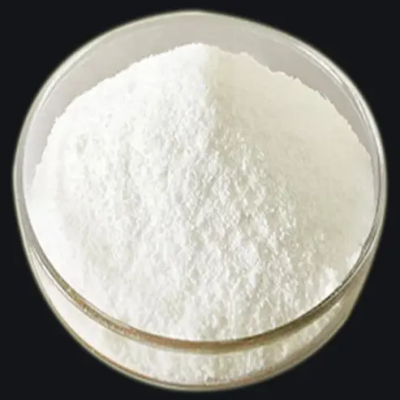
BOC-BETA-HOMOARG(TOS)-OH CAS:136271-81-3
BOC-BETA-HOMOARG(TOS)-OH is likely a peptide derivative containing a BOC (tert-butyloxycarbonyl) protecting group, a beta-homoarginine residue, and a tosyl (TOS) protecting group. Peptides and their derivatives play significant roles in pharmaceutical research, drug development, and biochemical studies due to their potential biological activities and specific interactions with biological targets.
-

EDOT CAS:126213-50-1
EDOT, or 3,4-ethylenedioxythiophene, is a heterocyclic compound with the molecular formula C6H6O2S. It is a colorless to pale yellow liquid at room temperature and is soluble in common organic solvents.
-
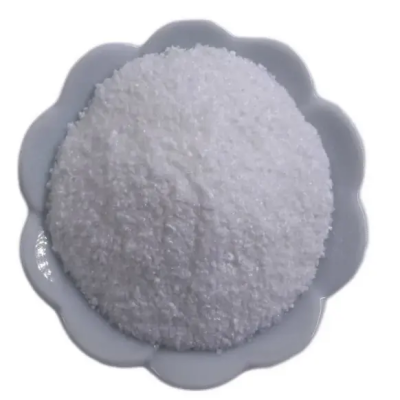
Lithium sulfate monohydrate CAS:10102-25-7
Lithium chloride is a chemical compound consisting of lithium and chlorine, with the chemical formula LiCl. It is a white, crystalline solid that is highly soluble in water.
-
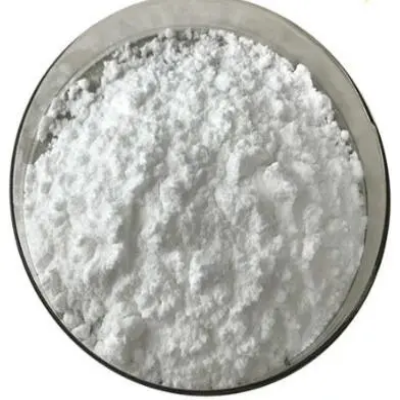
Iron(III) p-toluenesulfonate CAS:77214-82-5
Iron(III) p-toluenesulfonate, also known as ferric p-toluenesulfonate, is a coordination complex consisting of iron in the +3 oxidation state coordinated with p-toluenesulfonate ligands. This compound is commonly used as a Lewis acid catalyst in various organic transformations due to its ability to activate substrates and facilitate chemical reactions.
-
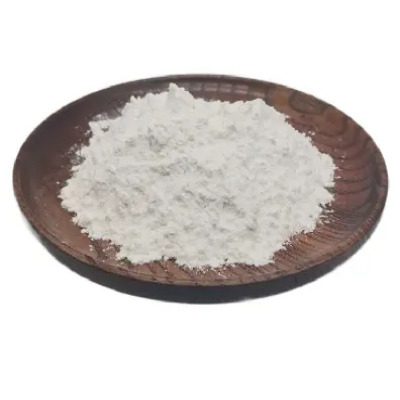
Poly(sodium-p-styrenesulfonate) CAS:25704-18-1
Poly(sodium-p-styrenesulfonate) is a water-soluble polymer derived from the polymerization of sodium p-styrenesulfonate monomers. This polymer exhibits high solubility in water due to the presence of the ionic sodium sulfonate groups along the polymer backbone. It is commonly used in various applications due to its unique properties and water solubility, making it a versatile material for diverse uses.
-
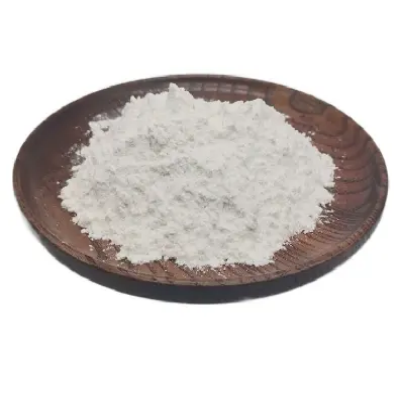
Manganese(II) sulfate monohydrate CAS:10034-96-5
Manganese(II) sulfate monohydrate, also known as manganous sulfate monohydrate, is a chemical compound composed of manganese, sulfur, and water. It is a pale pink, crystalline solid that is soluble in water.
-
![2,4-Dichloropyrido[3,4-d]pyrimidine CAS:908240-50-6](https://cdn.globalso.com/xindaobiotech/@WLGCAQ73G3FL4RKBY1.png)
2,4-Dichloropyrido[3,4-d]pyrimidine CAS:908240-50-6
2,4-Dichloropyrido[3,4-d]pyrimidine is a chemical compound with the molecular formula C7H3Cl2N3. It is a crystalline solid with chlorinated pyrimidine and pyridine rings in its structure. This compound is primarily used as a building block in organic synthesis and pharmaceutical research. Its structure and reactivity make it valuable in the development of novel pharmaceutical compounds and agrochemicals.
-
![1-[9-ethyl-6-(4-fluoro-benzoyl)-9H-carbazol-3-yl]-ethanone CAS:876907-97-0](https://cdn.globalso.com/xindaobiotech/S76J2VEENN5@2_BTD4.png)
1-[9-ethyl-6-(4-fluoro-benzoyl)-9H-carbazol-3-yl]-ethanone CAS:876907-97-0
1-[9-ethyl-6-(4-fluoro-benzoyl)-9H-carbazol-3-yl]-ethanone is a chemical compound with a complex molecular structure containing a carbazole ring, an ethyl group, a fluoro-benzoyl group, and an ethanone moiety. This compound may have potential applications in organic synthesis, materials science, and chemical research due to its unique structural features and potential reactivity.
-
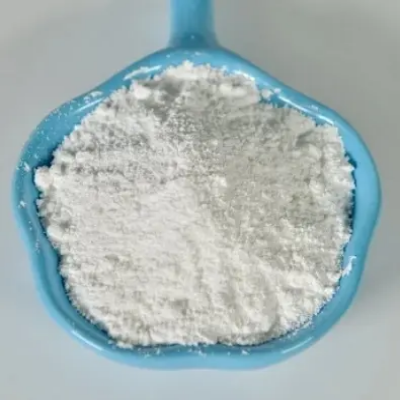
Lithium chloride CAS:7447-41-8
Lithium chloride is a chemical compound consisting of lithium and chlorine, with the chemical formula LiCl. It is a white, crystalline solid that is highly soluble in water.
-
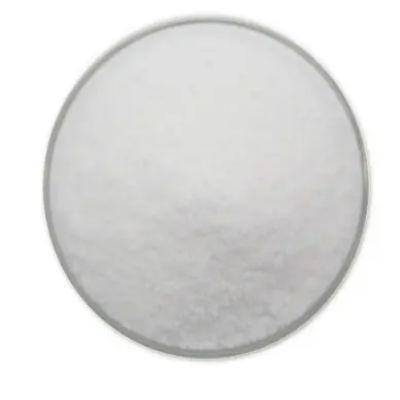
N-Ethyl-3-carbazolecarboxaldehyde CAS:7570-45-8
N-Ethyl-3-carbazolecarboxaldehyde is a chemical compound with a molecular structure containing a carbazole ring and an ethyl group attached to a carbonyl group. This compound is commonly used as a key intermediate in the synthesis of organic materials, such as dyes, pigments, and pharmaceutical compounds, due to its unique chemical properties.