-

Potassium Chloride CAS:7447-40-7 Manufacturer Supplier
Potassium chloride (KCl) is a metal halide salt that is used in a variety of areas. The dominant application of potassium chloride is to serve as a fertilizer, which offers potassium to plants and prevents them from certain diseases. Besides, it can be applied in food and medical industry. As a treatment for hypokalemia, potassium chloride pills are taken to balance the blood’s potassium levels and prevent potassium deficiency in the blood. In food industry, it serves as a electrolyte replenisher and a good salt substitute for food, as well as a firming agent to give consistent texture to food, thus to strengthen its structure.
-
Zinc Lactate CAS:16039-53-5 Manufacturer Supplier
Zinc lactate zinc is a good food Enhancer for babies and has an important role in the intellectual and physical development of young people, better absorption than inorganic zinc.Zinc lactate is a kind of excellent performance, relatively economic zinc organic fortifying agent, widely added to a variety of foods to supplement the lack of zinc in food, to prevent a variety of zinc deficiency disease, enhance life vitality has a significant effect.
-

Agar CAS:9002-18-0 Manufacturer Supplier
Agar is a dried, hydrophilic, colloidal polysaccharide complex extracted from the agarocytes of algae of the Rhodophyceae. The structure is believed to be a complex range of polysaccharide chains having alternating a-(1!3) and b-(1!4) linkages. There are three extremes of structure noted: namely neutral agarose; pyruvated agarose having little sulfation; and a sulfated galactan. Agar can be separated into a natural gelling fraction, agarose, and a sulfated nongelling fraction, agaropectin.
-
Sodium Citrate CAS:68-04-2 Manufacturer Supplier
Sodium citrate is the trisodium salt of citric acid. It has a role as a flavouring agent and an anticoagulant. Sodium citrate is chiefly used as a food additive E331, usually for flavor or as a preservative. Sodium citrate is employed as a flavoring agent in certain varieties of club soda. Sodium citrate is common as an ingredient in Bratwurst, and is also used in commercial ready to drink beverages and drink mixes, contributing a tart flavour.
-
Aspartame/APM CAS:22839-47-0 Manufacturer Supplier
Aspartame is a synthetic non-caloric sweetener that is metabolized to phenylalanine, aspartic acid, and methanol in the gut. Aspartame (80 mg/kg per day for 90 days) increases plasma alanine aminotransferase (ALT) and aspartate aminotransferase (AST) activity, induces hepatocyte degeneration and leukocyte infiltration in the liver, and reduces hepatic levels of reduced glutathione (GSH), oxidized glutathione (GSSG), and γ-glutamylcysteine (γ-GC) in mice. Formulations containing aspartame have been used as sweetening agents and flavor enhancers in foods and beverages.
-
Neotame CAS:165450-17-9 Manufacturer Supplier
Neotame is a water-soluble, nonnutritive, intense sweetening agent used in beverages and foods. It is structurally related to aspartame and is about 7000–13 000 times sweeter than sucrose, and about 30–60 times sweeter than aspartame, making it the sweetest artificial sweetener available. Neotame is said to have a ‘clean’ sweet taste in contrast to the bitter, metallic aftertaste associated with saccharin. Although neotame has approximately the same caloric value as sucrose (1.2 kJ/g) the small quantities used to achieve a desired level of sweetness in a formulation mean that it is essentially nonnutritive.Neotame may be used in sub-sweetening quantities as a flavor enhancer, e.g. with mint or strawberry flavor.
-

Lysozyme CAS:12650-88-3 Manufacturer Supplier
Lysozyme belongs to a group of enzymes that are known as glycoside hydrolases. It is found in animal tissues, organs, serum as well as in tears, nasal secretions, cervical mucus, and the white of avian eggs. Lysozyme breaks the carbonhydrate chains of the bacterial skin, destroying the structural integrity of the cell wall. Thereby, it has antibacterial properties and was one of the first antibiotics studied by Sir Fleming, the discover of penicillin.Lysozyme is used either alone or in combination with other synergic compounds as an excellent preservative against many food spoiling microorganisms for fruits & vegetables, tofu & bean curd, seafood & meats, wines & sakes. Organic wines use it to reduce sulfites. It is used in non-pasteurized beer. It has been added to baby formula (to aid digestibility) and gastrointestinal treatments for the elderly.
-
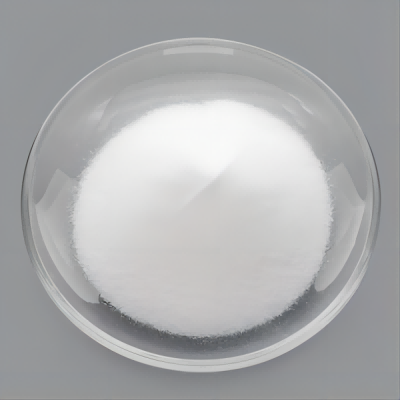
Dextrose monohydrate/D-Glucose monohydrate CAS:5996-10-1 Manufacturer Supplier
Glucose is a monosaccharide sugar found in honey and fruits. It is the primary product of plant photosynthesis, which is optically active and dextrorotatory.Glucose and its derivatives are critically important in the energy metabolism of living organisms. It is transported around the animal body through blood, and by lymph and cerebrospinal fluid, to cells where the energy is released during glycolysis.A monosaccharide occurring widely in nature as D-glucose. It occurs as glucose units in sucrose, starch, and cellulose. It is important to metabolism because it participates in energy-storage and energy-release systems.
-
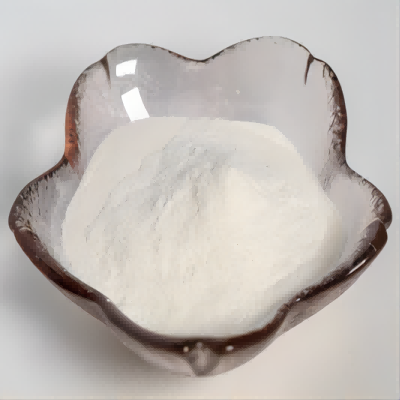
Stachyose CAS:54261-98-2 Manufacturer Supplier
Stachyose is similar to some water-soluble dietary fiber. It is non-toxic and can be eaten directly.Stachyose has a very obvious proliferation effect on beneficial bacteria such as bifidobacterium and lactobacillus in human gastrointestinal tract, and can rapidly improve the environment of human digestive tract.Stachnose is not damaged in the stomach, small intestine and other organs of the human body, and can directly reach the large intestine where the beneficial bacteria community is located, significantly promoting the proliferation of bifidobacteria.
-
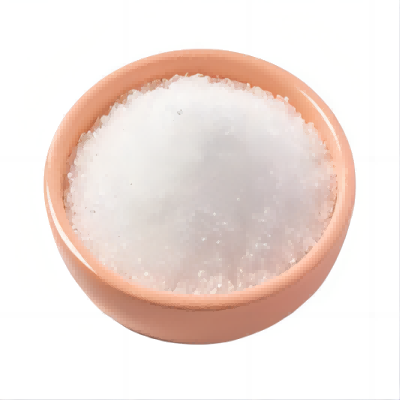
Potassium Citrate CAS:866-84-2 Manufacturer Supplier
Potassium citrate is a potassium salt of citric acid with the molecular formula C6H5K3O7. It is a white, slightly hygroscopic crystalline powder. It is odorless with a saline taste.As a food additive, potassium citrate is used to regulate acidity and is known as E number E332. Medicinally, it may be used to control kidney stones derived from either uric acid or cystine.
-
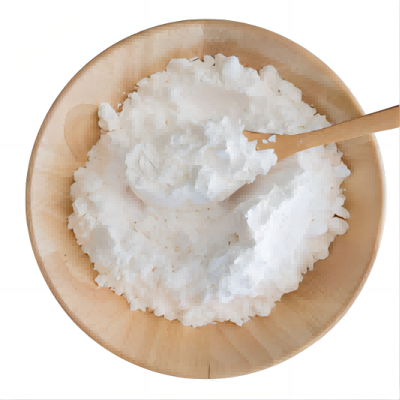
Isomalt CAS:64519-82-0 Manufacturer Supplier
Isomalt is a sugar-free sweetener that is used as an alternative to sugar due to its physical properties. Sugar alcohols such as Isomalt are absorbed sparingly into the small intestines hence it has an insignificant effect on blood sugar concentration. Isomalt provides a wide range of other benefits such as low hygroscopicity, a natural taste, minimal calories per gram and it is tooth-friendly. This sweetener can be used by anyone and it can also be beneficial as it promotes gut health in people who are on low-carb diets and diabetic patients.
-

Sodium Diacetate CAS:126-96-5 Manufacturer Supplier
Sodium Diacetate is a preservative, sequestrant, acidulant, and fla- voring agent that is a molecular compound of sodium acetate and acetic acid which yields acetic acid. it is a white crystalline powder which is hygroscopic. it functions against mold and bacteria and is used in bread. it is also termed sodium hydrogen diacetate.

