-
Stevioside CAS:471-80-7 Manufacturer Supplier
Steviol is an ent-kaurane diterpenoid that is 5beta,8alpha,9beta,10alpha-kaur-16-en-18-oic acid in which the hydrogen at position 13 has been replaced by a hydroxy group. It has a role as an antineoplastic agent. It is a tetracyclic diterpenoid, a tertiary allylic alcohol, a monocarboxylic acid, a bridged compound and an ent-kaurane diterpenoid. It is a conjugate acid of a steviol(1-).
-
Sodium Tartrate CAS:868-18-8 Manufacturer Supplier
Sodium tartrate is used as an emulsifier and a binding agent in food products such as jellies, margarine, and sausage casings. As a food additive, it is known by the E number E335.Because its crystal structure captures a very precise amount of water, it is also a common primary standard for Karl Fischer titration, a common technique to assay water content.
-
D-Galactose CAS:59-23-4 Manufacturer Supplier
D-Galactose is a monosaccharide sugar that serves as an energy source and glycosylation component. It is a C-4 epimer of glucose and often used as a source of carbon in culture media. Galactose is a component of the disaccharide lactose and released upon hydrolysis by β-galactosidase enzymes. It is converted to glucose via the Leloir pathway or metabolized via an alternative pathway, such as the DeLey-Doudoroff pathway.
-
Sodium Saccharin CAS:6155-57-3 Manufacturer Supplier
Saccharin sodium dihydrate is the sodium dihydrate form of saccharin, which belongs to the family of aromatic homomonocyclic compounds. It is an artificial sweetener that is hundreds times as sweet as sucrose. It is mainly used as a food additive to sweeten many products such as drinks, candies, cookies, and medicine. Saccharin is relatively safe for human beings without providing food energy and any nutritional value. It is also safe for diabetes patients to consume.
-
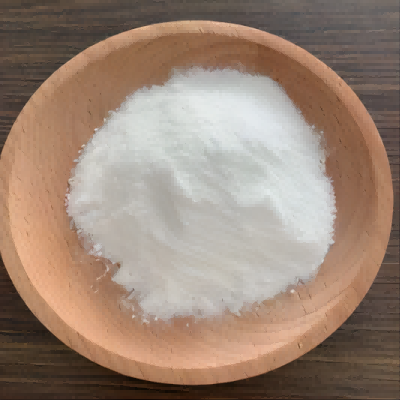
Tripotassium Phosphate (TPP) CAS:7778-53-2 Manufacturer Supplier
Potassium phosphate is a reagent with high buffering capacity, It serves as a buffering agent to regulate pH, Typically used as a component for a wide variety of media used in the culture of microorganisms, as a component in phosphate buffered saline (PBS). It occurs in several forms: monobasic, dibasic, and tribasic (K3PO4). Most pH neutral potassium phosphate buffer solutions consist of mixtures of the monobasic and dibasic forms to varying degrees, depending on the desired pH. Gomori buffers, the most commonly used phosphate buffers, consist of a mixture of monobasic dihydrogen phosphate and dibasic monohydrogen phosphate. By varying the amount of each salt, a range of buffers can be prepared that buffer well between pH 5.8 and pH 8.0 (please see the tables below). Phosphates have a very high buffering capacity and are highly soluble in water.
-
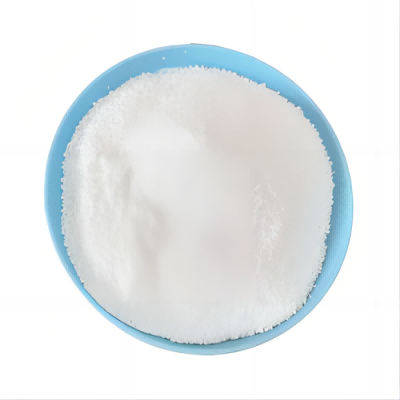
Potassium Carbonate CAS:584-08-7 Manufacturer Supplier
Potassium carbonate, also known as potash or pearl ash, appears as a white powder or as colorless solid crystal with salty taste and deliquescence. It can be dissolved in water to form a strongly alkaline solution. However, it is insoluble in organic solvents such as ethanol. It has wide applications. For example, it can be used as a drying agent, buffering agent and a source of potassium in laboratory. It can also be used for the manufacturing of fire extinguishers, soap, glass, and soften water.
-
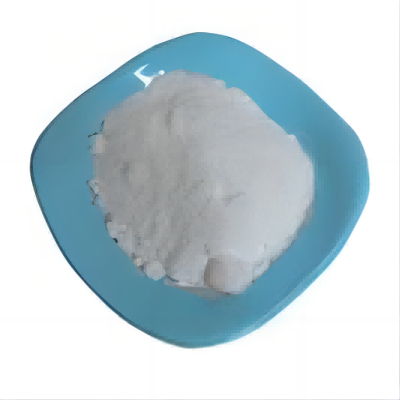
Zinc Gluconate CAS:4468-02-4 Manufacturer Supplier
Zinc gluconate is an organic zinc supplement with fewer side effects than zinc sulfate and better absorption as well. It has certain efficacy on the treatment of zinc deficiency caused growth retardation, malnutrition, anorexia, recurrent oral ulcers, acne and senile zinc deficiency as well as immune dysfunction. It is mainly absorbed in the small intestine after oral administration with 1h reaching the peak but declining at about 2h. In the body, it is widely distributed in the liver, intestine, spleen, pancreas, heart, kidney, lung, muscle, central nervous system and bone. It is mainly excreted by the feces with a small amount excreted through the urine and milk. The bioavailability of it is about 1.6 times as high as that of zinc sulfate.
-
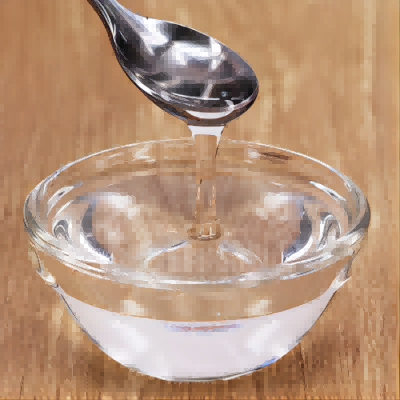
High Fructose corn syrup/HFCS CAS:8029-43-4 Manufacturer Supplier
CORN SYRUP is a complex combination obtained by the hydrolysis of starch by the action of acids or enzymes. It consists primarily of D-glucose, maltose and maltodextrins.
-
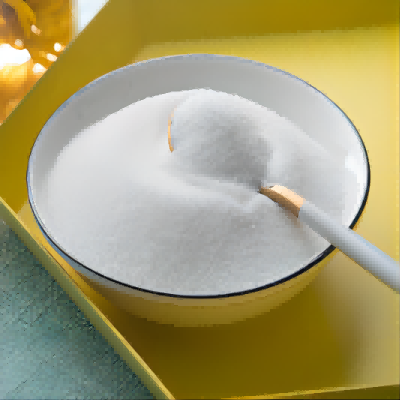
Potassium Tartrate CAS:921-53-9 Manufacturer Supplier
Potassium tartrate is the potassium salt of tartaric acid. It is often confused with potassium bitartrate, also known as cream of tartar. As a food additive, it shares the E number E336 with potassium bitartrate.
-
Anethole CAS:104-46-1 Manufacturer Supplier
Anethole is the main component of anise, star anise and fennel oils. It is used in the food and cosmetic industries, in bleaching colors photography and as an embedding material. Is mainly a cause of intolerance to toothpaste but may cause contact dermatitis in food handlers.
-
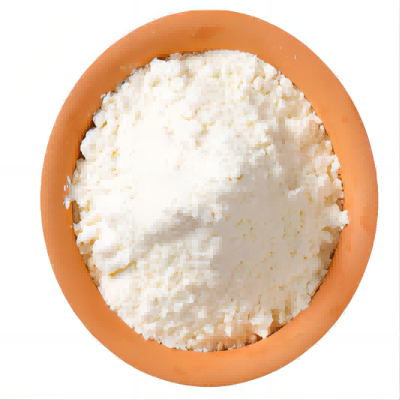
Naringin Dihydrochalcone/Naringin DC CAS:18916-17-1 Manufacturer Supplier
Naringin dihydrochalcone, sometimes abbreviated to naringin DC, is an artificial sweetener derived from naringin, a bitter compound found in citrus. Abbreviated to Naringin DC, Naring dihydrochalcone is a semisynthesis sweetener derived from naringin, a bitter substance from grapefruit. To minimizing the bitterness in orange juice, as a part US program, Naringin dihydrochalocne is found at that time. After treated with potassium hydroxide or another strong base, then it catalysically hydrogenated to the dihydrochalcone, the new sweetener may be 300-800 times sweeteness than sugar at threshold concentrations.
-

Calcium L-Aspartate CAS:21059-46-1 Manufacturer Supplier
Calcium L-aspartate is an organic molecular entity.Calcium L-Aspartate is a kind of white powder, odourless, hygroscopicity, soluble in water, insoluble in organic solvent, high absorption rate, water solution with pale white becomes clear, after the side effects are not clear, the structure stability is good.

