-

D-Arabinose CAS:28697-53-2 Manufacturer Supplier
Arabinose is an aldopentose which is more common than D-arabinose in nature. Arabinose is a Zero-Calorie sweetener and L-arabinose can inhibit the Sucrase so that the Sucrose cannot be broken up into Fructose and Glucose. Therefore, it can prevent fat accumulation and protect against diabetes.
-
Fructo-oligosaccharide/FOS CAS:308066-66-2 Manufacturer Supplier
Fructooligosaccharides (FOS) are a form of water-soluble carbohydrate. Composed of short fructose chains, they cannot be digested by the human body. As well as being considered a prebiotic, FOS are commonly used as an alternative sweetener in certain foods and even used as a medicine.Fructooligosaccharides (FOS) are oligosaccharides that occur naturally in plants such as onion, chicory, garlic, asparagus, banana, artichoke, among many others. They are composed of linear chains of fructose units, linked by beta (2-1) bonds.
-
Potassium Pyrophosphate CAS:7320-34-5 Manufacturer Supplier
Potassium pyrophosphate, also known as tetra-sodium pyrophosphate, is made from the melting of di-potassium phosphate which causing it loss of one water molecule. At room temperature, it is as a white crystalline powder or granules and has a strong moisture absorption capability in air and is easily soluble in water but insoluble in ethanol. Its aqueous solution is alkaline and has effect on inhibition of food spoilage and fermentation.
-
Zinc Oxide CAS:1314-13-2 Manufacturer Supplier
Zinc oxide occurs in nature as mineral zincite. It is the most important zinc compound and has numerous industrial applications. Zinc oxide is the pigment in white paints. It is used to make enamels, white printing inks, white glue, opaque glasses, rubber products and floor tiles. It is used in cosmetics, soaps, pharmaceuticals, dental cements, storage batteries, electrical equipment, and piezoelectric devices. Other applications are as a flame retardant, as a UV absorber in plastics, and a reagent in analytical chemistry. A major application of zinc oxide is in the preparation of most zinc salts. In medicine, the compound is used as an antiseptic, an astringent and a topical protectant.
-
L-Arabinose CAS:5328-37-0 Manufacturer Supplier
L-Arabinose is considered a rare sugar that can be found naturally within the structures of most fruits and vegetables. Due to its low caloric sweetening effects, arabinose is commonly used in nutritional supplements and prescription drugs. In addition to its sweetening effects, when reacted with amino acid blends, using the Maillard Reaction, arabinose is able to contribute to the production of savory and meaty flavors used within the food and flavor industry.L-Arabinose is commonly used in the Flavor Industry to produce meaty or cooked/roasted flavors.
-
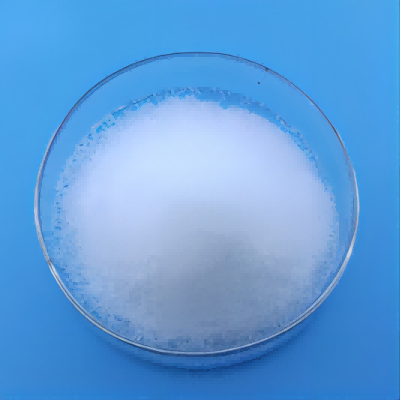
Sodium Tripolyphosphate (STPP) CAS:7758-29-4 Manufacturer Supplier
Sodium Tripolyphosphate is commonly used as a builder and water softener in detergents and cleaning products. It helps improve the cleaning efficiency by preventing the precipitation of minerals that can interfere with the cleaning process.- Sodium Tripolyphosphate is used in the food industry as a food additive and preservative. It is used to enhance the texture and moisture retention of processed meat and seafood products.
-
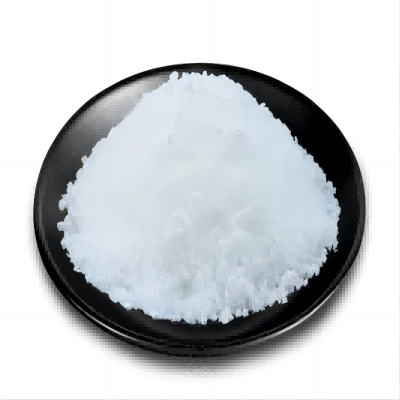
Sodium Phosphate CAS:7601-54-9 Manufacturer Supplier
Trisodium phosphate (TSP) is an inorganic salt used as industrial detergents, metal treatment and in toilet floor cleaners. TSP is pure cleaning power. Used as a water softener; for the treatment of boiler water; as a paint remover; in photographic developers; for tanning leather; for manufacturing paper; for clarifying sugar.It is also commonly present in cheese sauces as an emulsifier. Trisodium phosphate is a strong chemical and can cause severe eye damage and can burn unprotected skin. Poisoning occurs if you swallow, breathe in, or spill large amounts of this substance on your skin.
-
Monopotassium Phosphate Anhydrous (MKPA) CAS:7778-77-0 Manufacturer Supplier
Potassium dihydrogen phosphate is a kind of highly efficient and rapid dissolving phosphorus and potassium compound fertilizer containing, phosphorus and potassium, two elements for providing the necessary nutrients for plant growth and development, being applicable to any soil and crop, especially being applicable to the treatment of regions of simultaneous lack of phosphorus and potassium nutrients and phosphorus-preferred and potassium-preferred crops. It is mostly used for root top dressing, seed soaking, and seed dressing, being able to yield significant effect. If it sued for the roots fertilization, it can be used as basal fertilizer, seed fertilizer or moderate-late phase topdressing.
-
Trehalose CAS:99-20-7 Manufacturer Supplier
Trehalose is a nonreducing disaccharide in which the two glucose molecules are linked together in an α,α-1,1-glycosidic linkage. α,α-trehalose is the only anomer of trehalose, which has been isolated from and biosynthesized in living organisms. This sugar is present in a wide variety of organisms, including bacteria, yeast, fungi, insects, invertebrates, and lower and higher plants, where it may serve as a source of energy and carbon. It can be used as a stabilizer and protectant of proteins and membranes: protection from dehydration; protection from damage by oxygen radicals (against oxidation); protection from cold; as a sensing compound and/or growth regulator; as a structural component of the bacterial cell wall. Trehalose is used in the biopharmaceutical preservation of labile protein drugs and in the cryopreservation of human cells. It is used as an ingredient for dried and processed food, and as an artificial sweetener, with a relative sweetness of 40-45% that of sucrose.
-

Zinc Citrate Dihydrate CAS:5990-32-9 Manufacturer Supplier
Zinc citrate dihydrate can be used as nutrition fortifier, zinc fortifier, and can be used in food, health care products and medical treatment.Zinc citrate is suitable for the manufacture of tablet nutritional supplements and powdery mixed food as an organic zinc supplement ;Because of its chelating function, it can increase the clarity of fruit juice drinks and the crisp acidity of fruit juice, so it is widely used in fruit juice drinks.Meanwhile it can also be used in cereals and their products and salt .
-
Galacto-oligosaccharide/GOS CAS:6587-31-1 Manufacturer Supplier
GOS is galacto-oligosaccharide with great similarities to the composition of human milk, and is highly promoted for use in the infant formula and healthfoods because of its combination of benefits and safety.
-

Sodium Acid Pyrophosphate (SAPP) CAS:7758-16-9 Manufacturer Supplier
Sodium Pyrophosphate Dibasic is anhydrous form, pyrophosphate salt used in buffers.Disodium diphosphate is used as a (tropically stable) acid carrier in baking powder, for improvement of flow properties in flour, for pH regulation, and in dental care products for prevention of tartar formation.