-
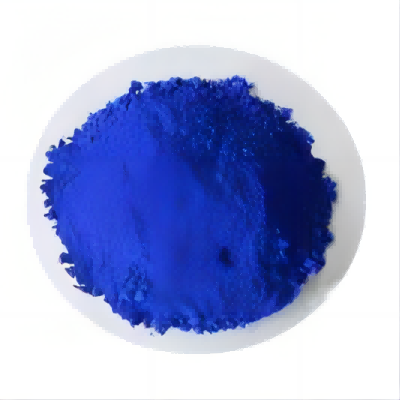
Vanadyl Sulfate CAS:27774-13-6 Manufacturer Supplier
Vanadyl sulfate is a vanadium coordination entity and a metal sulfate.Vanadyl(IV) sulfate, VOSO4, is a inorganic compound of vanadium. This very hygroscopic blue solid is one of the most common sources of vanadium in the laboratory, reflecting its high stability. It features the vanadyl ion, VO2+, which has been called the ”most stable diatomic ion.”
-
Natamycin/Pimaricin CAS:7681-93-8 Manufacturer Supplier
Pimaricin (also known as natamycin, INN) belongs to a naturally occurring antifungal agent produced through the fermentation of the bacterium Streptomyces natalensis. It is a kind of macrolide polyene antifungal used for the treatment of fungal keratitis, which is a kind of eye infection. In medical field, it can be used for the treatment of various kind of fungal infections caused by Candida, Aspergillus, Cephalosporium, Fusarium, and Penicillium. In food industry, it can be used as a natural preservative to prevent fungal outgrowth. Its mechanism of action is through binding to the ergosterol in the plasma membrane of fungi, inhibiting the process of ergosterol-dependent fusion of vacuoles and membrane fusion, further inhibiting the fungal growth. It also inhibit the transport of amino acid and glucose through inhibiting membrane transport proteins.
-
Inulin CAS:9005-80-5 Manufacturer Supplier
Inulin is a nondigestible oligosaccharide containing fructose which provides texture, rheology, dietary fiber properties, and selective fer- mentation by colon bacteria. commercially obtained from chicory root; common sources include onion, garlic, leek, asparagus, and jerusalem artichoke. it is a hygroscopic powder with solubility in water dependent on water temperature. with increasing concentra- tion, viscosity gradually increases, and at about 30% concentration, it can form discrete particle gels which are characterized as creamy and fat-like. it is not hydrolyzed by the digestive system. it func- tions as a prebiotic, passing into the colon where it is preferentially fermented by healthy bacteria such as bifidobacteria and lactobacilli to increase their proliferation and inhibit unwanted bacteria. it is used in ice cream products to replace fat and sugar, and in baked goods.
-
Sodium Dehydroacetate CAS:4418-26-2 Manufacturer Supplier
Sodium dehydroacetate is the sodium salt of dehydroacetate. It is mainly used as a new generation food preservative and food additive, being used extensively in sauce, fruit, bread, cake, moon cake, margarine and beverage. Sodium dehydroacetate (DHA-S) has a wide spectrum of antimicrobial activity that accounts for its use in cosmetic products as a preservative and antimicrobial agent. It is effective in the treatment of both bacteria and fungi. It is also a kind of anticoagulant agent through depleting the blood level of vitamin K.
-
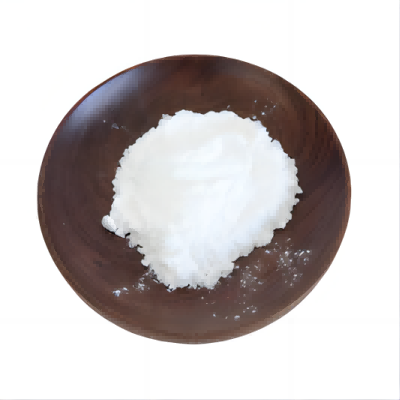
Neohesperidine Dihydrochalcone/Neohesperidin DC/NHDC CAS:20702-77-6
Neohesperidin dihydrochalcone is a member of the dihydrochalcones that is 3,2′,4′,6′-tetrahydroxy-4-methoxydihydrochalcone attached to a neohesperidosyl residue at position 4′ via glycosidic linkage. It is found in sweet orange. It has a role as an environmental contaminant, a xenobiotic, a plant metabolite and a sweetening agent. It is a neohesperidoside, a disaccharide derivative and a member of dihydrochalcones.
-

Lactic Acid CAS:50-21-5 Manufacturer Supplier
Lactic acid (2-hydroxypropionic acid, CH3-CHOH-COOH) is the most widely occurring organic acid in nature. Due to its chiral a-carbon atom, lactic acid (LA) has two enantiomeric forms. Of these, L-(+)-lactic acid is more important in food and pharmaceutical industries because humans have only L-lactate dehydrogenase. The chemical behavior of lactic acid is mostly determined by the two functional groups. Besides the acidic character in aqueous medium, the bifunctionality (a terminal carboxylic acid and a hydroxyl group) allows lactic acid molecules to form ‘‘interesters’’ such as the cyclic dimers, the trimers, or longer lactic acid oligomers.
-
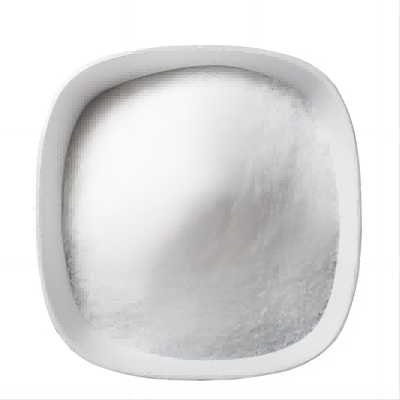
Sucralose CAS:56038-13-2 Manufacturer Supplier
Sucralose is the only non-caloric sweetener made from sugar. It is in fact the latest non nutritive sweetener to have been approved by US FDA and other regulatory bodies and have hit the markets .Sucralose is derived from sugar through a multi-step patented manufacturing process that selectively substitutes three atoms of chlorine for three hydroxyl groups on the sugar molecule. This change produces a sweetener that has no calories, yet is 600 times sweeter than sucrose, making it roughly twice as sweet as saccharin and four times as sweet as aspartame.
-

Proteinase K for tritirachium album CAS:39450-01-6
Proteinase K is an enzyme that is derived from the fungus Tritirachium album. It belongs to the class of serine proteases and is known for its ability to efficiently degrade proteins. Proteinase K is widely used in molecular biology and biochemistry research due to its robust activity and broad substrate specificity. It is able to cleave peptide bonds at the carboxyl side of aromatic, hydrophobic, and some small neutral amino acids, making it suitable for protein digestion in a variety of applications. Proteinase K is commonly used for DNA and RNA extraction protocols to remove proteins that may interfere with downstream analysis. It is also utilized in protein characterization studies, protein sequencing, and protein structural studies.
-
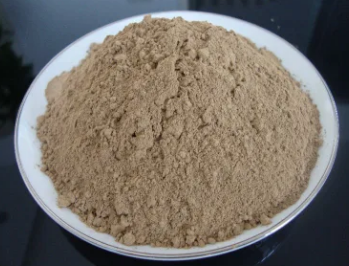
Proteinase,Streptomyces griseus CAS:9036-06-0
Proteinase produced by Streptomyces griseus is an enzyme that belongs to the class of proteases, also known as proteinases or peptidases. Proteases are enzymes that catalyze the hydrolysis of peptide bonds in proteins, leading to their breakdown into smaller peptides or amino acids.
The proteinase produced by Streptomyces griseus is specifically derived from this bacterium. Streptomyces griseus is a Gram-positive, filamentous bacterium that is known to produce various enzymes and antibiotics. The proteinase produced by this bacterium is characterized by its ability to cleave peptide bonds in proteins, resulting in their degradation.
Proteinases from Streptomyces griseus have been widely studied for their industrial applications, such as in the food industry for meat tenderization and cheese production. They are also used in various biotechnological processes, including protein engineering, protein digestion for analysis, and in the production of bioactive peptides.
-
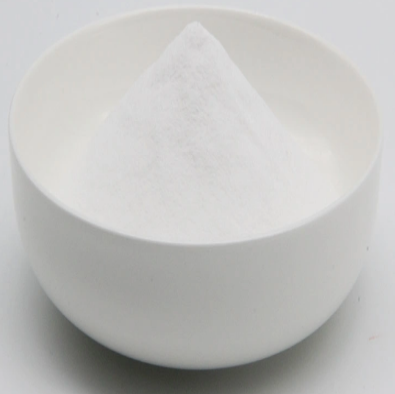
RNase A from bovine pancreas CAS:9001-99-4
RNase A, also known as ribonuclease A, is an enzyme derived from the pancreas of bovine (cow) animals. It is a small protein that specifically targets and degrades the RNA molecules present in cells. RNase A is commonly used in molecular biology research to remove or degrade RNA from DNA samples in order to study and manipulate DNA without interference from RNA. It is also used in RNA purification processes, such as RNA extraction and RNA sequencing, to eliminate RNA contaminants and obtain pure RNA samples. RNase A has high specificity for single-stranded RNA and functions optimally under mild acidic conditions. It is widely used in various laboratory techniques and applications involving nucleic acids.
-
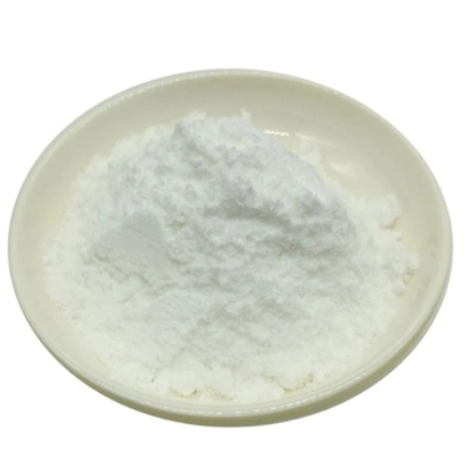
Papain CAS:9001-73-4 Manufacturer Price
Papain is a proteolytic enzyme derived from the papaya fruit (Carica papaya). It belongs to the family of cysteine proteases and has the ability to break down proteins into smaller peptides and amino acids. Papain is widely used in various industries, including food, pharmaceuticals, and cosmetics, due to its digestive, anti-inflammatory, and exfoliating properties. It is commonly used as a meat tenderizer, digestive aid, wound healer, and ingredient in skincare products.
-
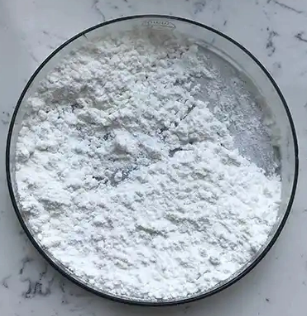
superoxide dismutase CAS:9054-89-1
Superoxide dismutase (SOD) is an enzyme that plays a crucial role in the antioxidant defense system of cells. Its primary function is to catalyze the conversion of superoxide radicals into hydrogen peroxide and molecular oxygen. This reaction helps protect cells from highly reactive and damaging free radicals produced during various metabolic processes.
Superoxide radicals are generated as byproducts of processes such as respiration and inflammation, and they can cause cellular damage by promoting oxidative stress. SOD helps mitigate this damage by rapidly transforming superoxide radicals into less harmful hydrogen peroxide, which can be further broken down by other enzymes.
There are different forms of SOD, including copper/zinc SOD (Cu/Zn SOD), manganese SOD (Mn SOD), and extracellular SOD (EC SOD), each found in different cellular compartments. The presence of SOD in cells is crucial for maintaining proper oxidative balance and preventing oxidative damage to important cellular components, such as DNA, proteins, and lipids.