-
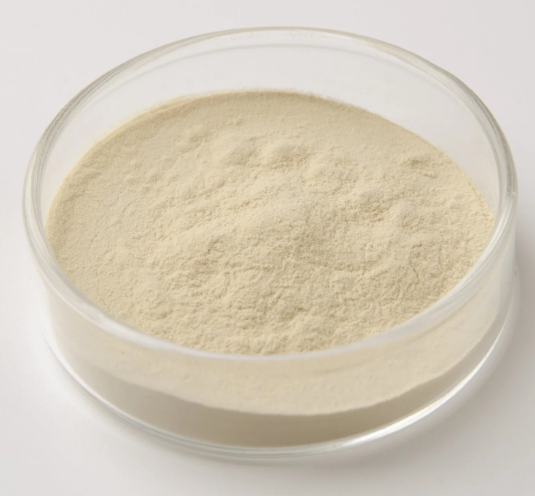
Lipase from porcine pancreas CAS:9001-62-1
Lipase is an enzyme that catalyzes the hydrolysis of lipids, specifically the breakdown of triglycerides into fatty acids and glycerol. It is produced by various organisms, including animals, plants, and microorganisms. Lipase plays a crucial role in digestion, as it helps in the breakdown and absorption of dietary fats in the small intestine. Additionally, lipase has numerous applications in industries such as food processing, detergent manufacturing, pharmaceuticals, and biofuel production. Its ability to hydrolyze lipids makes it valuable for tasks such as lipid modification, flavor enhancement, and oil extraction.
-
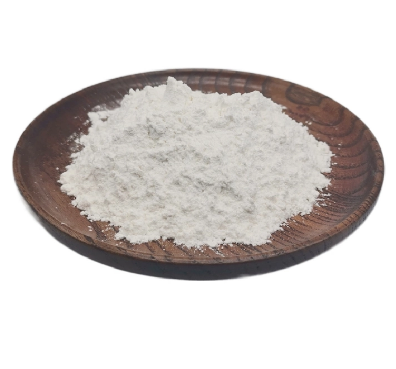
Protein Kinase Supplement KT5823 CAS:126643-37-6
Protein kinase supplement KT5823 is a small molecule inhibitor that specifically targets and inhibits protein kinase activity. Protein kinases are enzymes that phosphorylate proteins by adding phosphate groups to specific amino acid residues, typically serine, threonine, or tyrosine. This phosphorylation process plays a crucial role in various cellular signaling pathways, regulating protein function, and controlling cellular processes such as cell growth, division, differentiation, and apoptosis.
KT5823 is commonly used in research studies to investigate the function and signaling pathways of protein kinases. By inhibiting protein kinases, KT5823 can help researchers determine the specific proteins and pathways affected by kinase activity. This information can be insightful in understanding the role of protein kinases in cellular functions and potentially identifying new therapeutic targets.
-
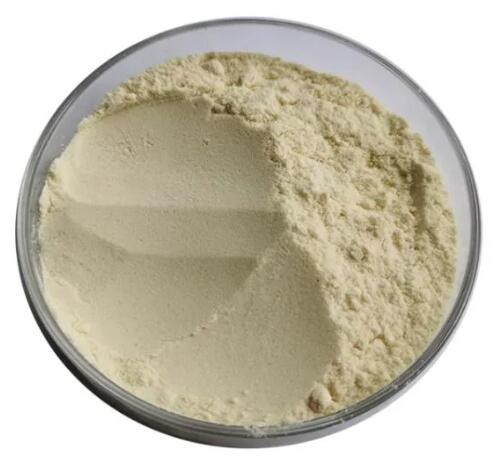
Pyridoxal-5′-phosphate monohydrate CAS:41468-25-1
Pyridoxal-5′-phosphate monohydrate, also known as PLP, is the active form of vitamin B6. It is an essential coenzyme involved in a wide range of enzymatic reactions in the body. PLP plays a vital role in amino acid metabolism, neurotransmitter synthesis, and the synthesis of heme, a component of hemoglobin.
PLP functions as a coenzyme by binding to specific enzymes and aiding in chemical reactions. It acts as a catalyst, facilitating the conversion of various substances, such as amino acids, into different products. PLP is particularly important in the metabolism of amino acids, such as the conversion of tryptophan into serotonin, or the breakdown of glycine into serine.
In addition to its role in amino acid metabolism, PLP is also involved in the synthesis of neurotransmitters like dopamine, norepinephrine, and gamma-aminobutyric acid (GABA). These neurotransmitters are essential for proper brain function and are involved in mood regulation, cognition, and the transmission of signals between nerve cells.
Furthermore, PLP is necessary for the synthesis of heme, a component of hemoglobin found in red blood cells. Hemoglobin is responsible for carrying oxygen throughout the body, making PLP crucial for maintaining normal oxygen levels and ensuring proper functioning of various organs and tissues.
Due to its importance in numerous biochemical processes, PLP supplementation is sometimes recommended for individuals with certain medical conditions or deficiencies that affect vitamin B6 metabolism. It is available in supplement form and can be prescribed by healthcare providers for specific needs.
-
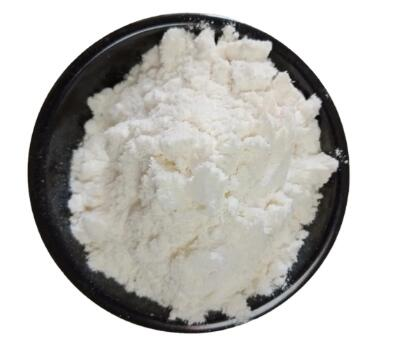
Carboxypeptidase,dipeptidyl, A CAS:9015-82-1
Carboxypeptidase is an enzyme that catalyzes the hydrolysis (breakdown) of peptide bonds at the carboxyl (C-terminal) end of peptides and proteins. It helps in the digestion and processing of proteins by cleaving off individual amino acids from the end of a peptide chain. Carboxypeptidases are classified into two types: exopeptidases, which remove amino acids one at a time from the C-terminal end, and endopeptidases, which cleave peptide bonds within the peptide chain. These enzymes play important roles in various biological processes, including protein metabolism, regulation of hormones, and enzymatic activity regulation.
-

Coenzyme A sodium salt hydrate CAS:55672-92-9
Coenzyme A sodium salt hydrate is a water-soluble form of Coenzyme A (CoA), a vital coenzyme involved in various metabolic pathways. It plays a key role in the breakdown of fats, carbohydrates, and proteins, as well as in the synthesis of important molecules such as fatty acids and cholesterol. Coenzyme A sodium salt hydrate is commonly used in biochemical and pharmaceutical research as a supplement to study cellular metabolism and related processes.
-
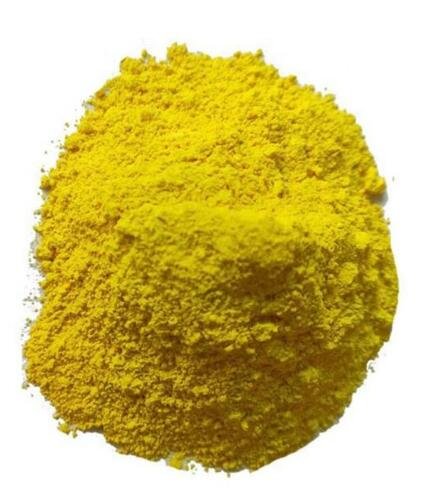
BROMELAIN FROM PINEAPPLE STEM CAS:37189-34-7
Bromelain is a mixture of enzymes derived from the stem of the pineapple plant (Ananas comosus). It is primarily composed of proteases, which are enzymes that break down proteins. Bromelain has been used for centuries in traditional medicine as a natural remedy for various health conditions.
Due to its protein-digesting properties, bromelain is often used as a digestive aid, helping to improve the breakdown and absorption of proteins in the digestive system. It has also been studied for its anti-inflammatory effects and potential benefits for reducing swelling, bruising, and pain.
In addition to its digestive and anti-inflammatory properties, bromelain has been investigated for its potential in various other therapeutic applications, including wound healing, immune system support, and respiratory health.
-
Calpain Inhibitor IV CAS:133407-82-6
Calpain Inhibitor IV is a type of drug that specifically targets and inhibits the activity of the enzyme calpain. Calpain is a calcium-dependent protease enzyme that plays a role in various cellular processes, including cell signaling, apoptosis, and cytoskeletal remodeling.
By inhibiting calpain, Calpain Inhibitor IV helps prevent the excessive and uncontrolled activation of this enzyme, which can lead to cellular damage and dysfunction. This inhibition can be beneficial in conditions where calpain overactivity is implicated, such as neurodegenerative disorders like Alzheimer’s and Parkinson’s diseases, ischemic injury, or muscle degeneration conditions.
-
Carboxypeptidase B CAS:9025-24-5
Carboxypeptidase B is an enzyme that plays a crucial role in protein digestion and metabolism. Specifically, it catalyzes the hydrolysis of peptide bonds at the C-terminal end of proteins, resulting in the removal of individual amino acids.
Carboxypeptidase B is highly specific for basic amino acids, such as lysine and arginine, and is particularly effective in cleaving these residues. It is commonly found in pancreatic secretions and is involved in the final stage of protein digestion in the small intestine.
This enzyme is also utilized in various laboratory applications, including protein sequencing, peptide synthesis, and protein analysis. The ability of carboxypeptidase B to specifically cleave the C-terminal amino acids of proteins makes it a valuable tool for studying protein structure and function.
-
Beta-Amylase CAS:9000-91-3 Manufacturer Price
Beta-amylase is an enzyme that plays a crucial role in carbohydrate metabolism, specifically in the breakdown or hydrolysis of starch molecules. It catalyzes the cleavage of α-1,4-glycosidic bonds in the starch, releasing maltose and a smaller unit called a limit dextrin.
This enzyme is produced in various organisms, including plants, bacteria, and fungi, and is commonly used in industries such as brewing, baking, and biofuel production.
In brewing, beta-amylase plays a vital role in the conversion of starches in malted grains to fermentable sugars during the mashing process, contributing to the production of alcohol by yeast. In baking, it helps to break down starches into sugars, contributing to the browning and flavor development of the baked goods. In biofuel production, beta-amylase is utilized in the hydrolysis of starch-based biomass to obtain fermentable sugars used for ethanol production.
-

Vitamin E Nicotinate CAS:16676-75-8 Manufacturer Supplier
Vitamin E nicotinate is a compound formed by the esterification of vitamin E and niacin. It has the functions of activating the microcirculation system, softening blood vessels, inhibiting platelet aggregation, reducing blood viscosity, and increasing blood oxygen partial pressure. Also Vitamin E nicotinate can improve lipid metabolism, effectively reduce triglycerides, cholesterol and lipid peroxides, increase high-density lipoprotein, and comprehensively regulate blood lipid levels.
-

Vitamin B3 (Nicotinic Acid) CAS:59-67-6 Manufacturer Supplier
Niacin is an additive to food on the basis of its nutrient supplement qualities as a vitamin (as an enzyme co-factor). This water-soluble vitamin of the B complex occurs in various animal and plant tissues. It is required by the body for the formation of coenzymes NAD and NADP. A deficiency of niacin results in the disease, pellagra.
-

Vitamin K4 (Acetomenaphthone) CAS:573-20-6 Manufacturer Supplier
Menadiol Diacetate(Vitamin K4) is essential for efficient blood-clotting and to maintain proper bone calcification. Practically Menadiol Diacetate(Vitamin K4) assists in the treatment of hemorrhagic-type disease, namely coccidiosis.

