-

Calcium Malate CAS:17482-42-7 Manufacturer Supplier
Calcium malate can not only be used in food supplements and nutritional supplements. Calcium plays an important role in the formation of strong bones and teeth and the regeneration of bone tissue after fracture, helping to maintain regular heart rhythm and nerve pulsation.
-
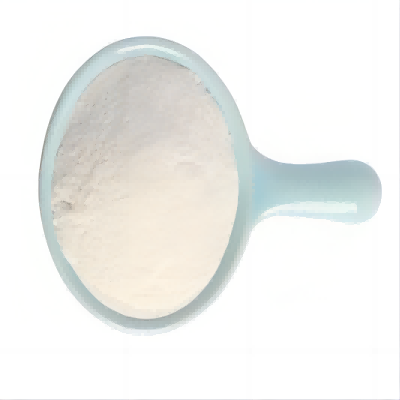
Calcium Carbonate CAS:471-34-1 Manufacturer Supplier
Calcium carbonate occurs in nature as limestone in various forms, such as marble, chalk, and coral. It is probably the most widely-used raw material in the chemical industry. It has numerous applications, primarily to produce cement, mortars, plasters, refractories, and glass as building materials. It also is used to produce quicklime, hydrated lime and a number of calcium compounds. It is produced either as powdered or precipitated calcium carbonate. The latter consists of finer particles of greater purity and more uniform size. They also have many important commercial applications. Various grades of precipitated calcium carbonate are used in several products, such as textiles, papers, paints, plastics, adhesives, sealants, and cosmetics.
-
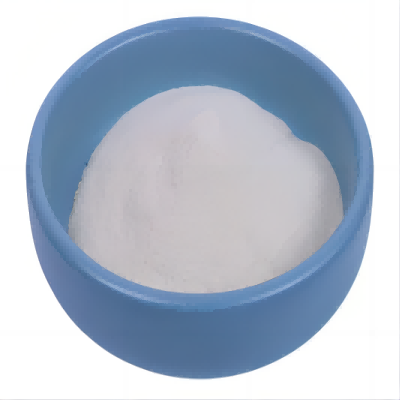
Vitamin E Acetate CAS:7695-91-2 Manufacturer Supplier
Vitamin E Acetate has the functions of anti-aging, improving immunity, and assisting in the treatment of cardio cerebral Vascular disease. It has been widely used in the pharmaceutical industry, health products industry, food industry, and cosmetics industry.Tocopherol and tocopheryl acetate are used mainly as antioxidants. Tocopheryl acetate, an ester of tocopherol (vitamin E), can induce allergic contact dermatitis.DL-α-Tocopherol acetate is a stable ester form of vitamin E, widely used in the formulation of cosmetics for the prevention or correction of skin damage.
-
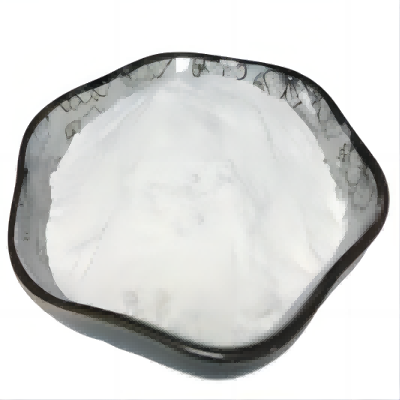
Vitamin B13 (Orotic Acid) CAS:65-86-1 Manufacturer Supplier
Orotic acid (also known as pyrimidinecarboxylic acid) is a heterocyclic acid; it is also known as. Historically it was believed to be part of the vitamin B complex and was called vitamin B13, but it is now known that it is not a vitamin. It is well known as a precursor in biosynthesis of pyrimidines; in mammals it is released from the mitochondrial dihydroorotate dehydrogenase (DHODH) for conversion to UMP by the cytoplasmic UMP synthase enzyme. OA is also a normal part of the diet, being found in milk and dairy products, and it is converted to uridine for use in the pyrimidine salvage pathway predominantly in liver, kidney and erythrocytes.
-
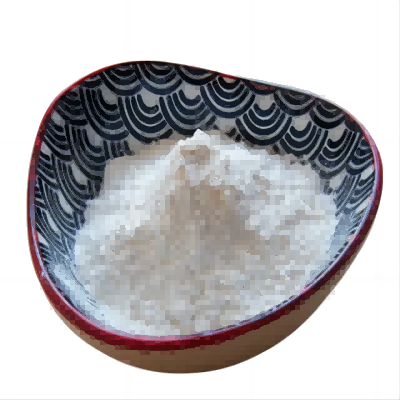
Vitamin Bh (Inositol / Inositol Nicotinate) CAS:87-89-8 Manufacturer Supplier
Inositol belongs to the vitamins B class. Because of the different orientation of the relative ring plane of hydroxyl, it has a total of nine kinds of isomers, including 7 of non-optically active form, two kinds of optically active (L-form and D-form). In nature, it is widely distributed in all living tissues as either free or bound state, and is a common component presented in animal and plant cells. It can be synthesized by gastrointestinal microbes, being involved in carbohydrate and lipid metabolism in the body. It is mainly presented in the form of phosphatidylinositol in animal. It is most abundant in brain, heart and skeletal muscle. It is mainly in the form inositol phosphate in plants, and can bind with calcium, zinc and iron into insoluble compounds, which interfere with their digestion and absorption.
-
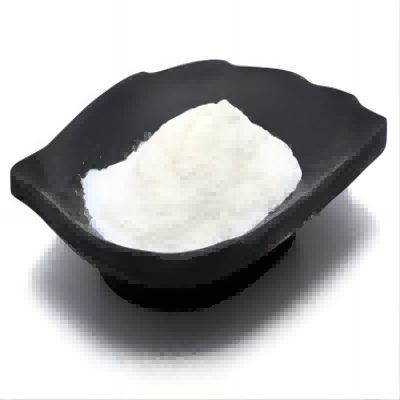
Calcium Phosphate CAS:7758-87-4 Manufacturer Supplier
Calcium Phosphate is the calcium salt of phosphoric acid with widely used applications. It occur abundantly in nature in several forms and are the principal minerals for the production of phosphate fertilizers and for a range of phosphorus compounds. For example, the tribasic variety (precipitated calcium phosphate), Ca3(PO4)2, is the principal inorganic constituent of bone ash. The acid salt Ca(H2PO4)2, produced by treating mineral phosphates with sulfuric acid, is employed as a plant food and stabilizer for plastics. It is a natural constituent of mammals, and it is a component of bone replacement transplants in much higher amounts with no toxicological problems.
-
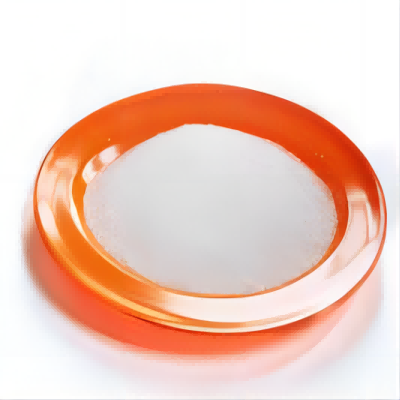
Vitamin E Nicotinate CAS:16676-75-8 Manufacturer Supplier
Vitamin E nicotinate is a compound formed by the esterification of vitamin E and niacin. It has the functions of activating the microcirculation system, softening blood vessels, inhibiting platelet aggregation, reducing blood viscosity, and increasing blood oxygen partial pressure. Also Vitamin E nicotinate can improve lipid metabolism, effectively reduce triglycerides, cholesterol and lipid peroxides, increase high-density lipoprotein, and comprehensively regulate blood lipid levels.
-
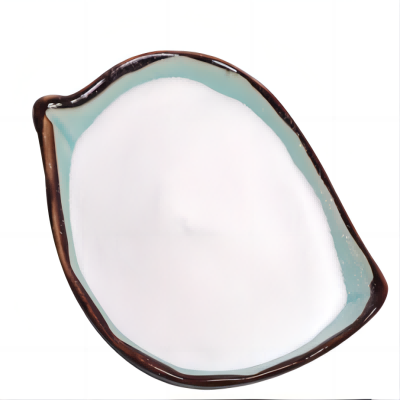
Vitamin B3 (Nicotinic Acid) CAS:59-67-6 Manufacturer Supplier
Niacin is an additive to food on the basis of its nutrient supplement qualities as a vitamin (as an enzyme co-factor). This water-soluble vitamin of the B complex occurs in various animal and plant tissues. It is required by the body for the formation of coenzymes NAD and NADP. A deficiency of niacin results in the disease, pellagra.
-

Vitamin K4 (Acetomenaphthone) CAS:573-20-6 Manufacturer Supplier
Menadiol Diacetate(Vitamin K4) is essential for efficient blood-clotting and to maintain proper bone calcification. Practically Menadiol Diacetate(Vitamin K4) assists in the treatment of hemorrhagic-type disease, namely coccidiosis.
-
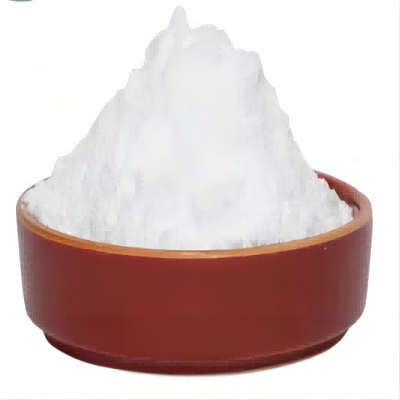
Calcium Pyruvate CAS:52009-14-0 Manufacturer Supplier
Calcium pyruvate is the calcium salt of pyruvate. It is very stable. It appears as white crystalline powder and is odorless and almost neutral. It is slightly soluble in water. Pyruvate, however, is extremely unstable and is easily to be oxidized with weak oxidant Fe and H2O2 being able to oxidize the pyruvate into acetate and release the carbon dioxide at the same time. Pyruvate is the intermediate product during the in vivo carbohydrate metabolism in the body of the organisms as well as the indispensable transit point for both protein and lipid metabolism to go through. In natural environment, it is a colorless liquid with a pungent odor. It has a boiling point of 165 ℃ (decomposition). It is easily soluble in water, in addition to having the typical properties of both hydroxy acids and ketones, it also has the characteristics of a-keto acid. Pyruvate is the simplest a-keto acid (belonging hydroxy acid).
-
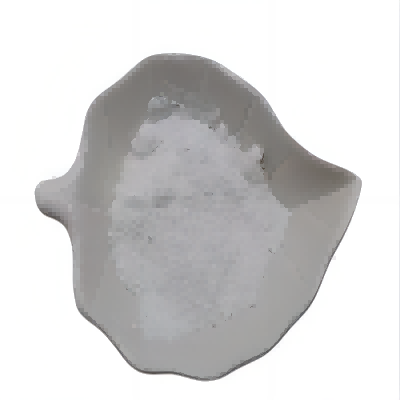
Calcium Chloride CAS:10043-52-4 Manufacturer Supplier
Calcium Chloride is a water soluble ionic crystal with a high enthalpy change of solution. It is majorly derived from limestone and is a by-product of the Solvay process. It is an anhydrous salt that has a hygroscopic nature and can be used as a desiccant.Calcium chloride is colorless deliquescent solid that is soluble in water and ethanol. It is formed from the reaction of calcium carbonate and hydrochloric acid or calcium hydroxide and ammonium chloride. It is used in medicine, as an antifreeze, and as a coagulant.
-
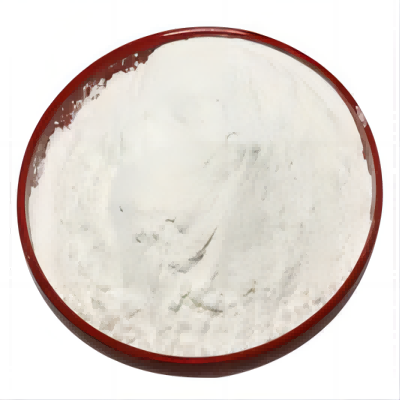
Vitamin B4 (Adenine phosphate) CAS:73-24-5 Manufacturer Supplier
Adenine is one of the purine nitrogenous bases that composes DNA and RNA; composed of two carbon–nitrogen rings. Adenine bonds with thymine in DNA and with uracil in RNA (see base pairing rule); it is also a major component of other molecules such as adenosine triphosphate.