-
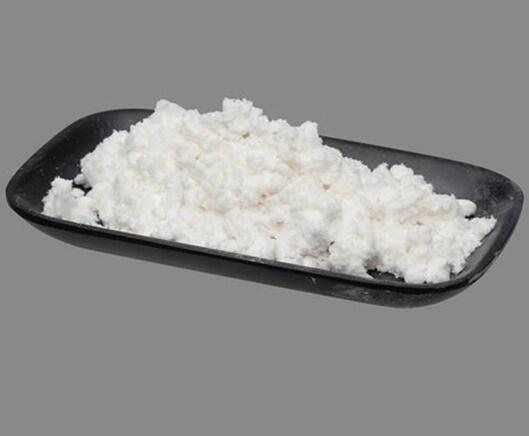
Ampicillin sodium salt CAS:69-52-3 Manufacturer Price
Ampicillin sodium is a broad-spectrum antibiotic that belongs to the penicillin class of drugs. It is effective against various bacteria, including both Gram-positive and Gram-negative species. Ampicillin sodium works by inhibiting the synthesis of bacterial cell walls, leading to the destruction of the bacteria.
This antibiotic is commonly used for the treatment of various infections, such as respiratory tract infections, urinary tract infections, skin and soft tissue infections, gastrointestinal infections, and certain types of meningitis.
-
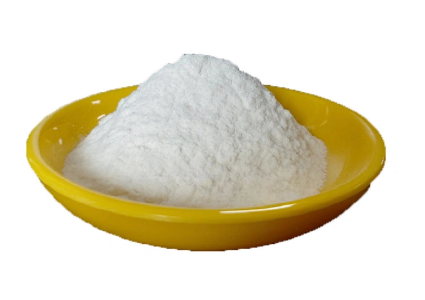
Coenzyme A free acid CAS:85-61-0 Manufacturer Price
Coenzyme A (CoA) is a molecule that plays a crucial role in several metabolic pathways in the body. Coenzyme A free acid refers to CoA in its unbound or unconjugated form. It consists of three main components: adenine, a ribose sugar, and pantothenic acid (vitamin B5). Coenzyme A acts as a carrier molecule, shuttling acetyl groups (two carbon units) between different enzymes and reactions involved in energy metabolism, fatty acid synthesis, and the breakdown of fats, carbohydrates, and amino acids. Coenzyme A free acid is essential for the proper functioning of numerous cellular processes and is involved in maintaining cellular energy homeostasis.
-

Streptavidin from Streptomyces avidinii CAS:9013-20-1
Streptavidin is a protein derived from the bacterium Streptomyces avidinii. It shares similar characteristics to avidin, another biotin-binding protein, but with some differences in binding affinity and stability. Streptavidin is widely used in biotechnology and research, primarily due to its strong and specific binding to biotin. This binding affinity is utilized in various applications, including protein purification, detection assays, targeted drug delivery, molecular biology techniques, imaging, and diagnostics. Streptavidin’s versatility and reliability make it an essential tool in numerous scientific and medical fields.
-
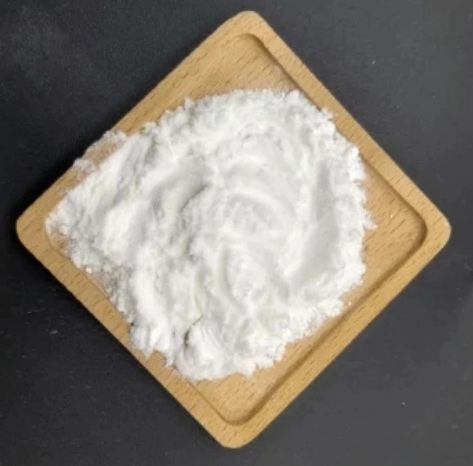
L-Arginine CAS:74-79-3 Manufacturer Price
L-Arginine is an amino acid that the body uses to produce nitric oxide, which helps relax and widen blood vessels. This can improve blood flow, enhance exercise performance, support immune function, potentially treat erectile dysfunction, regulate blood pressure, and provide antioxidant benefits.
-
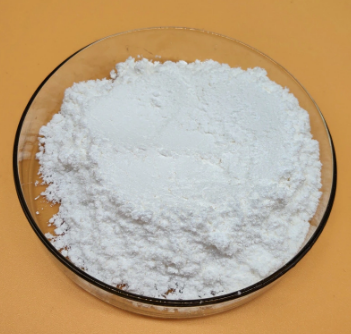
D-Alanine CAS:338-69-2 Manufacturer Price
D-Alanine, also known as D-alanine or D-Ala, is a non-essential amino acid that plays a crucial role in the formation and function of certain proteins and enzymes in the body. It is one of the building blocks of the bacterial cell wall and is involved in the synthesis of the neurotransmitter GABA (gamma-aminobutyric acid).
D-Alanine is found naturally in some foods, such as meat, poultry, and dairy products, and can also be produced by the body from other amino acids. Supplemental forms of D-Alanine are available and are sometimes used for specific purposes.
-
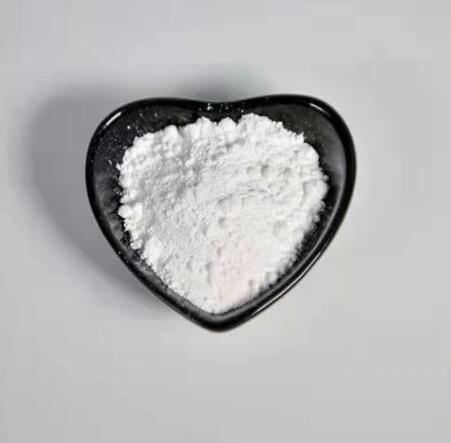
Tobramycin Base CAS:32986-56-4
Tobramycin Base is a broad-spectrum antibiotic that belongs to the family of aminoglycosides. It is commonly used in the treatment of bacterial infections, particularly those caused by gram-negative bacteria. Tobramycin Base works by inhibiting protein synthesis in bacteria, which ultimately leads to their death.
-
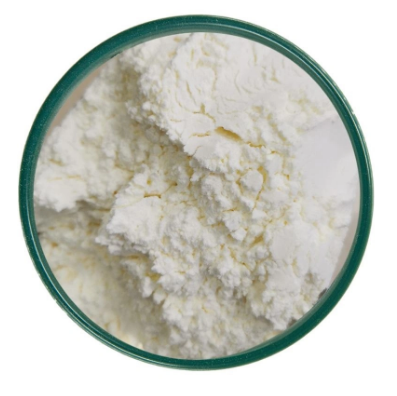
Casein CAS:9000-71-9 Manufacturer Price
Casein is a type of protein found in milk, making up about 80% of the total protein content. It is a complete protein, meaning it contains all the essential amino acids needed by the body. Casein is known for its slow digestion and absorption rate, providing a sustained release of amino acids into the bloodstream. This makes it popular as a dietary supplement for athletes and bodybuilders, as it can help support muscle recovery and growth. It is also used in the food industry as an ingredient in products like cheese, yogurt, and protein powders.
-
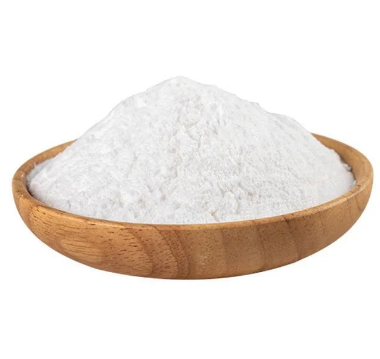
Cefotaxime sodium salt CAS:64485-93-4
Cefotaxime sodium salt is a broad-spectrum antibiotic that belongs to the cephalosporin class. It is widely used in medical and veterinary fields for the treatment of bacterial infections. Cefotaxime works by inhibiting the growth of bacteria by interfering with the synthesis of their cell walls. It is effective against a wide range of gram-negative and gram-positive bacteria, including strains that are resistant to other antibiotics. Cefotaxime sodium salt is commonly administered intravenously, but it can also be given as an intramuscular injection. It is often used to treat respiratory tract infections, urinary tract infections, skin and soft tissue infections, sepsis, meningitis, and other bacterial infections.
-
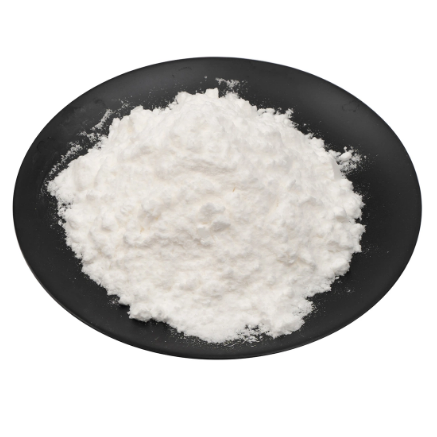
Concanavalin A CAS:11028-71-0 Manufacturer Price
Concanavalin A (Con A) is a lectin, which is a type of protein that can bind specifically to certain sugar molecules. It is derived from the seeds of the jackbean plant (Canavalia ensiformis).
Con A has a high affinity for mannose and glucose sugar residues and can bind to glycoproteins and glycolipids containing these sugars. It forms reversible complexes with these molecules through carbohydrate-protein interactions.
Due to its ability to bind sugars, Con A is commonly used in biological research and diagnostics. It has been widely used as a tool to study glycoproteins, cell surface sugars, and carbohydrate-based interactions. It can be used to isolate and purify glycoproteins by affinity chromatography, as well as to detect and quantify specific sugar moieties on cell surfaces or in complex mixtures.
Con A also has immunomodulatory properties. It can stimulate the activation and proliferation of certain immune cells, such as T lymphocytes, and has been studied for its potential therapeutic applications in immunotherapy and vaccination strategies.
-

Cyclosporin A CAS:59865-13-3 Manufacturer Price
Cyclosporin A, commonly known as cyclosporine or CsA, is a medication used primarily in organ transplant recipients to prevent the rejection of transplanted organs. It is an immunosuppressive drug that works by suppressing the activity of the immune system, specifically T cells, which are responsible for mounting an immune response against foreign substances or transplanted organs.
Cyclosporin A is commonly used in cases of kidney, liver, heart, lung, and pancreas transplants, as well as in some autoimmune diseases like rheumatoid arthritis and psoriasis. By dampening the immune system response and inhibiting the production of certain cytokines, it helps to prevent the destruction of transplanted organs or the progression of certain autoimmune disorders.
-
Cytochalasin B CAS:14930-96-2 Manufacturer Price
Cytochalasin B is a natural compound derived from various species of fungi. It belongs to a class of compounds known as cytochalasins, which are known for disrupting the cytoskeleton of cells.
Cytochalasin B specifically acts by inhibiting the polymerization of actin, a protein involved in cell structure and movement. By interfering with actin, cytochalasin B disrupts processes such as cell division, cell motility, and endocytosis.
Due to its ability to disrupt the cytoskeleton, cytochalasin B has applications in cell biology research. It is commonly used to study actin dynamics and its role in various cellular processes. It can also be used as a tool to investigate cell shape changes and membrane fusion events.
-
Cytochrome C CAS:9007-43-6 Manufacturer Price
Cytochrome C is a small heme protein that plays a vital role in cellular respiration. It is found in the mitochondria, where it shuttles electrons between complexes III and IV of the electron transport chain. This electron transfer process is essential for the production of ATP, the energy currency of the cell. Additionally, cytochrome C has been implicated in various other cellular functions, including apoptosis regulation and the maintenance of redox balance. Its structure and function make it a crucial component of mitochondrial function and overall cell health.