-
Concanavalin A CAS:11028-71-0 Manufacturer Price
Concanavalin A (Con A) is a lectin, which is a type of protein that can bind specifically to certain sugar molecules. It is derived from the seeds of the jackbean plant (Canavalia ensiformis).
Con A has a high affinity for mannose and glucose sugar residues and can bind to glycoproteins and glycolipids containing these sugars. It forms reversible complexes with these molecules through carbohydrate-protein interactions.
Due to its ability to bind sugars, Con A is commonly used in biological research and diagnostics. It has been widely used as a tool to study glycoproteins, cell surface sugars, and carbohydrate-based interactions. It can be used to isolate and purify glycoproteins by affinity chromatography, as well as to detect and quantify specific sugar moieties on cell surfaces or in complex mixtures.
Con A also has immunomodulatory properties. It can stimulate the activation and proliferation of certain immune cells, such as T lymphocytes, and has been studied for its potential therapeutic applications in immunotherapy and vaccination strategies.
-

Cyclosporin A CAS:59865-13-3 Manufacturer Price
Cyclosporin A, commonly known as cyclosporine or CsA, is a medication used primarily in organ transplant recipients to prevent the rejection of transplanted organs. It is an immunosuppressive drug that works by suppressing the activity of the immune system, specifically T cells, which are responsible for mounting an immune response against foreign substances or transplanted organs.
Cyclosporin A is commonly used in cases of kidney, liver, heart, lung, and pancreas transplants, as well as in some autoimmune diseases like rheumatoid arthritis and psoriasis. By dampening the immune system response and inhibiting the production of certain cytokines, it helps to prevent the destruction of transplanted organs or the progression of certain autoimmune disorders.
-
Cytochalasin B CAS:14930-96-2 Manufacturer Price
Cytochalasin B is a natural compound derived from various species of fungi. It belongs to a class of compounds known as cytochalasins, which are known for disrupting the cytoskeleton of cells.
Cytochalasin B specifically acts by inhibiting the polymerization of actin, a protein involved in cell structure and movement. By interfering with actin, cytochalasin B disrupts processes such as cell division, cell motility, and endocytosis.
Due to its ability to disrupt the cytoskeleton, cytochalasin B has applications in cell biology research. It is commonly used to study actin dynamics and its role in various cellular processes. It can also be used as a tool to investigate cell shape changes and membrane fusion events.
-
Creatine Ethyl Ester CAS:6020-87-7 Manufacturer Supplier
Creatine Monohydrate is the monohydrate form of creatine similar or identical to endogenous creatine produced in the liver, kidneys, and pancreas. Pure creatine is a white, tasteless,odorless powder, that is a naturally occurring metabolite found in muscle tissue.Creatine monohydrate is an amino acid produced in the human body that plays a role in replenishing the energy supply to muscle cells.Creatine is usually produced to a purity of 99.5 percent or higher.Until recently, the primary use for creatine was as a laboratory reagent, demand for which was relatively limited.In the early 1990′s, however, weight trainersand other athletes began using creatine in the belief that it stimulates muscle growth and reduces muscle fatigue.
-
L-Carnitine-L-Tartrate CAS:36687-82-8 Manufacturer Supplier
L-carnitine is a naturally occurring amino acid derivative which is used as a weight loss supplement. L-carnitine-L-tartrate (LCLT) is the salt of L-carnitine with tartaric acid. LCLT has potential chemoprotective and antioxidant activities.LCLT is used in foods as a source of L-carnitine for particular nutritional uses.
-
Sodium Pyruvate CAS:113-24-6 Manufacturer Supplier
Sodium pyruvate is the sodium salt of pyruvate. It is frequently supplemented to the cell culture medium to act as a source of energy since it is a key intermediate during the production of the high-energy ATP molecules inside cells. For example, it can be used as a carbon source for bacteria. It may also protect cell against hydrogen peroxide, an oxidant to scavenger oxygen radicals. It is an important metabolic intermediate in many essential metabolic pathways such as carbohydrate metabolism. For example, it is converted into acetyl coenzyme A and enters into the TCA cycle (Kreb’s cycle) in organisms. It is also involved in the amino acid metabolism in organisms.
-
D-Fructose 1,6-Disphosphate Trisodium Salt CAS:38099-82-0
Fructose-1,6-biphosphate (F1,6P) is a glycolytic intermediate produced by the transfer of a phosphate from ATP to fructose-6-phosphate by the enzyme phosphofructokinase. Fructose-1,6-biphosphate, along with fructose-2,6-biphosphate, modulates the activity of phosphofructokinase-1 (PFK-1), the rate-limiting step in glycolysis. During glycolysis, aldolase splits Fructose-1,6-biphosphate into dihydroxacetone phosphate (DHAP) and glyceraldehyde phosphate. Fructose-1,6-biphosphate is also an allosteric activator of the M2 isoform of Pyruvate Kinase (PK-M2), the predominant form of pyruvate kinase in cancer cells.
-
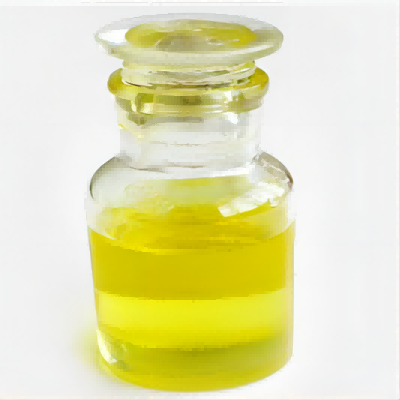
Natural Vitamin E CAS:59-02-9 Manufacturer Supplier
Vitamin E Oil is a fat-soluble vitamin, also known as tocopherol. It is one of the most important antioxidants. It is Fat-soluble organic solvents such as ethanol, and insoluble in water, heat, acid stable, base-labile. It is sensitive to oxygen but not sensitive to heat. And the activity of vitamin E was significantly lower frying.α-Tocopherol is synthesized from γ-tocopherol by the action of enzyme γ-tocopherol methyltransferase. It is the major form of Vitamin E in human plasma. It is present in sunflower seed oil.
-
Vitamin B1 (Thiamine Mononitrate) CAS:532-43-4 Manufacturer Supplier
Thiamine nitrate is the thiamine salt formed from one mole of thiamine base and one mole of nitric acid. It occurs as an anhydrous crystalline solid of low hygroscopicity. Thiamin (vitamin B1) is a member of the vitamin B complex. Attributing to low hydroscopicity, thiamine nitrate works as a more stable form of thiamine in pharmaceutical preparations.Thiamine nitrate is preferred to be used for the preparation of multivitamins and as a food fortification in dry blends and dry products such as in wheat flour.
-
Coral Calcium CAS:7440-70-2 Manufacturer Supplier
Coral calcium is a daily nutritional supplement. It is coral sand formed by weathering and natural decomposition of living coral. It contains a very high concentration of calcium, major minerals and trace minerals.Because it is rich in minerals, it is also known as marine diamond. These mineral rich coral sands are constantly produced by natural coral reefs and then harvested by people. Coral calcium is 24% calcium,12% magnesium, and more than 70 other marine minerals, such as zinc, iron, potassium and manganese. These minerals exist in ionic form and can be highly absorbed by the human body immediately.
-
L-Carnitine CAS:541-15-1 Manufacturer Supplier
L-Carnitine, also known as L-carnitine and vitamin BT, the chemical formula is C7H15NO3, the chemical name is (R)-3-carboxyl-2-hydroxy-n, N, n-trimethylammonium propionate hydroxide internal salt, and the representative drug is L-carnitine. It is a kind of amino acid that promotes the conversion of fat into energy.
-
Creatine Malate CAS:686351-75-7 Manufacturer Supplier
Creatine Malate, the compound is creatine bound to malic acid. Malic acid is a naturally occuring kreb cycle intermediate, meaning that malic acid plays a crucial role in our natural energy cycle. Malic acid coupled with the effect of creatine, as in Di-Creatine Malate, offers much greater ATP production over conventional creatine monohydrate.

