-

Streptavidin from Streptomyces avidinii CAS:9013-20-1
Streptavidin is a protein derived from the bacterium Streptomyces avidinii. It shares similar characteristics to avidin, another biotin-binding protein, but with some differences in binding affinity and stability. Streptavidin is widely used in biotechnology and research, primarily due to its strong and specific binding to biotin. This binding affinity is utilized in various applications, including protein purification, detection assays, targeted drug delivery, molecular biology techniques, imaging, and diagnostics. Streptavidin’s versatility and reliability make it an essential tool in numerous scientific and medical fields.
-
L-Arginine CAS:74-79-3 Manufacturer Price
L-Arginine is an amino acid that the body uses to produce nitric oxide, which helps relax and widen blood vessels. This can improve blood flow, enhance exercise performance, support immune function, potentially treat erectile dysfunction, regulate blood pressure, and provide antioxidant benefits.
-
D-Alanine CAS:338-69-2 Manufacturer Price
D-Alanine, also known as D-alanine or D-Ala, is a non-essential amino acid that plays a crucial role in the formation and function of certain proteins and enzymes in the body. It is one of the building blocks of the bacterial cell wall and is involved in the synthesis of the neurotransmitter GABA (gamma-aminobutyric acid).
D-Alanine is found naturally in some foods, such as meat, poultry, and dairy products, and can also be produced by the body from other amino acids. Supplemental forms of D-Alanine are available and are sometimes used for specific purposes.
-
Tobramycin Base CAS:32986-56-4
Tobramycin Base is a broad-spectrum antibiotic that belongs to the family of aminoglycosides. It is commonly used in the treatment of bacterial infections, particularly those caused by gram-negative bacteria. Tobramycin Base works by inhibiting protein synthesis in bacteria, which ultimately leads to their death.
-
L-Cysteine hydrochloride anhydrous CAS:52-89-1
L-Cysteine hydrochloride anhydrous is a salt form of the amino acid L-cysteine. It is a white, crystalline powder that is soluble in water. L-Cysteine is a non-essential amino acid, meaning that it can be synthesized by the body, but it can also be obtained through dietary sources. L-Cysteine plays a vital role in various biological processes, serving as a precursor for the antioxidant glutathione and aiding in the synthesis of proteins. L-Cysteine hydrochloride anhydrous is commonly used as a dietary supplement and is also used in the food and pharmaceutical industries as a flavor enhancer, reducing agent, and as a precursor for the production of various chemicals.
-
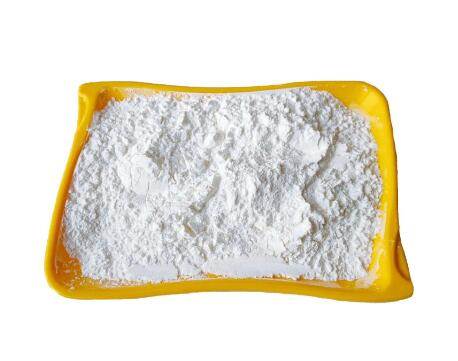
Monensin sodium salt CAS:22373-78-0
Monensin sodium salt is a chemical compound used primarily as a feed additive in livestock production. It improves feed efficiency, aids in the prevention and control of coccidiosis, and exhibits antibacterial activity against certain gram-positive bacteria.
-
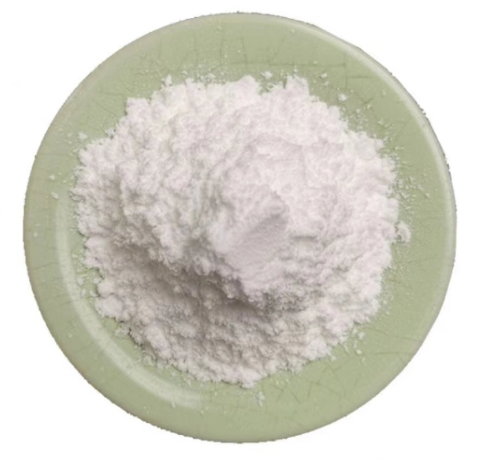
Wortmannin CAS:19545-26-7 Manufacturer Price
Wortmannin is a naturally occurring chemical compound that is commonly used in laboratory research to study various cellular processes. It is a potent inhibitor of phosphoinositide 3-kinase (PI3K), an enzyme involved in various signaling pathways within cells.
By inhibiting PI3K, wortmannin can effectively block the activity of downstream signaling molecules and pathways that rely on PI3K. This allows researchers to investigate the roles that PI3K and its associated pathways play in processes such as cell growth, proliferation, apoptosis, intracellular trafficking, and membrane dynamics.
Wortmannin has been widely used in studies to understand the molecular mechanisms of various diseases, including cancer, inflammation, autoimmune disorders, and neurodegenerative diseases. It can help researchers identify potential therapeutic targets and develop new treatment strategies for these conditions.
-
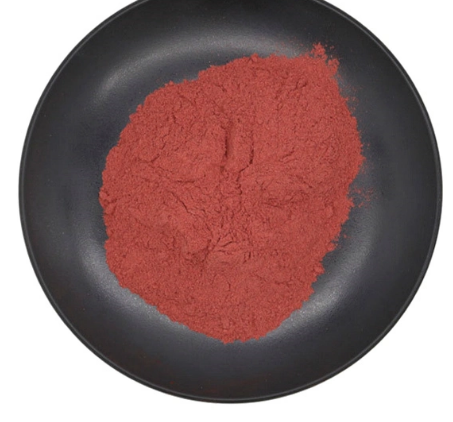
Doxorubicin hydrochloride CAS:25316-40-9
Doxorubicin hydrochloride is a chemotherapy drug that is used to treat various types of cancer. It belongs to a class of medications known as anthracyclines.
Doxorubicin hydrochloride works by inhibiting the growth of cancer cells and disrupting their DNA replication. This helps to prevent the cancer cells from dividing and spreading further. It is effective against a wide range of cancers, including breast cancer, lung cancer, ovarian cancer, and certain types of leukemia.
-

DL-Alanine CAS:302-72-7 Manufacturer Price
DL-Alanine is a synthetic form of the amino acid alanine. It has similar properties and functions as natural L-Alanine but is often used in supplements or food products for its stability and cost-effectiveness. DL-Alanine can support protein synthesis, muscle growth, energy production, blood sugar regulation, exercise performance, and immune function.
-
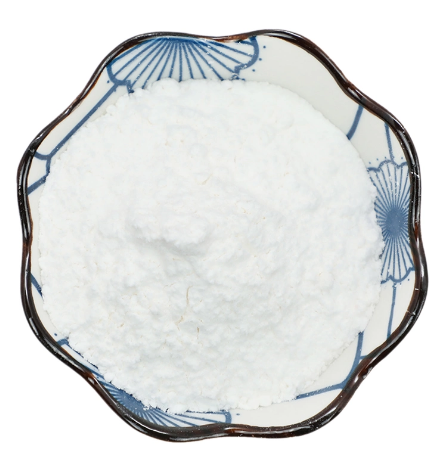
β-Alanine CAS:107-95-9 Manufacturer Price
β-Alanine is a non-essential amino acid commonly found in protein-rich foods like meat and poultry. It plays a crucial role in the production of carnosine, a compound that helps buffer the accumulation of acid in muscles during intense exercise. This buffering effect can delay the onset of fatigue and improve exercise performance, particularly in high-intensity, short-duration activities like weightlifting or sprinting. β-Alanine is commonly used as a supplement by athletes and fitness enthusiasts looking to enhance their performance and increase muscle endurance.
-
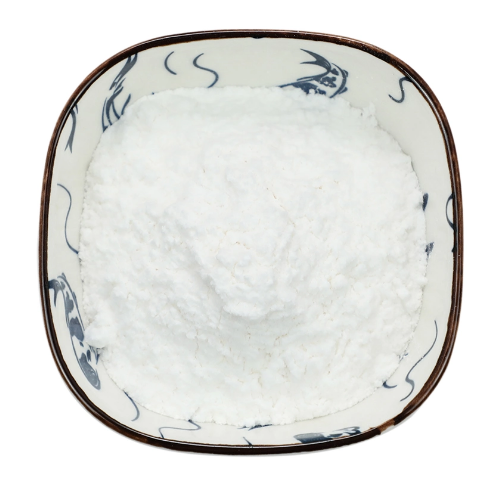
L-Cysteine CAS:52-90-4 Manufacturer Price
L-Cysteine is a non-essential amino acid that plays important roles in the human body. It is involved in protein synthesis, detoxification, and the formation of antioxidants. L-Cysteine also serves as a building block for the production of glutathione, a powerful antioxidant that helps protect cells from damage caused by free radicals. Additionally, L-Cysteine has been used in food and cosmetic industries as a flavor enhancer and dough conditioner. It can be found in certain dietary supplements and natural food sources such as eggs, poultry, and legumes.
-

Carbenicillin disodium salt CAS:4800-94-6
Carbenicillin disodium salt is a commonly used antibiotic that belongs to the penicillin class of drugs. It has a broad spectrum of activity against both gram-positive and gram-negative bacteria. Carbenicillin disodium salt works by inhibiting the synthesis of bacterial cell walls, leading to the death of the bacteria.

