-
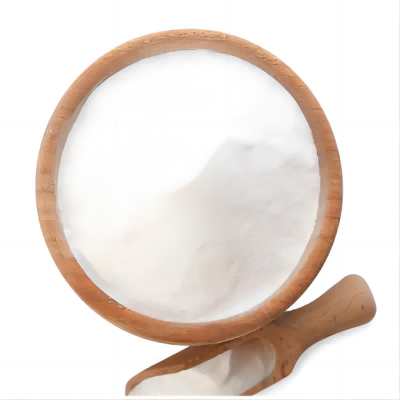
L-Arginine CAS:74-79-3 Manufacturer Supplier
Arginine is a diaminomonocarboxylic acid. The nonessential amino acid, arginine, is a urea cycle amino acid and a precursor for the neurotransmitter nitric oxide, which plays a role in the regulation of the brain’s system of dilation and constriction of small blood vessels. It is strongly alkaline and its water solutions absorb carbon dioxide from the air (FCC, 1996). Functionality in foods includes, but is not limited to, nutrient and dietary supplement.
-

Black Cohosh CAS:84776-26-1 Manufacturer Supplier
Black cohosh extract, also known as black snake root extract or rattlesnake root, is extracted from the roots of black cohosh. Its main components are isoflavones, which have antibacterial, anti-inflammatory, antihypertensive, antioxidant and platelet agglutination effects, and are widely used in the treatment of women’s climacteric syndrome, irregular menstruation, asthma, rheumatism, skin diseases, arthritis and cardiovascular and cerebrovascular diseases.
-

Grape Seed CAS:84929-27-1 Manufacturer Supplier
Grape seed extract is a natural product, with anti-inflammatory and anti-proliferative effects. Grape seed extract shows inhibitory activity on the fat-metabolizing enzymes pancreatic lipase and lipoprotein lipase. Grape seed extract induces apoptotic in human colorectal cancer cells.
-
Baicalin 95% CAS:21967-41-9 Manufacturer Supplier
Baicalin exhibits anti-inflammatory, anti-tumor, anti-angiogenic, anti-oxidant, anti-apoptotic, anti-viral, and antibacterial properties. It could be used for the treatment of autoimmune diseases and several cancers (hepatitis B virus (HBV)-infected liver cancer, hepatic cancer, cervical cancer, etc.). It can be used to treat against dengue virus. It is used in preparation of the drug for treating and rescuing ricin poisoning. Due to its anti-apoptotic effect which can protect PC-12 cells from oxidative stress, baicalin can be used for reducing stress and helping to promote healthy sleep cycles.
-
Echinacea P. Extract CAS:129677-89-0 Manufacturer Supplier
Echinacea purpurea (Linn.) Moench is a perennial herb of the genus Echinacea in the composite family. It is one of the most commonly used herbs in the world because of its high medicinal value. The miracle herb Echinacea was discovered by Native Americans as early as the 17th century and used to treat toothaches, sore throats, snake venom, colds and infections. It is now recognized as an antiviral herb in the world.
-
Glucomannan CAS:11078-31-2 Manufacturer Supplier
Glucomannan is a linear polysaccharide comprising 1,4-β-linked D-glucosyl and D-mannosyl residues, where the glucose:mannose (Glc:Man) ratio varies considerably. Konjac (Amorphophallus konjac) glucomannan has a Glc:Man ratio of approx. 2:3, Aloe vera glucomannan a ratio of 1:2, and salep (Orchis mureo) glucomannan has a ratio of approximately 1:4. All of the polysaccharides are acetylated, which imparts water solubility. Glucomannans are major cell-wall reserve carbohydrates in tubers of several plant genera. At certain stages in the development of the plants, the glucomannan is degraded and serves as an energy source.
-
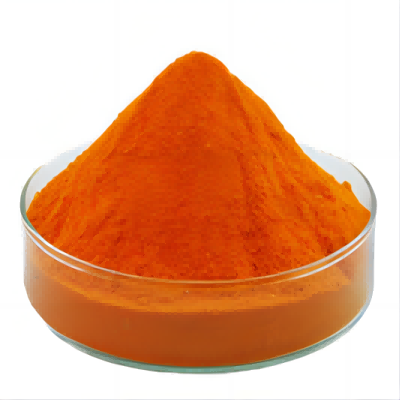
Beta-Carotene CAS:7235-40-7 Manufacturer Supplier
Beta-Carotene is an antioxidant and is one of the most important carotenoids and a source of vitamin A. It is abundantly present in fruits and vegetables which is also used as a food supplement and a colorant.Beta-Carotene is widely distributed in both plant and animal kingdoms and is the most important pro-vitamin A. In plants, it is almost always found with chlorophyll.
-
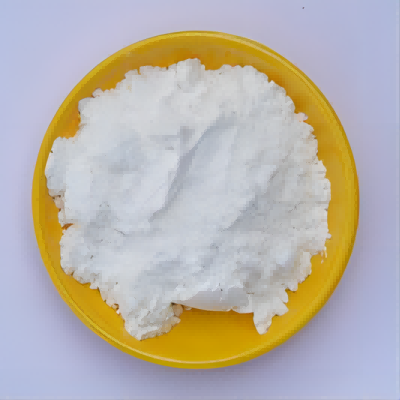
Policosanol / Octacosanol CAS:557-61-9 Manufacturer Supplier
Octacosanol is an alcohol. Flammable and/or toxic gases are generated by the combination of alcohols with alkali metals, nitrides, and strong reducing agents. They react with oxoacids and carboxylic acids to form esters plus water. Oxidizing agents convert them to aldehydes or ketones. Alcohols exhibit both weak acid and weak base behavior. They may initiate the polymerization of isocyanates and epoxides.
-
Inositol Hexanicotinate CAS:6556-11-2 Manufacturer Supplier
Inositol hexanicotinate is an inositol nicotinate. It is functionally related to a nicotinic acid.Inositol nicotinate is believed to be slowly hydrolysed to nicotinic acid. The main route of metabolism is then conversion to N-methylnicotinamide and the 2-pyridone and 4-pyridone derivatives; nicotinuric acid is also formed.
-
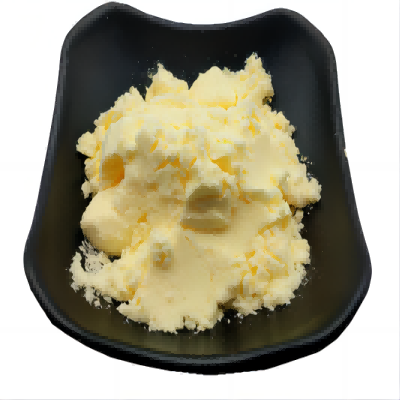
Apha Lipoic Acid CAS:1077-28-7 Manufacturer Supplier
Apha Lipoic Acid is a cyclic disulfide antioxidant that interconverts with its reduced dithiol form. It is an essential cofactor for decarboxylation reactions of the citric acid cycle, and acts as a general antioxidant. DL-α-lipoic acid can act as a direct radical scavenger, as a cofactor to regenerate reduced glutathione, and as a metal chelator.
-
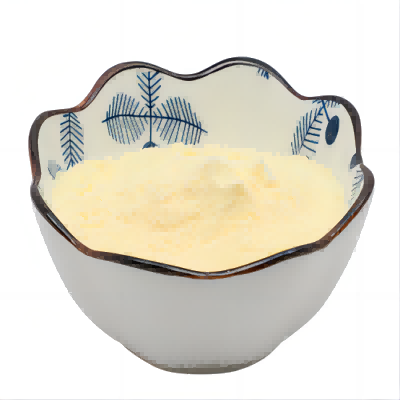
Soy Isoflavorone CAS:574-12-9 Manufacturer Supplier
Isoflavones are non-nutritive botanical compounds that are rich in soy products and a few other plant species; both genistein and glycetein are isoflavones. Their chemical structure looks similar to estrone (also known as estrogen), a steroid hormone.
-
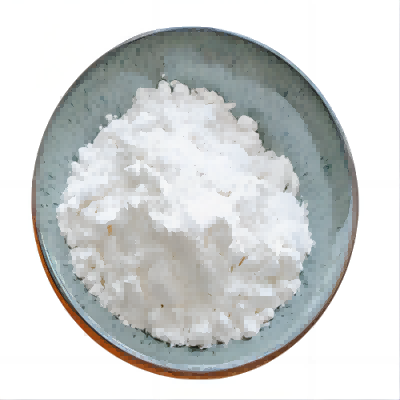
Glucomannan(Konjac) CAS:11078-31-2 Manufacturer Supplier
Glucomannan is a linear polysaccharide comprising 1,4-β-linked D-glucosyl and D-mannosyl residues, where the glucose:mannose (Glc:Man) ratio varies considerably. Konjac (Amorphophallus konjac) glucomannan has a Glc:Man ratio of approx. 2:3, Aloe vera glucomannan a ratio of 1:2, and salep (Orchis mureo) glucomannan has a ratio of approximately 1:4. All of the polysaccharides are acetylated, which imparts water solubility. Glucomannans are major cell-wall reserve carbohydrates in tubers of several plant genera.