-
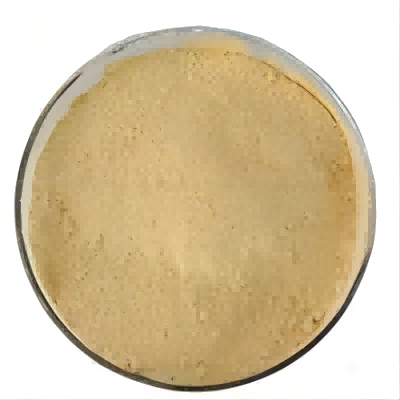
Ginseng extract CAS:90045-38-8 Manufacturer Supplier
Panax ginseng describes the root from two species of plants, Asian ginseng (Panax ginseng) and American ginseng (Panax quinquefolius), popularly used for improving stamina and providing a sense of well-being. The terms red and white ginseng refer to how the root is processed, not the species of origin. Red ginseng roots are steam-cured prior to drying, while white ginseng is bleached and dried. Panax ginsengs contain triterpenoid saponins called ginsenosides (also called panaxosides), of which up to 18 types are recognized as having differing and sometimes opposing pharmacological properties.
-
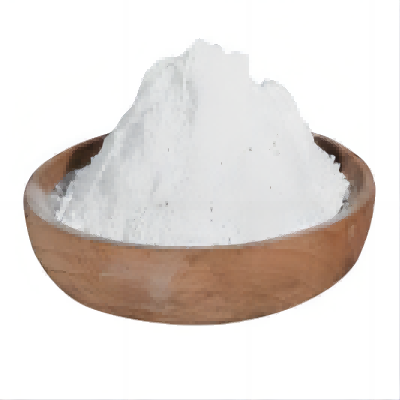
Calcium L-threonate CAS:70753-61-6 Manufacturer Supplier
Calcium threonate is a calcium salt of threnoic acid. It is found in dietary supplements as a source of calcium used in the treatment of calcium deficiency and prevention of osteoporosis. Threonate is an active metabolite of vitamin C that has a mediates a stimulatory action on vitamin C uptake thus may have an effect on osteoblast formation and mineralization process.
-
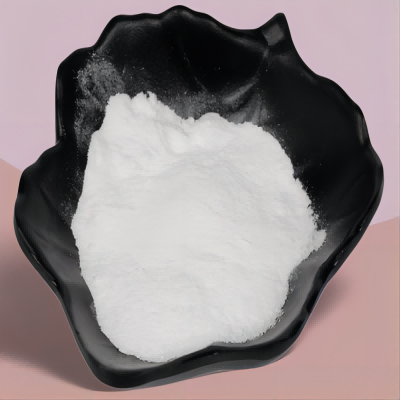
L-Glutathione CAS:27025-41-8 Manufacturer Supplier
Glutathione disulfide is an organic disulfide and a glutathione derivative. It has a role as an Escherichia coli metabolite and a mouse metabolite. It is a conjugate acid of a glutathione disulfide(2-).L-Glutathione oxidized(GSSG) is produced by the oxidation of glutathione. Detoxification of reactive oxygen species is accompanied by production of it. It can be used for the research of sickle cells and erythrocytes.
-
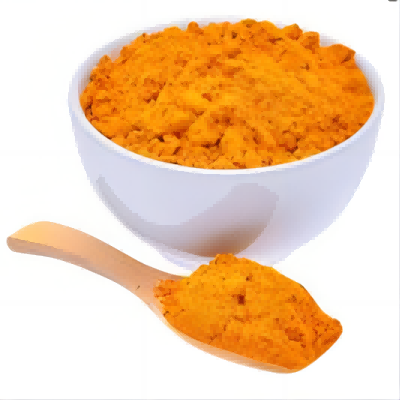
Curcumin 95% CAS:14639-25-9 Manufacturer Supplier
Curcumin, the active component of turmeric (Curcuma longa), has been regarded as an anti-inflammatory and antioxidant agent . Particularly, it can scavenge reactive oxygen species, such as hydroxyl radicals, superoxide anion radicals, and nitrogen dioxide radicals. Additionally, it serves as an anti-inflammatory by down-regulating the production of pro-inflammatory cytokines (e.g., IL-1 and TNF-α) and inhibiting the activation of specific transcription factors (e.g., NF-κB and AP-1). Curcumin also demonstrates antiproliferative properties. Specifically, it inhibits UV radiation-induced skin cancer in SKH-1 hairless mice and reduces UVB-induced matrix metalloproteinase-1/3 expression in human dermal fibroblasts via MAPK-p38/JNK pathway suppression.
-
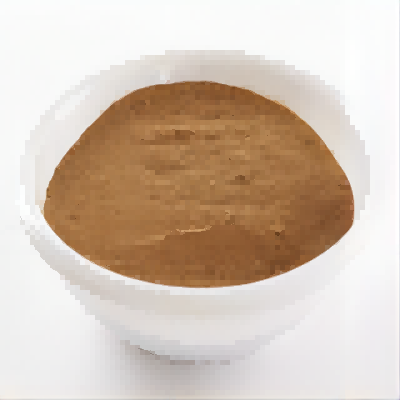
Green Tea Polyphenols CAS:84650-60-2 Manufacturer Supplier
Green tea extract is prepared from natural dried leaves of the tea plant. Black tea is oxidized green tea. Both have been used for thousands of years in Asia as a beverage and medicine. Green tea extract is a bioflavonoid-rich, potent extract, which is used primarily for quenching free radicals. The absolute is prepared by alcoholic extraction of the concrete, or it is sometimes co-distilled from the concrete. The distilled products are viscous, amber-colored liquids with a rich, delicate, sweet, woody, herbaceous odor.
-

Aloe vera CAS:85507-69-3 Manufacturer Supplier
Aloe vera is an herbal remedy promoted as treating a variety of illness.These two herbal remedies act together as a means to cleanse the colon and eliminatetoxins which could accumulate in the digestive tract causing disease; they alsofunction as an anti-inflammatory agent.
-
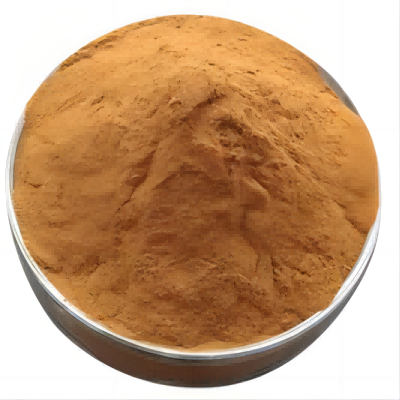
Pomegranate (Ellagic acid) CAS:84961-57-9 Manufacturer Supplier
Pomegranate Extract Ellagic acid has antioxidant, anti-mutagen and anti-cancer properties. Studies have shown the anti-cancer activity on cancer cells of the breast, oesophagus, skin, colon, prostate and pancreas. More specifically, ellagic acid prevents the destruction of P53 gene by cancer cells.
-
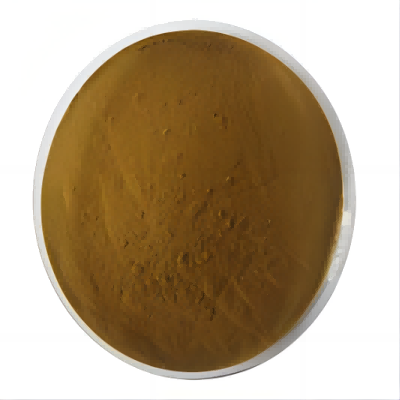
Fenugreek CAS:84625-40-1 Manufacturer Supplier
Fenugreek extract (Trigonellafoenum-graecum) is considered an emollient, anti-inflammatory, and healing ingredient. It can also be used to mask odor or add fragrance to a product. It was traditionally used in treatments for irritated skin. The seeds of this annual herb have been used through the ages and were held in high regard among the egyptians, greeks, and Romans for medicinal and culinary purposes.
-
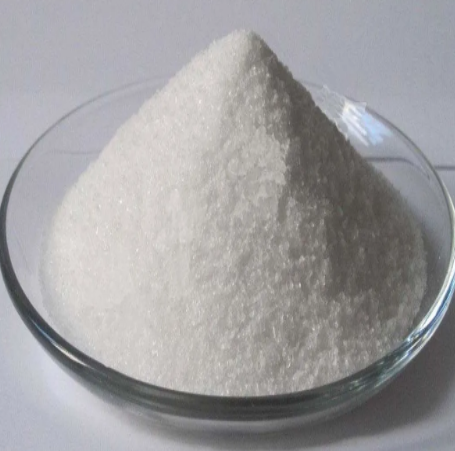
3,5-Dichloro-2-hydroxybenzenesulfonic acid sodium salt CAS:54970-72-8
3,5-Dichloro-2-hydroxybenzenesulfonic acid sodium salt is a chemical compound that is commonly used as a reagent in organic synthesis. It appears as a white to off-white crystalline powder and is soluble in water. With the presence of chlorine and hydroxyl groups, it can be utilized in various chemical reactions such as sulfonation or halogenation. This compound has applications in the pharmaceutical and chemical industries as an intermediate or building block in the synthesis of organic compounds.
-
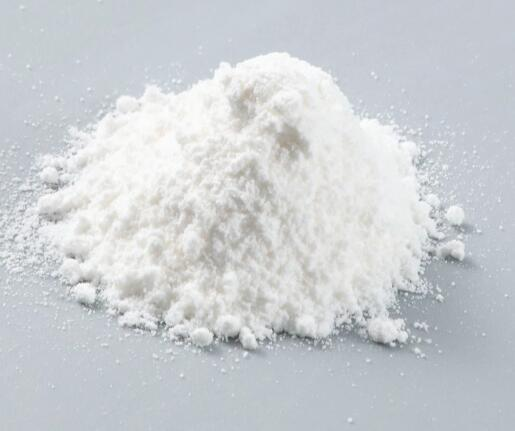
S-Nitrosoglutathione CAS:57564-91-7 Manufacturer Price
S-Nitrosoglutathione (GSNO) is a small molecule composed of three amino acids (glutamine, cysteine, and glycine) and a nitric oxide (NO) group. It acts as a storehouse and transporter of nitric oxide, a crucial signaling molecule in the body. GSNO is involved in various physiological processes including antioxidant activity, protein modification, anti-inflammatory effects, and cardiovascular regulation. It has potential therapeutic applications for conditions such as cardiovascular diseases, neurodegenerative disorders, and cancer.
-
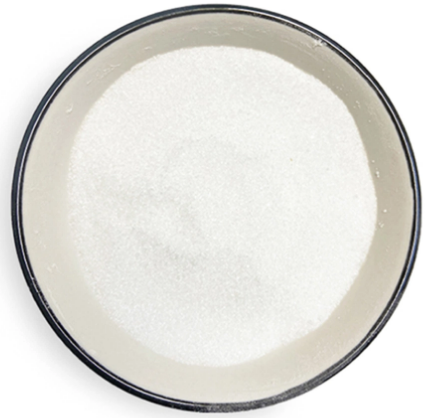
2-Aminoacetic acid CAS:56-40-6
2-Aminoacetic acid, also known as glycine or aminoethanoic acid, is the simplest non-essential amino acid. It is an organic compound with the chemical formula NH2CH2COOH. Glycine is classified as a polar, neutral amino acid due to its side chain containing only a hydrogen atom. It is structurally the smallest amino acid and is considered the building block for proteins.
Glycine plays diverse roles in biological systems. It is involved in the synthesis of proteins and is required for the production of collagen, a major component of connective tissues. Glycine acts as a neurotransmitter and has inhibitory effects on the central nervous system, playing a role in regulating neuronal activity. It is also involved in the synthesis of other important molecules such as heme, purines, and glutathione.
Furthermore, glycine serves as an important precursor for the synthesis of other amino acids, such as serine and creatine. It is a major component of many biochemical reactions, including the conversion of glucose into energy, as well as the detoxification of chemicals in the liver.
-
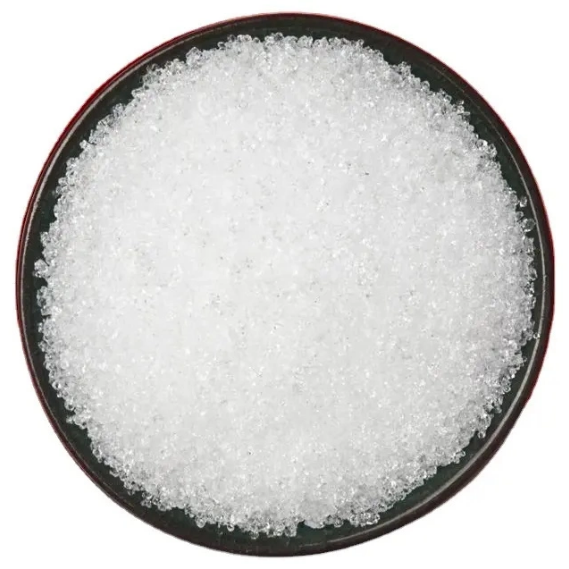
2-Ketoglutaric acid disodium salt dihydrate CAS:305-72-6
2-Ketoglutaric acid disodium salt dihydrate is a chemical compound with the formula Na2C5H6O5. It is the disodium salt form of 2-ketoglutaric acid and contains two sodium ions and two water molecules per molecule of the salt.
2-Ketoglutaric acid is an important intermediate in the metabolic pathways of amino acids and plays a crucial role in the citric acid cycle (also known as the Krebs cycle or TCA cycle) where it participates in the process of energy production.
The disodium salt form of 2-ketoglutaric acid enhances its solubility and makes it easier to handle and use in various applications. It is commonly used in biochemical and enzymatic studies as well as in the development and production of pharmaceuticals and research chemicals. It is also utilized in certain diagnostic tests to assess the levels of 2-ketoglutaric acid in biological samples.