-
(S)-2-Amino-4-hydroxybutanoic acid CAS:672-15-1
(S) -2-Amino-4-hydroxybutanoic acid is a naturally occurring amino acid known as L-threonine. It is an important building block of proteins and has various functions in the body. L-threonine is involved in protein synthesis and tissue repair, supports a healthy immune system, contributes to brain function and neurotransmitter synthesis, maintains intestinal health, plays a role in collagen production, and aids in fatty acid metabolism. It is considered an essential amino acid, meaning the body cannot produce it and must obtain it through diet or supplementation. L-threonine has potential therapeutic applications in certain health conditions but should be used under medical guidance.
-

PVP-K30 CAS:9003-39-8 Manufacturer Price
Polyvinylpyrrolidone (PVP) is a synthetic polymer that is widely used in various industries. It is a water-soluble and non-ionic compound, making it suitable for applications such as pharmaceuticals, cosmetics, adhesives, and food processing. PVP is known for its ability to form stable complexes with many substances, making it a valuable ingredient for drug formulation and cosmetic products. It also exhibits film-forming and adhesive properties, making it useful in coatings and adhesives. Additionally, PVP is often used as a binder and stabilizer in food and beverage applications.
-
3,5-Dichloro-2-hydroxybenzenesulfonic acid sodium salt CAS:54970-72-8
3,5-Dichloro-2-hydroxybenzenesulfonic acid sodium salt is a chemical compound that is commonly used as a reagent in organic synthesis. It appears as a white to off-white crystalline powder and is soluble in water. With the presence of chlorine and hydroxyl groups, it can be utilized in various chemical reactions such as sulfonation or halogenation. This compound has applications in the pharmaceutical and chemical industries as an intermediate or building block in the synthesis of organic compounds.
-
S-Nitrosoglutathione CAS:57564-91-7 Manufacturer Price
S-Nitrosoglutathione (GSNO) is a small molecule composed of three amino acids (glutamine, cysteine, and glycine) and a nitric oxide (NO) group. It acts as a storehouse and transporter of nitric oxide, a crucial signaling molecule in the body. GSNO is involved in various physiological processes including antioxidant activity, protein modification, anti-inflammatory effects, and cardiovascular regulation. It has potential therapeutic applications for conditions such as cardiovascular diseases, neurodegenerative disorders, and cancer.
-
2-Aminoacetic acid CAS:56-40-6
2-Aminoacetic acid, also known as glycine or aminoethanoic acid, is the simplest non-essential amino acid. It is an organic compound with the chemical formula NH2CH2COOH. Glycine is classified as a polar, neutral amino acid due to its side chain containing only a hydrogen atom. It is structurally the smallest amino acid and is considered the building block for proteins.
Glycine plays diverse roles in biological systems. It is involved in the synthesis of proteins and is required for the production of collagen, a major component of connective tissues. Glycine acts as a neurotransmitter and has inhibitory effects on the central nervous system, playing a role in regulating neuronal activity. It is also involved in the synthesis of other important molecules such as heme, purines, and glutathione.
Furthermore, glycine serves as an important precursor for the synthesis of other amino acids, such as serine and creatine. It is a major component of many biochemical reactions, including the conversion of glucose into energy, as well as the detoxification of chemicals in the liver.
-
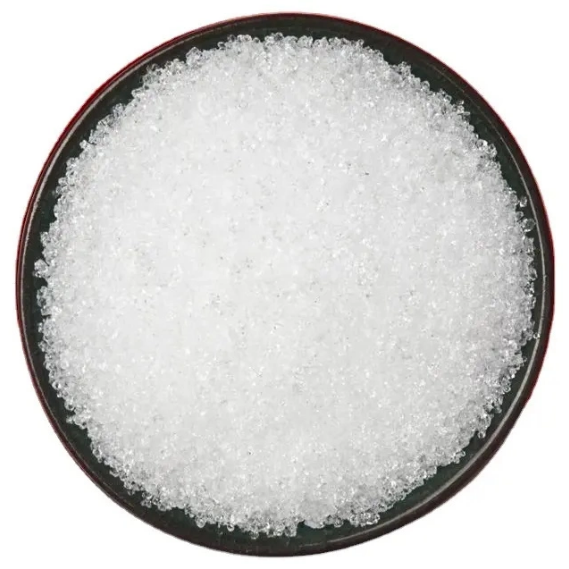
2-Ketoglutaric acid disodium salt dihydrate CAS:305-72-6
2-Ketoglutaric acid disodium salt dihydrate is a chemical compound with the formula Na2C5H6O5. It is the disodium salt form of 2-ketoglutaric acid and contains two sodium ions and two water molecules per molecule of the salt.
2-Ketoglutaric acid is an important intermediate in the metabolic pathways of amino acids and plays a crucial role in the citric acid cycle (also known as the Krebs cycle or TCA cycle) where it participates in the process of energy production.
The disodium salt form of 2-ketoglutaric acid enhances its solubility and makes it easier to handle and use in various applications. It is commonly used in biochemical and enzymatic studies as well as in the development and production of pharmaceuticals and research chemicals. It is also utilized in certain diagnostic tests to assess the levels of 2-ketoglutaric acid in biological samples.
-
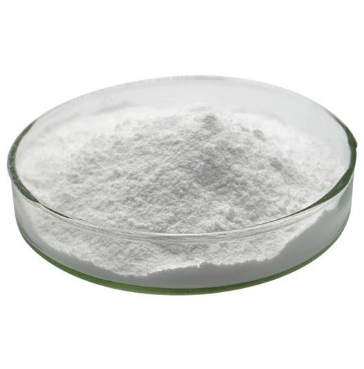
Tetradecyl trimethyl ammonium bromide CAS:1119-97-7
Tetradecyl trimethyl ammonium bromide (TTAB) is a cationic surfactant with a 14-carbon alkyl chain. It is commonly used as a detergent, emulsifier, and antimicrobial agent in various industries. TTAB lowers surface tension and increases the solubility of substances in water, making it effective in cleaning, disinfection, and as an ingredient in personal care products. It can also act as a phase transfer catalyst, facilitating reactions between immiscible phases in organic synthesis.
-
![3H-Indolium, 2-[2-(4-hydroxy-3,5-diiodophenyl)ethenyl]-3,3-dimethyl-1-(3-sulfopropyl)-, inner salt CAS:145876-11-5](https://cdn.globalso.com/xindaobiotech/图片926.png)
3H-Indolium, 2-[2-(4-hydroxy-3,5-diiodophenyl)ethenyl]-3,3-dimethyl-1-(3-sulfopropyl)-, inner salt CAS:145876-11-5
The compound, 3H-Indolium, 2-[2-(4-hydroxy-3,5-diiodophenyl)ethenyl]-3,3-dimethyl-1-(3-sulfopropyl)-, inner salt, is a synthetic organic compound. It is a derivative of indole and contains iodine substituents on a phenyl ring.
This compound is known for its fluorescent properties and is commonly used as a fluorescent dye in biological and chemical research. It can be employed as a staining agent to label and visualize various biomolecules, such as proteins, nucleic acids, or lipids, in biological samples.
The addition of a sulfopropyl group to the indolium moiety improves solubility in aqueous solutions, making it suitable for applications in biological systems.
-
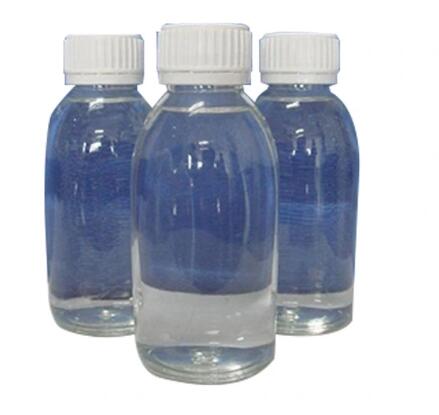
Methyl Jasmonate CAS:1211-29-6
Methyl jasmonate is a natural plant hormone and volatile organic compound. It is derived from jasmonic acid, which is produced in response to various biotic and abiotic stresses such as herbivory, pathogen attack, and mechanical damage. Methyl jasmonate plays a crucial role in plant defense mechanisms and signaling pathways. It regulates several physiological processes, including seed germination, root growth, flowering, senescence, and fruit ripening. Methyl jasmonate is also known for its ability to induce the production of secondary metabolites, such as volatile organic compounds and defense-related compounds like alkaloids, terpenoids, and phenolics. It is widely used in agricultural and horticultural applications to enhance plant resistance against pests and diseases, promote plant growth and development, and improve post-harvest quality of fruits and vegetables. Additionally, methyl jasmonate is a popular tool in plant research as a chemical inducer of stress responses and a modulator of plant signaling pathways.
-
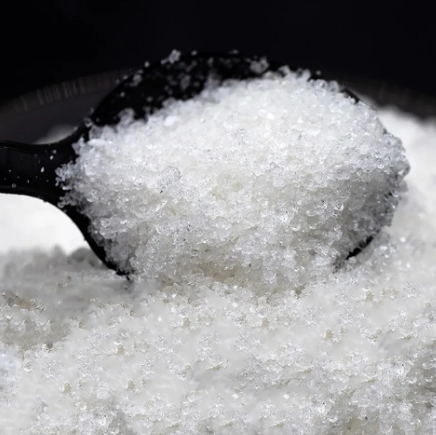
3-Hydroxy-2,4,6-tribromobenzoic acid CAS:14348-40-4
3-Hydroxy-2,4,6-tribromobenzoic acid is a chemical compound with the formula C7H3Br3O3. It is a derivative of benzoic acid, with three bromine atoms attached to different positions on the benzene ring, and a hydroxyl group (-OH) attached at position 3.This compound is primarily used as a building block or intermediate in organic synthesis, particularly in the pharmaceutical and agrochemical industries. It can be utilized in the synthesis of various biologically active compounds, such as pharmaceutical drugs, herbicides, and insecticides. The bromine atoms on the benzene ring can serve as reactive sites for further modifications, allowing for the creation of diverse chemical structures.3-Hydroxy-2,4,6-tribromobenzoic acid is typically a white to off-white solid, and its properties make it a valuable tool for chemists in designing and synthesizing new compounds with desired characteristics and activities.
-

(2S,3R)-2-Amino-3-hydroxybutanoic acid CAS:72-19-5
(2S,3R)-2-Amino-3-hydroxybutanoic acid is a compound that belongs to the family of amino acids. It has a unique molecular structure with a stereochemistry characterized by a “S” configuration at the second carbon atom and a “R” configuration at the third carbon atom.
It is commonly referred to as “threonine” and is an essential amino acid, meaning it cannot be synthesized by the body and must be obtained through the diet or supplementation. Threonine plays a crucial role in various biological processes, including protein synthesis, immune function, and metabolism.
As a component of proteins, threonine helps support the growth and maintenance of tissues such as muscle, skin, and bones. It also participates in the production of antibodies in the immune system and certain neurotransmitters in the brain.
Furthermore, threonine is involved in the metabolism of fatty acids and the formation of collagen, elastin, and tooth enamel. It also plays a role in the intestinal health, promoting the maintenance of the intestinal lining.
-
3-(N-tosyl-L-alaninylazy)-5-phenylpyrrole CAS:99740-00-8
3-(N-tosyl-L-alaninylazy)-5-phenylpyrrole is a chemical compound with a unique structure that includes a tosyl group, an L-alanine residue, and a phenylpyrrole moiety.