-
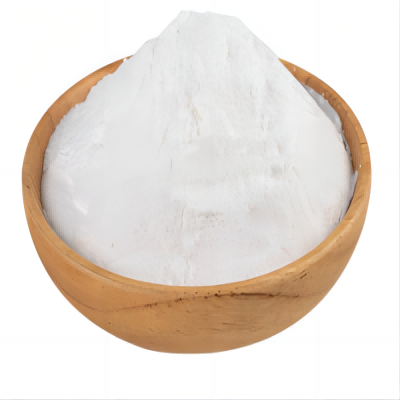
EAA CAS:141-97-9 Manufacturer Supplier
The organic compound ethyl acetoacetate (EAA) is the ethyl ester of acetoacetic acid. It is mainly used as a chemical intermediate in the production of a wide variety of compounds, such as amino acids, analgesics, antibiotics, antimalarial agents, antipyrine and amino pyrine, and vitamin B1; as well as the manufacture of dyes, inks, lacquers, perfumes, plastics, and yellow paint pigments. Alone, it is used as a flavoring for food.
-
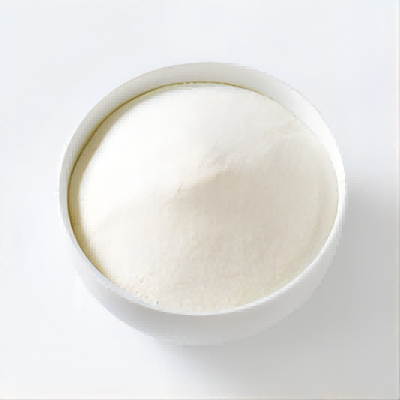
Zinc-L-Methionine CAS:56329-42-1 Manufacturer Supplier
Zinc methionine, also known as methionine chelated zinc, methionine organozinc, is a 1:1 or 2:1 molar ratio of methionine with inorganic zinc sulphate and zinc oxide at a certain temperature, pressure, reaction time, etc. An organic zinc-based substance produced underneath.
-
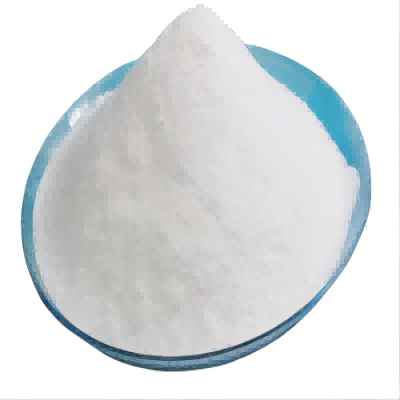
L-Ornithine hydrochloride CAS:3184-13-2 Manufacturer Supplier
L-Ornithine is the functional metabolite of L-arginine.L(+)-Ornithine hydrochloride is a nonprotein amino acid used in the biosynthesis of L-arginine, L-proline and polyamines.L-ornithine hydrochloride is an important basic raw material in pharmaceutical industry and an important metabolite in cells. It plays an important role in regulating the elimination of fluids in living organisms.
-
N-Acetyl-L-Isoleucine CAS:3077-46-1 Manufacturer Supplier
N-Acetyl-L-Isoleucine is an α-amino acid that is used in the biosynthesis of proteins. It contains an α-amino group, an α-carboxylic acid group, and a hydrocarbon side chain with a branch. It is classified as a non-polar, uncharged, branched-chain, aliphatic amino acid.
-
Taurine CAS:107-35-7 Manufacturer Supplier
Taruine is an organic compounds that widely existing in animal tissues. It is a sulfur amino acid, but not being used for protein synthesis. It is rich in the brain, breasts, gallbladder and kidney. It is an essential amino acid in the pre-term and newborn infants of human. It has various kinds of physiological functions including being as a neurotransmitter in the brain, conjugation of bile acids, anti-oxidation, osmoregulation, membrane stabilization, modulation of calcium signaling, regulating the cardiovascular function as well as the development and function of skeletal muscle, the retina, and the central nervous system.
-
Alpha-Ketoleucine Calcium CAS:51828-95-6 Manufacturer Supplier
Alpha-Ketoleucine Calcium is an organic compound commonly used in the pharmaceutical field and chemical research. It has a wide range of uses and important roles.Alpha-Ketoleucine Calcium is widely used in the pharmaceutical field. As an important intermediate, it can be used to synthesize various drugs.
-
N-Acetyl-L-Valine CAS:96-81-1 Manufacturer Supplier
An L-valine derivative in which one of the amino hydrogens of L-valine has been replaced by an acetyl group.Ac-Val-OH is an N-protected valine amino acid ligand. It participates in the 2,6-diolefination reaction of phenylacetic acids.
-
N-Acetyl-L-Glycine CAS:543-24-8 Manufacturer Supplier
The amino acid N-Acetyl-L-Glycine (Aceturic acid) is a derivative of the amino acid glycine. Glycine is a non-essential amino acid, meaning the body can produce it on its own. As with any amino acid, the body cannot function properly without glycine, although a glycine deficiency is rare.
-
Alpha-Ketoisocaproic acid CAS:816-66-0 Manufacturer Supplier
Alpha-Ketoisocaproic acid that is pentanoic acid (valeric acid) substituted with a keto group at C-2 and a methyl group at C-4. A metabolite that has been found to accumulate in maple syrup urine disease.
-
N-Acetyl-L-Tyrosine CAS:537-55-3 Manufacturer Supplier
N-Acetyl-L-Tyrosine is a white crystalline powder that is an acetyl derivative of the amino acid, L-tyrosine. It is freely soluble in water compared to L-tyrosine and is commonly used as a parenteral nutrition supplement. N-Acetyl-L-tyrosine , a stable and more soluble form of tyrosine , has been incorporated in some currently available commercial parenteral amino acid formulations such as TrophAmine and Aminosyn-II.
-
N-Acetyl-L-Glutamine CAS:35305-74-9 Manufacturer Supplier
N-Acetyl-L-glutamine is used in biochemical research, and is used as a medicine to improve brain function. It is used in liver coma, brain tumor after brain injury, paralysis, mental decline, memory disorders and other diseases.
-
Theanine CAS:3081-61-6 Manufacturer Supplier
L-Theanine is the major amino acid found in Camellia sinensis, the source of green tea. It is an analog of the excitatory neurotransmitter, glutamate, and thusly, binds to glutamate receptors. L-Theanine can antagonize various glutamate receptor subtypes as well as inhibit glutamine and glutamate transporters, which has been shown to be neuroprotective in animal models of focal cerebral ischemia. Further, L-theanine is reported to increase brain levels of dopamine, serotonin, GABA, nerve growth factor, and brain-derived neurotrophic factor.

