-
Ornithine HCL CAS:3184-13-2 Manufacturer Supplier
L(+)-Ornithine hydrochloride is a non-essential amino acid. It is manufactured in the body utilizing L-Arginine which is an important precursor needed to manufacture Citrulline, Proline and Glutamic Acid.L-Ornithine is one of the products of the action of the enzyme arginase on L-arginine, creating urea. Therefore, ornithine is a central part of the urea cycle, which allows for the disposal of excess nitrogen. Ornithine is recycled and, in a manner, is a catalyst. First, ammonia is converted into carbamoyl phosphate (phosphate-CONH2), which creates one half of urea.
-
Phenylalanine CAS:63-91-2 Manufacturer Supplier
Phenylalanie is an essential amino acid and it is the precursor of the amino acid tyrosine. The body cannot make phenylalanie but it needs phenylalanie to produce proteins. Thus, human needs to obtain phenylalanie from food. 3 forms of phenylalanie are found in the nature: D-phenylalanine, L-phenylalanine, and DL-phenylalanine. Among these three forms, L-phenylalanine is the natural form found in most foods that containing proteins, including beef, poultry, pork, fish, milk, yogurt, eggs, cheeses, soy products, and certain nuts and seeds.
-
Phenylglycine CAS:2935-35-5 Manufacturer Supplier
Phenylglycine is an amide that belongs to the group of pyridoxal phosphate analogues. It has been shown to be a response element for enzymes and natural compounds in Escherichia coli and Saccharomyces cerevisiae. It inhibits aminotransferase activity, dopamine synthesis, and microbial metabolism in these organisms. This compound also has a structural analysis that includes x-ray diffraction data, which can be used to identify its three-dimensional structure.
-
Proline CAS:344-25-2 Manufacturer Supplier
L-proline is one of the 20 amino acids that are used to synthesize proteins by the human body. Functions of proline include helping form collagen, regenerating cartilage, forming connective tissue, repairing skin damage and wounds, healing the gut lining, and repairing joints.D-proline is the D-enantiomer of proline. It has a role as a mouse metabolite. It is a D-alpha-amino acid and a proline. It is a conjugate base of a D-prolinium. It is a conjugate acid of a D-prolinate. It is an enantiomer of a L-proline. It is a tautomer of a D-proline zwitterion.
-
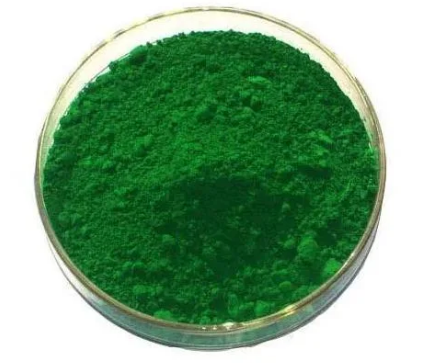
ABTS (2,2′-Azino-bis(3-ethylbenzthiazoline-6-sulfonic acid) diammonium salt) CAS:30931-67-0
Diammonium 2,2′-azino-bis(3-ethylbenzothiazoline-6-sulfonate), often referred to as ABTS, is a commonly used chromogenic substrate in biochemical assays, particularly in the field of enzymology. It is a synthetic compound that is used to measure the activity of various enzymes, including peroxidases and oxidases.
ABTS is colorless in its oxidized form but turns blue-green when oxidized by an enzyme in the presence of hydrogen peroxide or molecular oxygen. This color change is due to the formation of a radical cation, which absorbs light in the visible spectrum.
The reaction between ABTS and the enzyme produces a colored product that can be measured spectrophotometrically. The intensity of the color is directly proportional to the enzymatic activity, allowing researchers to quantitatively evaluate enzyme kinetics, enzyme inhibition, or enzyme-substrate interactions.
ABTS has a broad range of applications in various fields, including clinical diagnostics, pharmaceutical research, and food science. It is highly sensitive and offers a wide dynamic range, making it a popular choice for many biochemical assays.
-

ABEI CAS:66612-29-1 Manufacturer Price
N-(4-Aminobutyl)-N-ethylisoluminol, also known as ABEI, is a luminescent compound often used as a chemiluminescent probe in bioanalytical applications. It belongs to the class of isoluminol derivatives and is widely used in immunoassays and DNA/RNA detection techniques.
.
-

Creatine phosphate disodium salt CAS:922-32-7
Creatine phosphate disodium salt is a compound that consists of creatine, a naturally occurring amino acid derivative, bound to phosphate groups and sodium ions. It plays a crucial role in providing energy for muscle contraction and is commonly used as a dietary supplement by athletes and bodybuilders.
When consumed, creatine phosphate disodium salt is converted into creatine phosphate in the body, which is then stored in the muscles. During high-intensity activities, such as weightlifting or sprinting, creatine phosphate acts as a readily available source of high-energy phosphate bonds, allowing for the rapid replenishment of adenosine triphosphate (ATP).
ATP is the primary energy molecule used by muscles, and its levels decrease rapidly during intense exercise. By supplementing with creatine phosphate, athletes can increase the availability of ATP, leading to improved muscle performance, increased power, and reduced fatigue.
Additionally, creatine phosphate disodium salt may have other potential benefits, including increased muscle mass, enhanced recovery, and improved cognitive function. It is typically taken orally in powder or tablet form, either as a standalone supplement or as part of a pre-workout or post-workout supplement regimen.
-
PUROMYCIN DIHYDROCHLORIDE CAS:58-58-2
Puromycin dihydrochloride is a compound commonly used in molecular biology and cell culture studies. It is an antibiotic that inhibits protein synthesis by prematurely terminating the translation process. Puromycin dihydrochloride is often employed as a selection marker in genetic engineering experiments, allowing for the identification and isolation of cells that have successfully incorporated a desired gene or genetic modification.
-
HEPPS CAS:16052-06-5 Manufacturer Price
HEPPS, which stands for N-(2-Hydroxyethyl)piperazine-N’-2-ethanesulfonic acid, is a zwitterionic buffering agent commonly used in biological and biochemical research. It is known for its excellent buffering capacity and stability over a wide pH range, particularly in the range of pH 6.8-8.2. HEPPS is often used in cell culture media, protein purification, enzymatic reactions, and other applications that require a precisely controlled pH environment. It is soluble in water and is typically used at concentrations ranging from 10 mM to 100 mM. HEPPS is considered non-toxic to cells and has a low background interference, making it a popular choice for many experimental protocols.
-
Z-GLY-PRO-PNA CAS:65022-15-3
Z-GLY-PRO-PNA is a peptide nucleic acid (PNA) derivative with the sequence Z-Gly-Pro. This compound is commonly used in research and diagnostics for its ability to bind specifically to complementary nucleic acid sequences. The addition of the Z-group on the N-terminus allows for efficient targeting and delivery to the desired molecular targets. With its unique combination of peptide and nucleic acid properties, Z-GLY-PRO-PNA offers great potential in various applications, including gene therapy, molecular diagnostics, and drug development.
-
TAPS-NA CAS:91000-53-2 Manufacturer Price
N-[Tris(hydroxymethyl)methyl]-3-aminopropanesulfonic acid sodium salt, also known as TAPS-Na, is a chemical compound commonly used as a buffering agent in various biological and biochemical applications. It is a zwitterionic compound, meaning it has both positive and negative charges, which helps maintain a stable pH in solutions.
TAPS-Na has a pH range of approximately 7.7 to 9.1, making it suitable for applications requiring a slightly alkaline pH environment. It is often used in protein and enzyme research, as well as in molecular biology techniques such as gel electrophoresis and DNA sequencing.
As a sodium salt, TAPS-Na is highly soluble in water, which allows for easy preparation of buffered solutions. It is known for its low toxicity and minimal interference with biological molecules, making it a preferred choice for many experiments.
-
3-(N-tosyl-L-alaninylazy)-5-phenylpyrrole CAS:99740-00-8
The compound contains a pyrrole ring with a phenyl group attached at position 5. Additionally, it has a tosyl group and an L-alanine derivative attached at position 3, forming a complex structure.

