-
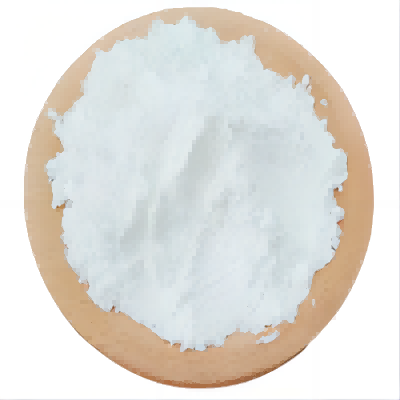
Phenylalanine CAS:63-91-2 Manufacturer Supplier
Phenylalanie is an essential amino acid and it is the precursor of the amino acid tyrosine. The body cannot make phenylalanie but it needs phenylalanie to produce proteins. Thus, human needs to obtain phenylalanie from food. 3 forms of phenylalanie are found in the nature: D-phenylalanine, L-phenylalanine, and DL-phenylalanine. Among these three forms, L-phenylalanine is the natural form found in most foods that containing proteins, including beef, poultry, pork, fish, milk, yogurt, eggs, cheeses, soy products, and certain nuts and seeds.
-
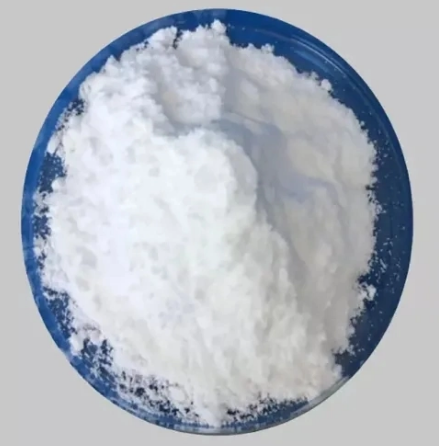
5-Bromo-4-chloro-3-indolyl-N-acetyl-beta-D-glucosaminide CAS:4264-82-8
5-Bromo-4-chloro-3-indolyl-N-acetyl-beta-D-glucosaminide is a compound used in various biochemical studies, particularly for the detection and visualization of enzyme activity. It is a substrate that can be hydrolyzed by specific enzymes, resulting in the release of a colored or fluorescent product.
This compound is commonly used in assays to detect the presence and activity of enzymes such as beta-galactosidase and beta-glucuronidase. These enzymes cleave the acetyl and glucosaminide groups from the substrate, leading to the formation of a blue or green chromophore.
The unique structure of 5-Bromo-4-chloro-3-indolyl-N-acetyl-beta-D-glucosaminide allows for easy detection and quantification of enzyme activity. Its use in various experimental techniques, including histochemistry, immunohistochemistry, and cell-based assays, has contributed to a better understanding of enzyme functions.
-
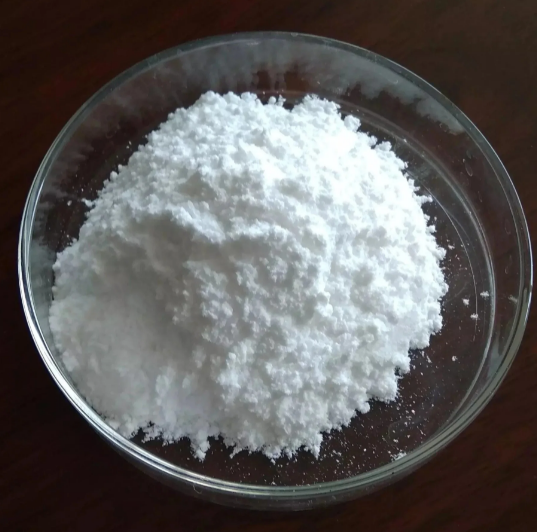
3,3′,5,5′-Tetramethylbenzidine CAS:207738-08-7
3,3′,5,5′-Tetramethylbenzidine, also known as TMB, is a chemical compound commonly used as a chromogenic substrate in enzyme-linked immunosorbent assays (ELISA) and other biochemical assays. It is often used to detect and quantify the presence of enzymes such as horseradish peroxidase (HRP) in various biological samples. TMB undergoes a color change from colorless to blue in the presence of these enzymes. Subsequently, the reaction can be stopped by adding an acid which converts the blue color to a final yellow color. The intensity of the yellow color is proportional to the amount of enzyme present, allowing for quantification.
.
-
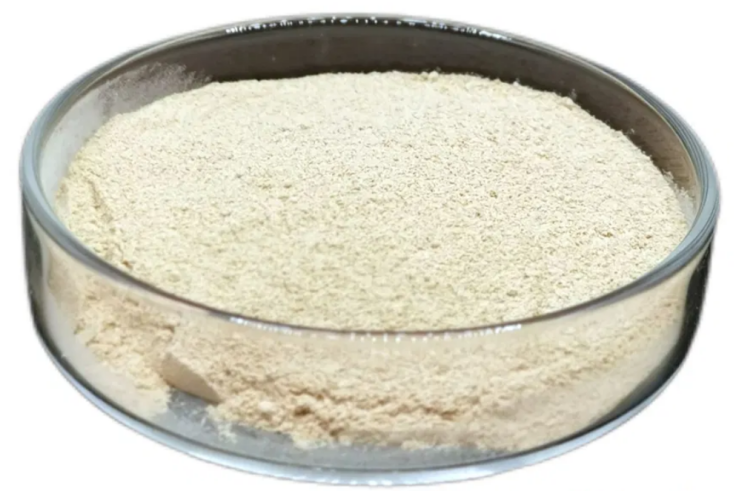
2-Chloro-4-nitrophenyl-α-D-maltotriosi de CAS:118291-90-0
2-chloro-4-nitrophenylmaltotrioside is a compound that is commonly used as a substrate in enzymatic assays to study the activity of certain enzymes called glycosidases.
-
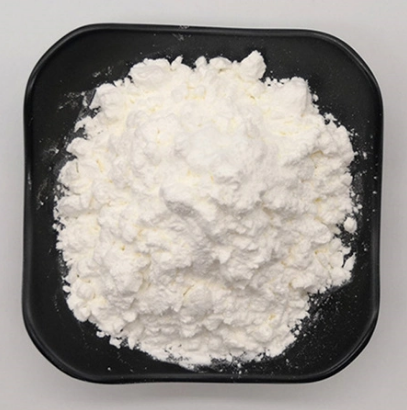
Carbenicillin Disodium Salt CAS:4800-94-6
Carbenicillin Disodium Salt is a semi-synthetic antibiotic derived from penicillin. It belongs to the family of penicillinase-resistant penicillins and is used primarily to treat infections caused by susceptible gram-negative bacteria. It works by inhibiting bacterial cell wall synthesis, leading to the destruction of the bacterial cell. Carbenicillin Disodium Salt is commonly used in clinical and laboratory settings for its broad spectrum of activity against various bacterial strains.
-
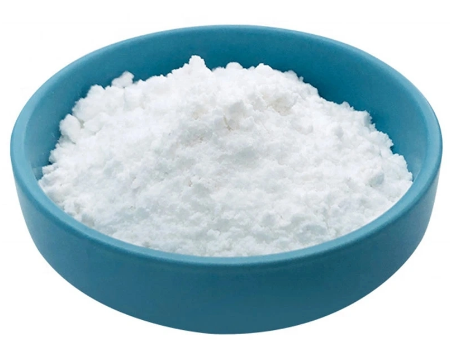
MBTH CAS:38894-11-0 Manufacturer Price
3-Methyl-2-benzothiazolinone hydrazone hydrochloride monohydrate is a chemical compound that consists of a hydrazone derivative of 3-Methyl-2-benzothiazolinone, which is further combined with hydrochloride and water molecules. It is a white crystalline powder that is soluble in water.
This compound has been primarily used in various laboratory applications, particularly in analytical chemistry. It is known for its ability to react with aldehydes and ketones, forming highly colored products that can be easily detected and quantified. This feature makes it useful in assays and tests that involve the determination of aldehyde and ketone concentrations.
-
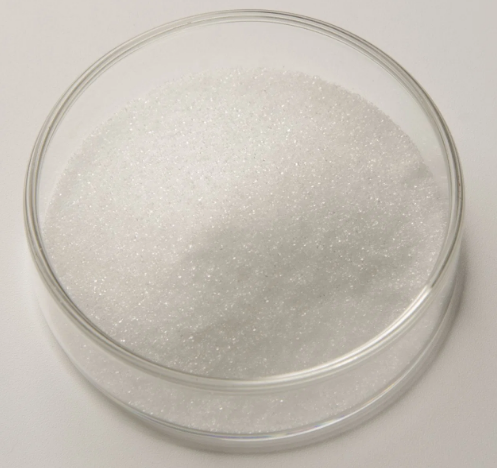
1-(3-Dimethylaminopropyl)-3-ethylcarbodiimide hydrochloride CAS:25952-53-8
1-(3-Dimethylaminopropyl)-3-ethylcarbodiimide hydrochloride, also known as EDC hydrochloride or EDAC, is a chemical compound commonly used in biochemistry and molecular biology as a coupling agent for the activation of carboxyl groups. It is a white crystalline powder that is highly soluble in water.
EDC hydrochloride is primarily used in the synthesis of peptides and proteins by facilitating the formation of amide bonds between carboxyl and amino groups. It acts by activating carboxyl groups, which react with amino groups in the presence of a coupling agent such as N-hydroxysuccinimide (NHS). This reaction results in the formation of stable amide bonds.
EDC hydrochloride is also used in DNA and RNA research for modifying and cross-linking nucleic acids, as well as in the immobilization of enzymes and other biomolecules onto surfaces. It is a versatile reagent that can enhance the efficiency and specificity of these reactions.
-
Sodium Salt salt CAS:139-41-3 Manufacturer Price
N,N-Bis(2-hydroxyethyl)glycine sodium salt is a chemical compound used as a buffering agent in various biochemical and biophysical applications. It helps maintain a stable pH level in experimental conditions, making it useful in enzyme studies, protein research, cell culture, and Western blotting techniques.
-
Phenol,4,4′-(4,5,6,7-tetrabromo-1,1-dioxido-3H-2,1-benzoxathiol-3-ylidene)bis[2-iodo-6-nitro- CAS:145551-16-2
Phenol, 4,4′-(4,5,6,7-tetrabromo-1,1-dioxido-3H-2,1-benzoxathiol-3-ylidene)bis[2-iodo-6-nitro- (9CI) is a chemical compound that belongs to the phenol family. It consists of a phenol ring attached to a 1,1-dioxido-3H-2,1-benzoxathiol-3-ylidene group, which is further linked to two 2-iodo-6-nitro groups. The compound is highly brominated, with four bromine atoms located on the phenol ring.
-
4-Aminophthalhydrazide AMPPD CAS:3682-14-2
4-Aminophthalhydrazide, also known as 4-APhH, is a chemical compound with the molecular formula C8H8N2O. It belongs to the class of hydrazide compounds and is derived from phthalic acid.
.
-
2-Chloro-4-nitrophenyl-α-L-fucopy ranoside CAS:157843-41-9
2-Chloro-4-nitrophenyl-alpha-L-fucopyranoside is a synthetic chemical compound. It is a derivative of fucose, a monosaccharide that is commonly found in various biological molecules. This compound contains a chlorine atom and a nitro group attached to a phenyl ring, which is linked to the fucose molecule.The specific applications and properties of 2-chloro-4-nitrophenyl-alpha-L-fucopyranoside may vary, depending on its intended use. However, similar fucoside derivatives have been used in biochemical research for various purposes, including studying glycosylation processes, investigating enzyme activities, and analyzing carbohydrate-protein interactions.
-
Guanidine Hydrochloride CAS:50-01-1
Guanidine hydrochloride is a chemical compound with the molecular formula CH5N3·HCl. It is a strong chaotropic agent widely used in biochemistry and molecular biology applications.
Guanidine hydrochloride is commonly used to denature proteins, disrupt protein structures, and unfold proteins for purification purposes. It is particularly effective in breaking hydrogen bonds and disrupting non-covalent interactions within proteins. This property makes it useful for solubilizing proteins that are normally insoluble or aggregate-prone.
It is also utilized as a protein stabilizer, protecting proteins from unwanted aggregation or denaturation during various biochemical and biophysical experiments. Guanidine hydrochloride can help maintain the native structure and activity of proteins under denaturing conditions.