-
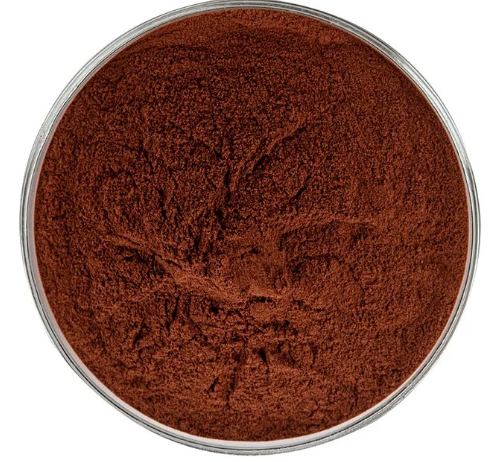
Apoester 10% CAS:1109-11-1 Manufacturer Price
Apoester is an oxygen-containing apocarotene compound among carotenoids, with good stability in premixtures and complete feed. It also has a high deposition rate in the yolk, making it an effective egg yolk colorant.
-
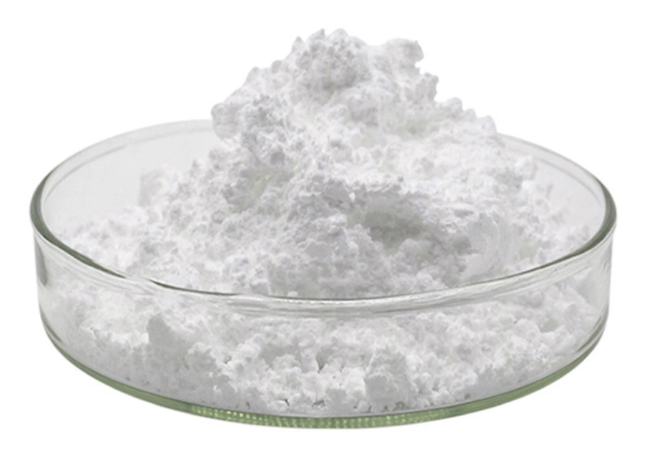
Febantel CAS:58306-30-2 Manufacturer Price
Febantel is a feed-grade anthelmintic drug used in animal production to control and treat gastrointestinal parasites. It is effective against various species of roundworms and tapeworms commonly found in animals. Febantel is administered orally through the animal’s feed or water, making it convenient to use. Its broad-spectrum activity targets multiple types of gastrointestinal worms. However, it is important to follow the manufacturer’s instructions and consult with a veterinarian or professional to determine the right dosage and treatment regimen for your specific animal production system. It is also crucial to adhere to any withdrawal period requirements before animals can be slaughtered or their products consumed.
-
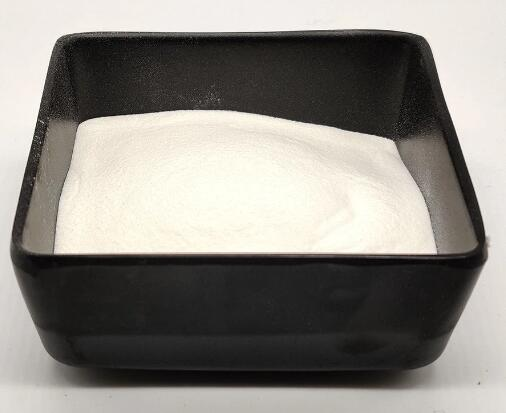
Ivermectin CAS:70288-86-7 Manufacturer Price
Ivermectin feed grade is a veterinary drug commonly used in animal feed to control and treat parasitic infestations in farm animals. It is particularly effective against internal and external parasites such as worms, mites, and lice.
Ivermectin feed grade works by interfering with the nerve impulses of these parasites, ultimately causing their paralysis and death. This results in improved animal health, increased productivity, and reduced transmission of parasites within livestock populations.
-
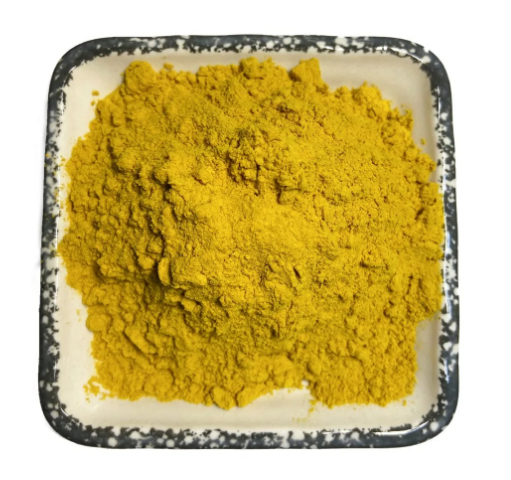
Sulfachloropyridazine CAS:80-32-0 CAS:2058-46-0
Sulfachloropyridazine feed grade is an antibacterial medication commonly used in animal feed to prevent and treat various bacterial infections. It belongs to the sulfonamide group of antibiotics and is effective against a wide range of Gram-positive and Gram-negative bacteria. Sulfachloropyridazine feed grade is used in the livestock industry to promote animal health and improve feed efficiency. It works by inhibiting the growth of bacteria, thus reducing the risk of infection and improving overall animal welfare.
-
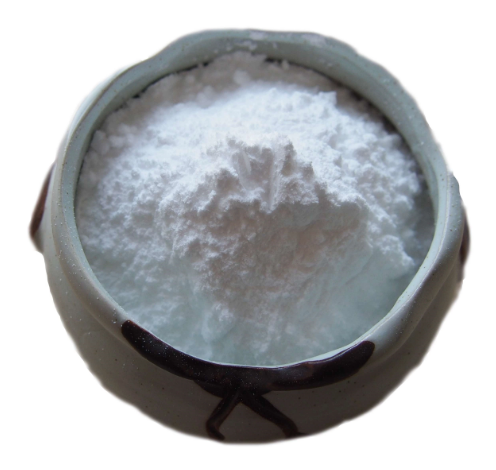
Parbendazole CAS:14255-87-9 Manufacturer Price
Parbendazole is a broad-spectrum anthelmintic (anti-parasitic) drug that is commonly used in veterinary medicine for the treatment and control of parasitic infections in animals. The “feed grade” designation indicates that the drug is specifically formulated and approved for use in animal feed to target internal parasites, such as worms, in livestock and poultry. It can help prevent infestations, reduce the spread of parasites, and promote the overall health and well-being of the animals.
-
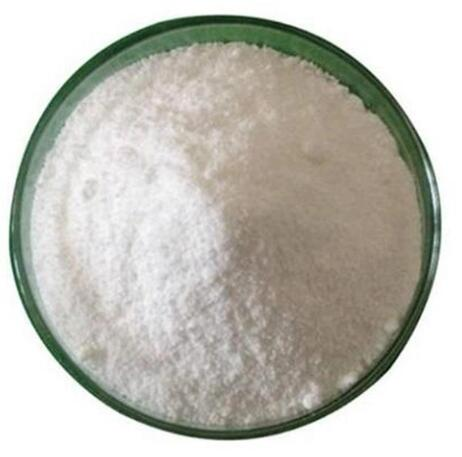
Tylosin Tartrate CAS:74610-55-2 Manufacturer Price
Tylosin Tartrate feed grade is a broad-spectrum antibiotic commonly used in animal feed to prevent and treat bacterial infections in livestock. It is effective against a wide range of Gram-positive bacteria, Gram-negative bacteria, and some mycoplasma species. It inhibits bacterial protein synthesis, preventing the growth and replication of harmful bacteria. Tylosin Tartrate is commonly used in poultry, swine, and cattle for respiratory and gastrointestinal infections.
-
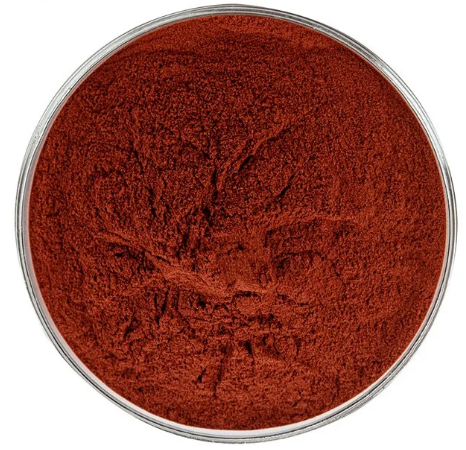
Astaxanthin 10% CAS:472-61-7 Manufacturer Price
Astaxanthin 10% feed grade is a popular feed additive used in animal nutrition. It is a natural pigment derived from microalgae and can be added to animal feed to enhance the color of egg yolks, fish, and poultry. Astaxanthin is a powerful antioxidant and has been shown to improve immune response, enhance fertility, and support overall animal health. In addition to its visual benefits, it may also have a positive impact on animal growth and performance. The feed grade version of astaxanthin is specifically formulated for easy integration into animal diets and is commonly used in the aquaculture, poultry, and pet food industries.
-
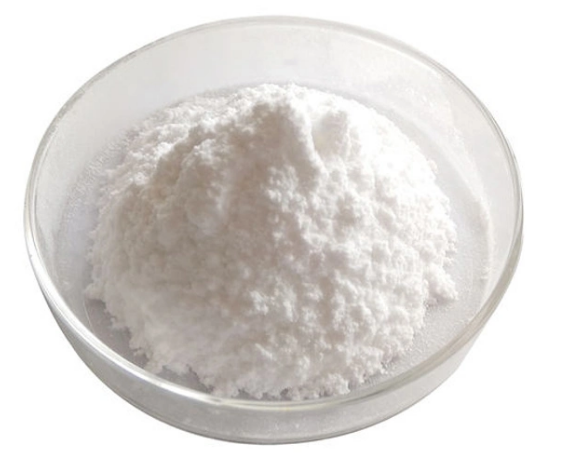
Avermectin CAS:71751-41-2 Manufacturer Price
Avermectin feed grade is a medication commonly used in animal agriculture to control and prevent parasites in livestock. It is effective against a wide range of internal and external parasites, such as worms, mites, lice, and flies. Avermectin feed grade is administered through animal feed or supplements and helps improve animal health and productivity.
-
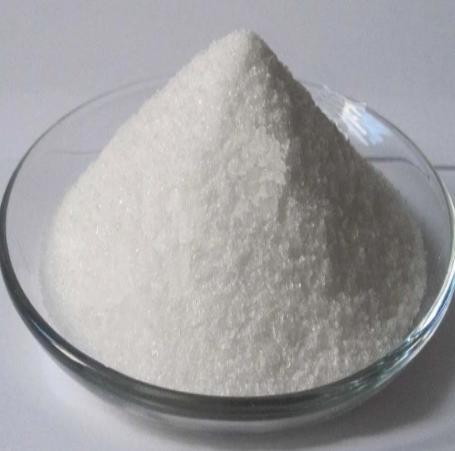
Azamethiphos CAS:35575-96-3 Manufacturer Price
Azamethiphos feed grade is an insecticide commonly used in animal agriculture to control and eliminate various pests. It is effective against a range of insects, including flies, beetles, and cockroaches.
Azamethiphos is typically applied by mixing it into animal feed or supplements. The dosage is determined based on the weight and type of animal being treated. The insecticide works by targeting the nervous system of the pests, leading to their paralysis and eventual death.
The use of Azamethiphos in animal agriculture helps prevent infestations and maintain the health and well-being of the animals. By controlling pest populations, it ensures a clean and hygienic environment for the animals, reducing the risk of disease transmission and improving overall productivity.
-
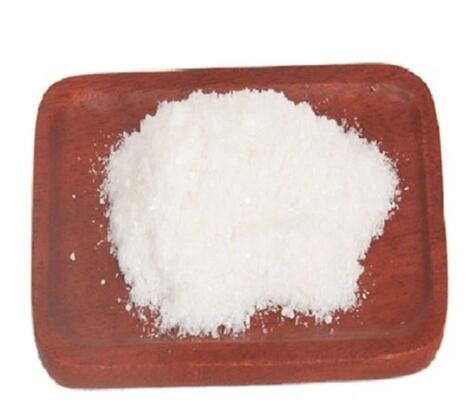
Amoxicillin CAS:26787-78-0 Manufacturer Price
Amoxicillin feed grade is an antibiotic commonly used in animal agriculture to prevent and treat bacterial infections in livestock and poultry. It belongs to the penicillin class of antibiotics and is effective against a wide range of bacteria.
When administered in animal feed, amoxicillin feed grade works by inhibiting the growth and replication of bacteria, helping to control and eliminate infections. It is particularly effective against Gram-positive bacteria, which are common causes of respiratory, gastrointestinal, and urinary tract infections in animals.
-
β-Nicotinamide Adenine Dinucleotide, reduced form CAS:606-68-8
β-Nicotinamide adenine dinucleotide (NAD+) and β-Nicotinamide adenine dinucleotide, reduced (NADH) comprise a coenzyme redox pair (NAD+:NADH) involved in a wide range of enzyme catalyzed oxidation reduction reactions. In addition to its redox function, NAD+/NADH is a donor of ADP-ribose units in ADP-ribosylaton (ADP-ribosyltransferases; poly(ADP-ribose) polymerases ) reactions and a precursor of cyclic ADP-ribose (ADP-ribosyl cyclases).
-
Venlafaxine CAS:93413-69-5
Venlafaxine is an antidepressant of the serotonin and norepinephrine reuptake inhibitor (SNRI) class. This drug was first developed by Wyeth in 19Chemicalbook93 and is now marketed by Pfizer. This drug is approved for the treatment of major depressive disorder (MDD), generalized anxiety disorder (GAD), and depression associated with anxiety.

