-
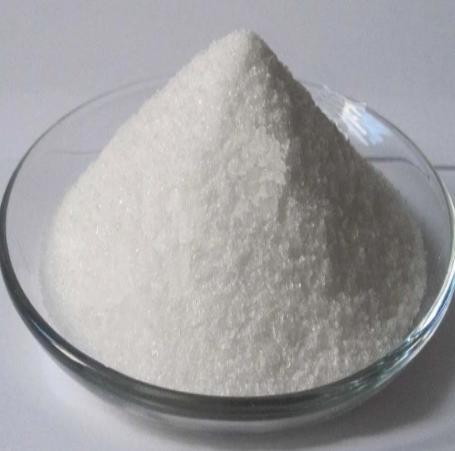
Azamethiphos CAS:35575-96-3 Manufacturer Price
Azamethiphos feed grade is an insecticide commonly used in animal agriculture to control and eliminate various pests. It is effective against a range of insects, including flies, beetles, and cockroaches.
Azamethiphos is typically applied by mixing it into animal feed or supplements. The dosage is determined based on the weight and type of animal being treated. The insecticide works by targeting the nervous system of the pests, leading to their paralysis and eventual death.
The use of Azamethiphos in animal agriculture helps prevent infestations and maintain the health and well-being of the animals. By controlling pest populations, it ensures a clean and hygienic environment for the animals, reducing the risk of disease transmission and improving overall productivity.
-

β-Nicotinamide Mononucleotide CAS:1094-61-7
Nicotinamide mononucleotide (NMN), a product of the NAMPT reaction and a key NAD+ intermediate, ameliorates glucose intolerance by restoring NAD+ levels in HFD-induced T2D mice. NMN also enhances hepatic insulin sensitivity and restores gene expression related to oxidative stress, inflammatory response, and circadian rhythm, partly through SIRT1 activation. NMN is used for studying binding motifs within RNA aptamers and ribozyme activation processes involving β-nicotinamide mononucleotide (β-NMN)-activated RNA fragments.
-
β-Nicotinamide Adenine Dinucleotide Lithium salt (NAD Lithium salt) CAS:64417-72-7
β-Nicotinamide Adenine Dinucleotide Lithium salt is a coenzyme central to metabolism.Found in all living cells, NAD is called a dinucleotide because it consists of two nucleotides joined through their phosphate groups. One nucleotide contains an adenine nucleobase and the other nicotinamide. NAD exists in two forms: an oxidized and reduced form, abbreviated as NAD+ and NADH (H for hydrogen), respectively.
-
β-Nicotinamide Adenine Dinucleotide CAS:53-84-9
β-Nicotinamide adenine dinucleotide (NAD) is the oxidized form of β-Nicotinamide Adenine Dinucleotide. It exists as an anion under normal physio-logic conditions. It is functionally related to a deamido-NAD zwitterion. It is a conjugate base of a NAD(+). It is found widely in nature and is involved in numerous enzymatic reactions in which it serves as an electron carrier by being alternately oxidized (NAD+) and reduced (NADH).
-
β-Nicotinamide Adenine Dinucleotide, reduced form CAS:606-68-8
β-Nicotinamide adenine dinucleotide (NAD+) and β-Nicotinamide adenine dinucleotide, reduced (NADH) comprise a coenzyme redox pair (NAD+:NADH) involved in a wide range of enzyme catalyzed oxidation reduction reactions. In addition to its redox function, NAD+/NADH is a donor of ADP-ribose units in ADP-ribosylaton (ADP-ribosyltransferases; poly(ADP-ribose) polymerases ) reactions and a precursor of cyclic ADP-ribose (ADP-ribosyl cyclases).
-
Venlafaxine CAS:93413-69-5
Venlafaxine is an antidepressant of the serotonin and norepinephrine reuptake inhibitor (SNRI) class. This drug was first developed by Wyeth in 19Chemicalbook93 and is now marketed by Pfizer. This drug is approved for the treatment of major depressive disorder (MDD), generalized anxiety disorder (GAD), and depression associated with anxiety.
-
β-Nicotinamide Adenine Dinucleotide Phosphate Tetrasodium Salt, reduced form CAS:2646-71-1
NADPH is the reduced form of the coenzyme NADP+; used in anabolic reactions such as lipid and nucleic acid synthesis, which require NADPH as a reducing agent.NADPH, Tetrasodium Salt is a A ubiquitous coenzyme that acts as an electron donor in many reactions utilizing dehydrogenase and reductase enzymes. It is generated by reduction of the electron acceptor NADP+. The following biological pathways involve NADPH: formation of carbohydrate from CO2 during photosynthesis, maintenance of high levels of reduced glutathione in erythrocytes, reduction of thioredoxin.
-

β-Nicotinamide Adenine Dinucleotide Phosphate Monosodium Salt CAS:1184-16-3
Nicotinamide adenine dinucleotide phosphate, abbreviated NADP+ or, in older notation, TPN (triphosphopyridine nucleotide), is a cofactor used in anabolic reactions, such as the Calvin cycle and lipid and nucleic acid syntheses, which require NADPH as a reducing agent (‘hydrogen source’).It is used by all forms of cellular life.
-
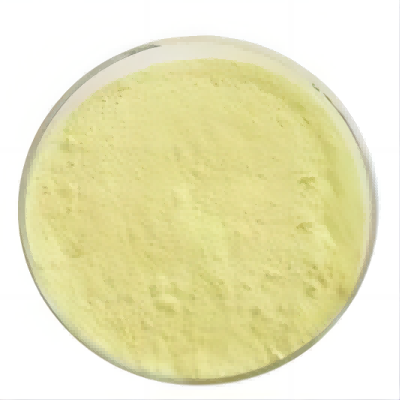
Thio-Nicotinamide Adenine Dinucleotide (Thio-NAD) CAS:4090-29-3
Thionicotinamide adenine dinucleotide is an analog of NAD. Use of Thio-NAD instead of NAD as a substrate for NAD(+)-consuming enzymes is more advantageous since the reduced form of Thio-NAD exhibits a substantial increase in absorbance at 405 nM, the most commonly available wavelength on microplate readers.
-
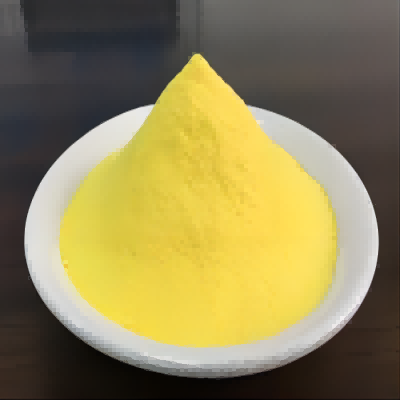
β-Nicotinamide Adenine Dinucleotide Phosphate Disodium Salt CAS:24292-60-2
β-Nicotinamide Adenine Dinucleotide Phosphate Disodium Salt is a coenzyme that is widely distributed in living matter, Participates in oxidation-reduction reactions. It serves as an electron carrier in a number of reactions, being alternately oxidized (NADP+) and reduced (NADPH).β-Nicotinamide Adenine Dinucleotide Phosphate Disodium Salt is a substance in which nicotinic acid amide adenine dinucleotide and a phosphate molecule are bound by ester bond. It is a hydrogen receptor and can be used for the development and development of a variety of in vitro diagnostic reagents.
-
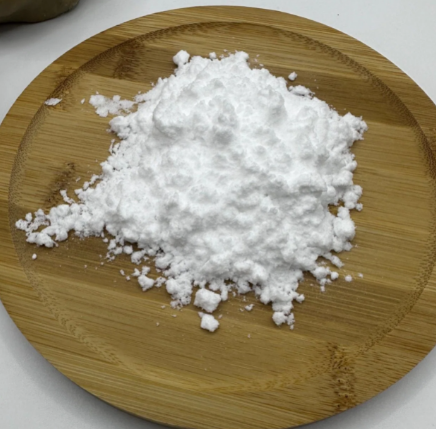
Vitamin B5 CAS:137-08-6 Manufacturer Price
Vitamin B5 feed grade, also known as pantothenic acid, is a vital nutrient used in animal feed to support growth, metabolism, and overall health. It plays a critical role in energy production, hormone synthesis, and nervous system function. Adding Vitamin B5 to animal diets helps optimize nutrient utilization, reduce stress, improve skin and coat health, and enhance reproductive performance. It is essential to meet animals’ Vitamin B5 requirements to prevent deficiencies and promote optimal well-being in livestock and poultry.
-
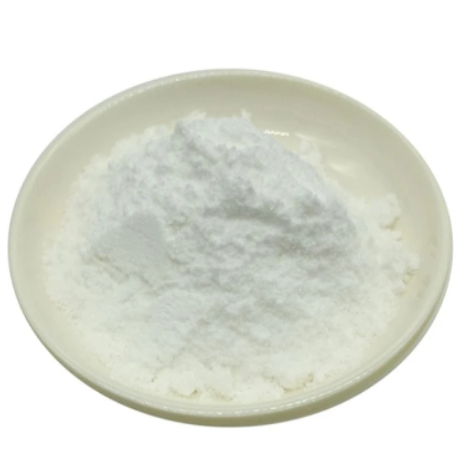
Vitamin B6 CAS:8059-24-3 Manufacturer Price
Feed-grade vitamin B6 is a synthetic form of vitamin B6, also known as pyridoxine, that is specifically formulated for use in animal feed. It is commonly added to animal feed to supplement the diets of livestock and poultry, as it plays a crucial role in many biological processes.Vitamin B6 is essential for the metabolism of amino acids, the building blocks of protein, and contributes to the synthesis of neurotransmitters and red blood cells. It also supports the immune system, helps maintain healthy skin and coat, and promotes overall growth and development in animals.Feed-grade vitamin B6 typically comes in the form of a powder or liquid and is incorporated into animal feed formulations at recommended levels to ensure that animals receive adequate amounts of this important nutrient. It is important to follow the recommended dosage guidelines provided by the manufacturer or a veterinarian to ensure proper supplementation and avoid any potential negative effects.