-
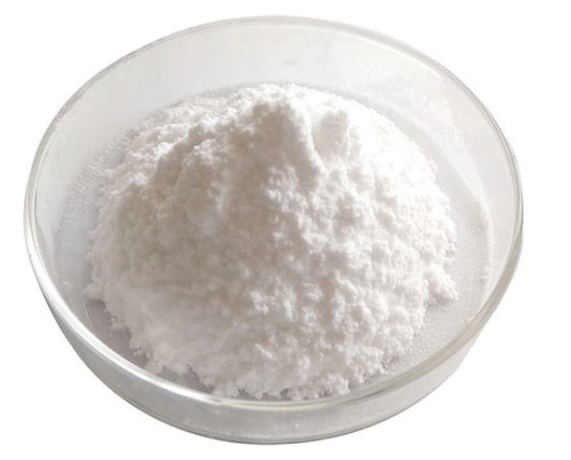
HEPPSO CAS:68399-78-0 Manufacturer Price
Beta-hydroxy-4-(2-hydroxyethyl)-1-piperazinepropanesulfonic acid, also known as HEPPS, is a chemical compound primarily used as a buffering agent in biological and biochemical research. It is commonly utilized in laboratory settings to maintain a stable pH level during experiments involving sensitive biological samples. HEPPS is a zwitterionic compound, meaning it carries both positive and negative charges, which allows it to effectively regulate pH in a wide range of solutions. Its solubility in water and ability to maintain pH stability over a range of temperatures make it a popular choice for various research applications.
-
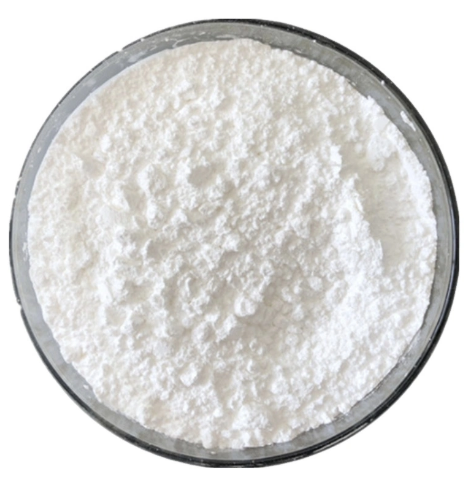
Beta-D-Galactose pentaacetate CAS:114162-64-0
Beta-D-galactose pentaacetate is a chemical compound that is derived from galactose, a type of sugar. It is formed by acetylating galactose with five acetyl groups. This modification increases the compound’s stability and allows it to be used in various chemical and biochemical applications.Beta-D-galactose pentaacetate is commonly used as a protective agent for galactose in organic reactions. It helps prevent unwanted reactions or side reactions by masking the reactive groups of galactose.Additionally, this compound is sometimes used as a precursor or starting material in the synthesis of other galactose derivatives. Its acetylated form allows for easier manipulation and modification of the galactose molecule in subsequent reactions.Overall, beta-D-galactose pentaacetate is a useful compound in chemical research and synthesis that provides stability and versatility for galactose-related reactions.
-
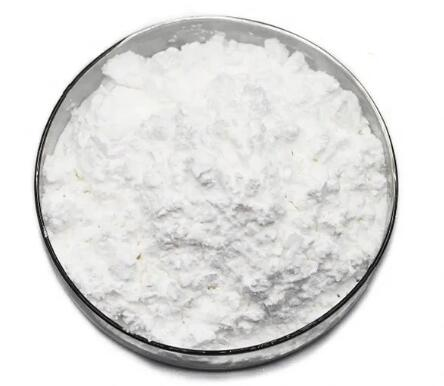
AMPSO CAS:68399-79-1 Manufacturer Price
AMPSO, or 3-[(1,1-dimethyl-2-hydroxyethyl)amino]-2-hydroxypropanesulfonic acid, is a zwitterionic buffer commonly used in biological and biochemical research. It has a pKa value of around 7.9, making it suitable for maintaining stable pH conditions in a variety of experimental settings.AMPSO is often utilized in cell culture media, protein purification, enzyme assays, electrophoresis gels, and DNA sequencing. It helps maintain the desired pH range, ensuring optimal conditions for cell growth, protein stability, enzyme activity, and accurate separation and analysis of biomolecules.With its ability to resist pH changes caused by addition of acids or bases, AMPSO is a valuable tool in maintaining precise pH control in a range of biological and biochemical experiments.
-

Bis-tris hydrochloride CAS:124763-51-5
Bis-tris hydrochloride is a compound with buffering properties commonly used in biochemical and biological experiments. It helps maintain a stable pH and is utilized in protein electrophoresis, enzyme activity assays, cell culture, and pharmaceutical formulations. Its main function is to resist changes in pH when acids or bases are added to a solution, making it an essential tool in various scientific and industrial applications.
-
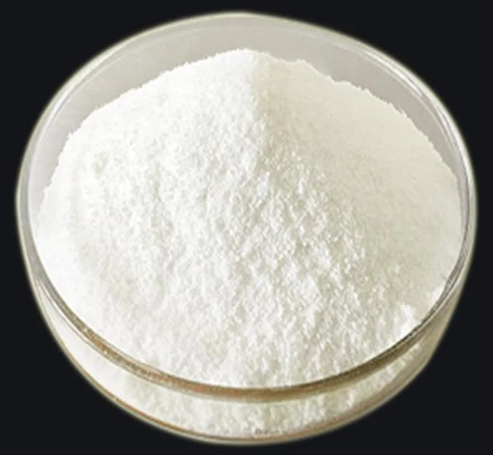
4-Nitrophenyl-alpha-D-glucopyranoside CAS:3767-28-0
4-Nitrophenyl-alpha-D-glucopyranoside is a chemical compound that is commonly used in biochemical experiments and assays. It is a substrate that can be cleaved by certain enzymes, such as glycosidases, to release a detectable product. Its structure consists of a glucose molecule (alpha-D-glucose) linked to a 4-nitrophenyl group. This compound is often used to study and measure the activity of enzymes involved in carbohydrate metabolism and glycosylation processes.
-
ALPS CAS:82611-85-6 Manufacturer Price
N-Ethyl-N-(3-sulfopropyl)aniline sodium salt is a chemical compound that contains an amine group (aniline) with an ethyl and sulfopropyl group attached to it. It is in the form of a sodium salt, meaning that it has been ionically bonded with a sodium ion to increase its solubility in water. This compound is commonly used in chemical synthesis, pharmaceuticals, and dye manufacturing. Its precise applications and properties can vary depending on the specific use case.
-
METHYL-BETA-D-GALACTOPYRANOSIDE CAS:1824-94-8
Methyl-beta-D-galactopyranoside is a chemical compound typically derived from galactose. It is a methylated form of beta-D-galactose, where a methyl group replaces one of the hydroxyl groups of the sugar molecule. This modification alters the properties of galactose, making it more stable and suitable for various applications in biochemistry and molecular biology. Methyl-beta-D-galactopyranoside is commonly used as a substrate in enzyme assays, particularly in studies involving the activity of beta-galactosidase. It is also utilized as a molecular probe to study carbohydrate recognition and interactions, especially in lectin-mediated processes.
-
2,3,4,6-TETRA-O-BENZOYL-ALPHA-D-GLUCOPYRANOSYL BROMIDE CAS:14218-11-2
2,3,4,6-Tetra-O-benzoyl-alpha-D-glucopyranosyl bromide is a chemical compound that belongs to the class of sugar derivatives. It consists of a glucose molecule with four benzoyl groups attached to its hydroxyl groups, along with a bromide atom at the anomeric position.
This compound is primarily used in organic and medicinal chemistry as a protecting group for the hydroxyl functionality of glucose. The benzoyl groups serve to temporarily mask the reactive hydroxyl groups, making them less susceptible to unwanted chemical reactions during synthetic processes. This allows for selective functionalization of specific hydroxyl groups in glucose derivatives.
Furthermore, the benzoyl-protected glucose derivatives can be used as building blocks for the synthesis of various glycosides and glycoconjugates. Glycosides are compounds formed by the linkage of a sugar molecule to another moiety, such as a drug or a natural product, and they find applications in drug development and chemical biology.
-
MOPS CAS:1132-61-2 Manufacturer Price
MOPS, or 3-(N-morpholino)propanesulfonic acid, is a zwitterionic buffering agent commonly used in biological and biochemical research. It is primarily employed to maintain a stable pH in the range of 6.5 to 7.9. MOPS is widely used in cell culture, molecular biology techniques, protein analysis, enzyme reactions, and electrophoresis. Its main function is to regulate and stabilize the pH of experimental solutions, ensuring optimal conditions for various biological processes. MOPS is a valuable tool in scientific research for maintaining a consistent and optimal pH environment in a range of applications.
-

POPSO CAS:68189-43-5 Manufacturer Price
POPSO, short for Piperazine-N,N’-bis(2-hydroxypropanesulfonic acid) sesquisodium salt, is a buffering agent commonly used in biological and biochemical research. It helps maintain a stable pH level in solutions, particularly within the physiological pH range. PIPES sesquisodium salt is used in cell culture, protein biochemistry, electrophoresis, molecular biology techniques, drug delivery systems, and more. Its ability to regulate pH makes it a valuable tool in various research and industrial applications.
-
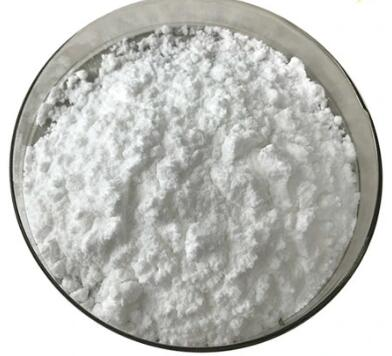
Tris Base CAS:77-86-1 Manufacturer Price
Tris Base, also known as Tromethamine or THAM, is an organic compound commonly used in the field of biochemistry and molecular biology. It is a white, crystalline powder that is highly soluble in water and has a characteristic amine odor. Tris Base is often used as a buffering agent to maintain a stable pH in various biological experiments and procedures, such as DNA and protein studies. It can also be used in the formulation of pharmaceuticals and in the production of surface-active agents. Overall, Tris Base is an essential component in many laboratory applications where maintaining a precise pH is crucial.
-
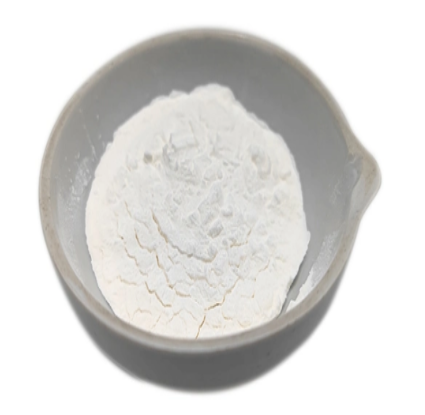
DAOS CAS:83777-30-4 Manufacturer Price
N-Ethyl-N-(2-hydroxy-3-sulfopropyl)-3,5-dimethoxyaniline sodium salt is a chemical compound that belongs to the class of sulfonated anilines. It is a sodium salt form, meaning it is in the form of a crystalline solid that is soluble in water. This compound has a molecular formula of C13H21NO6SNa.
It possesses both alkyl and sulfo groups, which make it useful in various applications. It is commonly utilized as a dye intermediate in the production of organic dyes, especially those used in the textile industry. This compound imparts color and improves the stability of dyes, enhancing their performance and durability.
Furthermore, it can also serve as a surfactant due to its hydrophilic sulfonate group and hydrophobic alkyl group. This property allows it to reduce the surface tension of liquids, making it valuable in detergent formulations, emulsion stabilizers, and other industrial processes that involve the dispersion of substances.