-
2,3,4,6-Tetra-O-benzyl-D-galactopyranose CAS:53081-25-7
2,3,4,6-Tetra-O-benzyl-D-galactopyranose is a compound commonly used in organic synthesis, specifically in the field of carbohydrate chemistry. It serves as a protecting group for the hydroxyl groups of galactose, which prevents unwanted reactions during chemical transformations. The compound consists of a galactose molecule with four benzyl groups attached to the hydroxyl groups at positions 2, 3, 4, and 6 of the galactose ring.
The presence of benzyl groups shields the hydroxyl groups, making them unreactive, while preserving the reactivity of other functional groups in the molecule. This enables selective modifications of galactose or further transformations to occur without affecting the protected hydroxyl groups.
2,3,4,6-Tetra-O-benzyl-D-galactopyranose is commonly used as a starting material for the synthesis of complex carbohydrates, glycoconjugates, or other compounds containing galactose residues. It is particularly useful in glycosylation reactions, where it acts as an effective glycosyl donor, facilitating the attachment of galactose to acceptor molecules.
-
TAPS CAS:29915-38-6 Manufacturer Price
TAPS (3-(N-morpholino)propanesulfonic acid) is a zwitterionic buffering agent commonly used in biological and biochemical research. It is highly effective in maintaining stable pH conditions, making it a valuable tool in experiments and processes that require precise pH control. TAPS is used in cell culture, molecular biology techniques, protein analysis, enzyme kinetics studies, and biochemical assays. Its buffering capacity and compatibility with various biological systems make it a versatile and reliable choice for maintaining optimal pH environments.
-
3-(cyclohexylamino)-2-hydroxy-1-propanesuhicic acid CAS:73463-39-5
3-(cyclohexylamino)-2-hydroxy-1-propanesuhicic acid is a chemical compound with the molecular formula C12H23NO3S. It belongs to a family of compounds known as sulfonic acids. This particular compound contains a cyclohexylamino group, a hydroxy group, and a propanesuhicic acid moiety. It is used in various industrial applications, including as a building block in organic synthesis and as a reagent in pharmaceutical research. The compound’s unique structure and properties make it suitable for specific chemical reactions and scientific investigations.
-

Tris-HCl CAS:1185-53-1 Manufacturer Price
Tris-HCl, also known as Tris hydrochloride, is a commonly used biological buffer in various applications. It is a combination of Tris (tris(hydroxymethyl)aminomethane) and hydrochloric acid. This buffer system is effective in maintaining a stable pH environment, particularly in the range of pH 7-9. Tris-HCl is widely used in molecular biology techniques, protein biochemistry, enzymology, and other biochemical applications. It helps maintain the optimal pH conditions required for these procedures, ensuring the stability and activity of proteins, enzymes, and nucleic acids. Tris-HCl is available in different forms, such as powder or concentrated solutions, making it easy to prepare and use in various laboratory settings.
-
2-Chloroethanesulfonic acid CAS:15484-44-3
2-Chloroethanesulfonic acid, also known as chloroethanesulfonic acid or CES, is an organic compound with the chemical formula C2H5ClSO3H. It is a clear, colorless liquid that is highly soluble in water and polar organic solvents.
CES is widely used as a versatile chemical intermediate in various industries. It is primarily employed in the synthesis of pharmaceuticals, agrochemicals, and organic dyes. Its sulfonic acid group makes it a useful reagent for introducing sulfonic acid functionality into organic molecules, which can enhance their solubility, stability, or bioactivity.
Due to its strong acidity, CES can also be utilized as a catalyst or acidic reagent in organic reactions. Its acidic nature allows it to promote reactions such as esterifications, acylations, and sulfonations. Additionally, it can serve as a pH adjuster, buffering agent, or corrosion inhibitor in industrial processes.
-
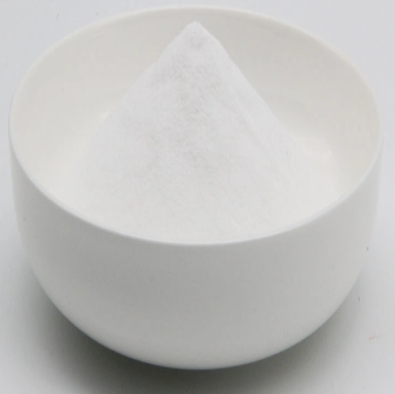
MES sodium salt CAS:71119-23-8
MES sodium salt, also known as 2-(N-morpholino)ethanesulfonic acid sodium salt, is a chemical compound commonly used as a buffering agent. It is an acid with a pKa value of approximately 6.15. MES sodium salt is highly soluble in water and its effective buffering range is around pH 5.5 to 6.7. It is widely utilized in biochemical and biological research, as well as in various chemical reactions, protein purification, gel electrophoresis, enzyme studies, and cell culture experiments. The sodium salt form enhances the compound’s solubility and stability, making it easier to handle and use in laboratory settings.
-

Ada Monosodium CAS:7415-22-7
N-(2-Acetamido)iminodiacetic acid monosodium salt, also known as sodium iminodiacetate or sodium IDA, is a chemical compound commonly used as a chelating agent and buffering agent in various industries and scientific applications.
Its chemical structure consists of an iminodiacetic acid molecule with an acetamido functional group attached to one of the nitrogen atoms. The monosodium salt form of the compound provides improved solubility and stability in aqueous solutions.
As a chelating agent, sodium iminodiacetate has a high affinity for metal ions, particularly calcium, and can effectively sequester and bind them, preventing undesired reactions or interactions. This property makes it useful in a wide range of applications, including chemistry, biochemistry, pharmacology, and manufacturing processes.
In addition to its chelation capabilities, sodium iminodiacetate also acts as a buffering agent, helping to maintain the desired pH of a solution by resisting changes in acidity or alkalinity. This makes it valuable in various analytical techniques and biological experiments where precise pH control is necessary.
-
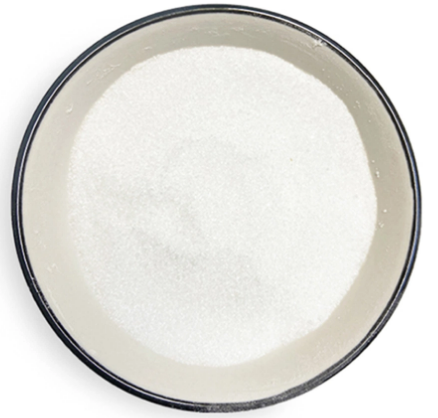
4-(2-hydroxyethyl)piperazine-1-ethane-sulfon.ac. hemiso.S CAS:103404-87-1
4-(2-Hydroxyethyl)piperazine-1-ethanesulfonic acid hemisodium salt, also known as CAPSO Na, is a chemical compound commonly used as a buffering agent in biochemical and molecular biology applications. It is a zwitterionic salt that helps regulate and maintain a stable pH within a specific range. CAPSO Na is compatible with biological systems, making it suitable for various enzymatic assays, protein purification techniques, and cell culture media. It is also used in electrophoresis techniques and is known for its pH stability and compatibility with enzymes.
-
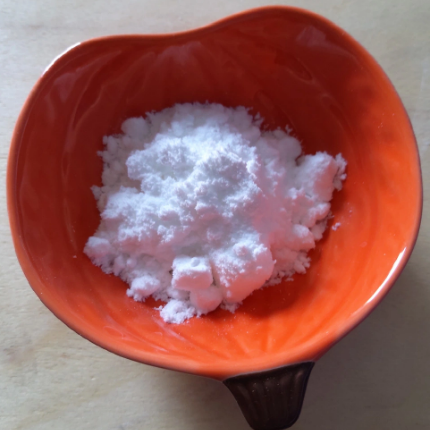
D-Glucuronic acid CAS:6556-12-3
D-Glucuronic acid is a sugar acid derived from glucose, and it is naturally found in the human body and various plant and animal tissues. It plays a crucial role in detoxification, binding to and eliminating toxins and drugs from the body. Additionally, D-Glucuronic acid is involved in the synthesis and metabolism of various molecules, including glycosaminoglycans, which are important for connective tissues. It has antioxidant properties and potential health benefits, and it is used in dietary supplements and skincare products.
-

disodium 2-hydroxyethyliminodi CAS:135-37-5
Disodium 2-hydroxyethyliminodi is a chemical compound that belongs to the class of organic salts. It is commonly used as a buffering agent and pH adjuster in various laboratory and industrial applications. This compound helps maintain a stable pH environment and is often used in biotechnology, pharmaceutical, and biochemical research. Additionally, it may have other applications such as in food and beverage processing, cosmetics, and personal care products. Overall, disodium 2-hydroxyethyliminodi is a versatile compound with important uses in maintaining pH stability in various industries.
-
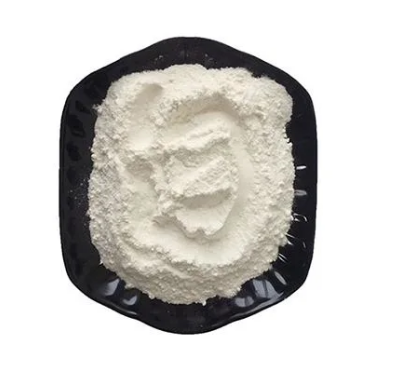
MOBS CAS:115724-21-5 Manufacturer Price
4-morpholin-4-ylbutane-1-sulfonic acid, also known as MOBS, is a synthetic organic compound used as a buffering agent in biological and biochemical research. It is stable and can maintain a stable pH in the neutral to slightly alkaline range. MOBS is widely used in cell culture, enzyme assays, molecular biology techniques, and electrophoresis. It is compatible with a variety of reagents and is known for its stability and resistance to changes in temperature and pH.
-
HEIDA CAS:93-62-9 Manufacturer Price
N-(2-Hydroxyethyl)iminodiacetic acid (HEIDA) is a chemical compound with multiple applications in various fields. It is a chelating agent, meaning it has the ability to bind to metal ions and form stable complexes.
In analytical chemistry, HEIDA is often used as a complexing agent in titrations and analytical separations. It can be employed to sequester metal ions, such as calcium, magnesium, and iron, and thereby prevent them from interfering with the accuracy of analytical measurements.
HEIDA also finds application in the pharmaceutical industry, particularly in the formulation of certain medications. It can be used as a stabilizer and solubilizing agent for poorly soluble drugs, helping to improve their bioavailability and efficacy.
Another area of use for HEIDA is in the field of wastewater treatment and environmental remediation. It can be employed as a sequestering agent to remove heavy metal contaminants from water or soil, thereby reducing their toxicity and promoting remediation efforts.
Additionally, HEIDA has been utilized in the synthesis of coordination compounds and metal-organic frameworks (MOFs), which have various applications in catalysis, gas storage, and sensing.