-
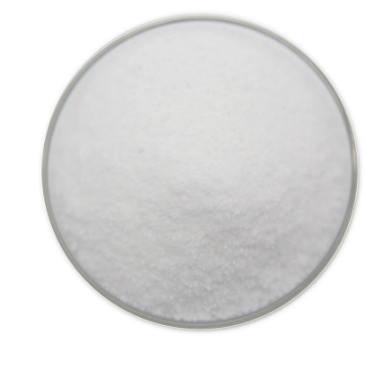
popso sesquisodium CAS:108321-08-0
Piperazine-N,N’-bis(2-hydroxypropanesulfonic acid) sesquisodium salt, also known as PIPES sesquisodium salt, is a chemical compound used as a buffering agent in various scientific and industrial applications. It helps maintain a stable pH level in solutions, particularly in the physiological pH range. PIPES sesquisodium salt is commonly used in cell culture media, protein biochemistry, electrophoresis, molecular biology techniques, and drug delivery systems. It acts as a pH regulator and enhancer for enzyme activity and stability, making it valuable in a wide range of research and industrial processes.
-

piperazine-1,4-bis(2-ethanesulfonic acid) disodium salt CAS:76836-02-7
Disodium piperazine-1,4-diethanesulphonate is a chemical compound that is commonly used as a buffering agent and stabilizer in various scientific and medical applications. It is an organic sodium salt derived from piperazine and diethanesulphonic acid.
This compound is highly soluble in water and has a white crystalline appearance. It is known for its pH-regulating properties, helping to maintain the acidity or alkalinity of solutions within a desired range.
One major application of disodium piperazine-1,4-diethanesulphonate is in the field of electrophysiology and neurobiology. It is often used as a component of electrophysiological recording solutions and cell culture media to maintain the stability and integrity of cells and tissues during experimental procedures.
Additionally, this compound has been found to have some neuroprotective and antioxidant effects, making it potentially useful in research related to the central nervous system and oxidative stress.
-

Desvenlafaxine Succinate CAS:386750-22-7
Desvenlafaxine Succinate is a dual serotonin and norepinephrine reuptake inhibitor (SNRI) that was approved for the treatment of major depressive disorder (MDD) in the United States in 2008. In order to improve the efficacy and safety profile of venlafaxine, Wyeth discovered and developed one of the major metabolites of venlafaxine, namely the O-desmethyl metabolite (desvenlafaxine).
-
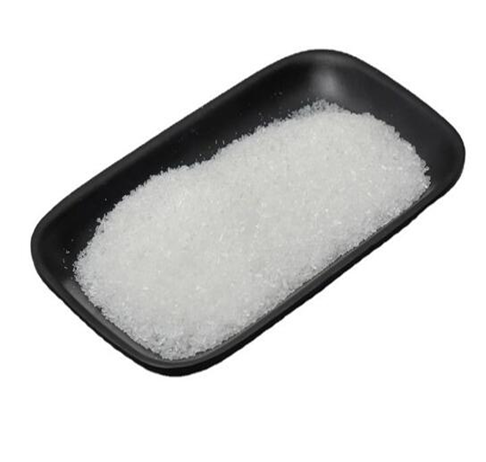
Diammonium Phosphate (DAP) CAS:7783-28-0
Diammonium Phosphate (DAP) feed grade is a commonly used phosphorus and nitrogen fertilizer that can also be used as a nutritional supplement in animal feed. It is composed of ammonium and phosphate ions, providing both essential nutrients for animal growth and development.
DAP feed grade typically contains a high concentration of phosphorus (around 46%) and nitrogen (around 18%), making it a valuable source of these nutrients in animal nutrition. Phosphorus is vital for various physiological functions, including bone formation, energy metabolism, and reproduction. Nitrogen plays a crucial role in protein synthesis and overall growth.
When incorporated into animal feed, DAP feed grade can help meet the phosphorus and nitrogen requirements of livestock and poultry, promoting healthy growth, reproduction, and overall productivity.
It is important to consider the specific nutritional needs of the animals and work with a qualified nutritionist or veterinarian to determine the appropriate inclusion rate of DAP feed grade in the feed formulation.
-
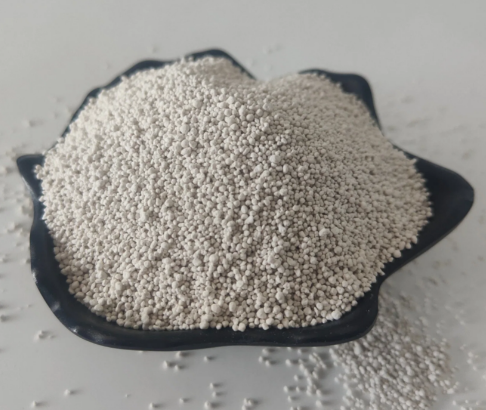
Monodicalcium Phosphate (MDCP) CAS:7758-23-8
Monodicalcium Phosphate (MDCP) feed grade is a nutritional supplement commonly used in animal feed. It is a calcium and phosphorus source that supports proper bone development, muscle function, and overall growth in animals. MDCP is easily absorbed and utilized by animals, optimizing nutrient utilization and promoting better growth and performance. It can be used in various forms, such as powder or granules, and is typically included in animal feeds as premixes, concentrates, or complete feeds. Dosage instructions and consultation with a qualified nutritionist or veterinarian are recommended for proper use.
-
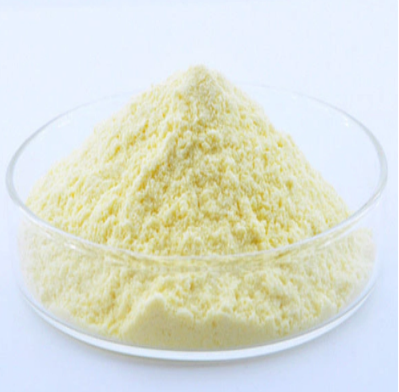
Phytase CAS:37288-11-2 Manufacturer Price
Phytase is the third generation of phytase, which is a single enzyme preparation using advanced liquid submerged fermentation technology and processed by unique aftertreatment technology. It can hydrolyze phytic acid to release inorganic phosphorus, improve the utilization rate of phosphorus in feed, and reduce the use of inorganic phosphorus sources, and promote the release and absorption of other nutrients, reducing the cost of feed formulation; At the same time, it can also reduce the emission of phosphorus in animal feces and protect the environment. It is a green and environmentally friendly feed additive.
-
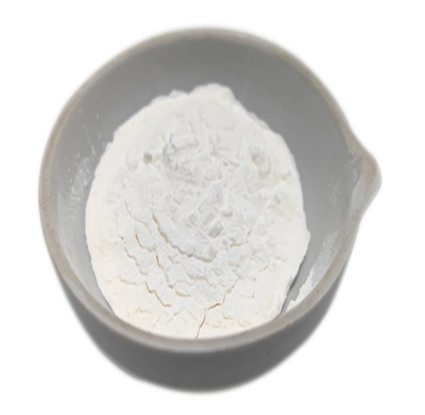
β-Glucanase CAS:9025-70-1 Manufacturer Price
Beta-Glucanase BG-4000 is a kind of microbial enzyme produced by submerged culture. It is endoglucanase which specifically hydrolyzes beta-1, 3 and beta-1, 4 glycosidic linkages of Beta-Glucan to produce oligosaccharide containing 3~5 glucose unit and glucose.
Dextranase enzyme refers to the total name of multiple enzyme which can catalyze and hydrolyze β- glucan.
dextranase enzyme in plants exists with kinds of Complex molecules polymer together such as:amylum,pectin, xylan, cellulose, protein, lipid and so on. So, dextranase enzyme can be used only, but the more effective way to hydrolyzing cellulose is the mixed use with other relative enzymes, in which the use-cost will be reduced.
-
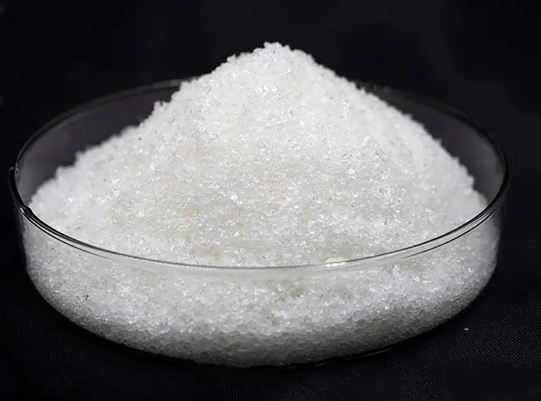
Monosodium Phosphate (MSP) CAS:7758-80-7
Monosodium Phosphate (MSP) feed grade is a phosphorus-based feed additive used to provide essential nutrients and promote animal health. It acts as an acidulant and pH regulator, improving feed digestion and utilization, as well as enhancing reproductive performance. MSP feed grade facilitates the formulation of balanced rations for different animal species and production stages, ensuring optimal nutrient intake.
-
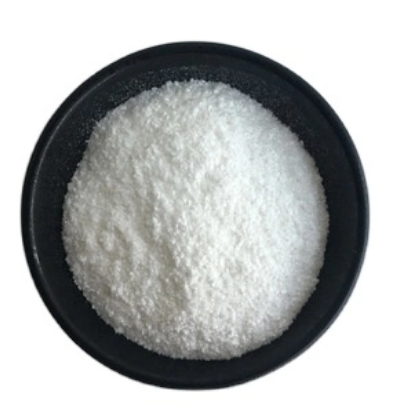
Cellulase CAS:9012-54-8
Cellulase is made from the strain of Trichoderma reesi through cultivation and extraction technique. This product can be used for feedstuff, brewing, grain processing, treatment of textiles with cotton, , stick gum or yarn as plus material and Lyocell fabric. It can also be used for the stonewash of jean garments together with pumice, or solely used for the ferment washing of different styles of jean fabric.
-
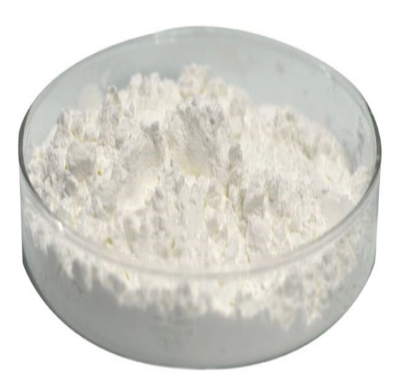
Tricalcium Phosphate (TCP) CAS:68439-86-1
Tricalcium Phosphate (TCP) feed grade is a calcium and phosphorus supplement commonly used in animal feed. It is a white, powdery substance that provides essential minerals for proper growth, bone development, and overall health in animals. TCP feed grade is easily absorbed and utilized by animals, promoting better nutrient utilization and improved performance. It is particularly beneficial for young, growing animals and can be used in various animal diets, including poultry, swine, ruminant, and aquaculture feeds. The inclusion level of TCP in animal feed should be determined based on specific nutritional requirements and diet formulation, following recommended guidelines and consulting with a nutritionist or veterinarian.
-
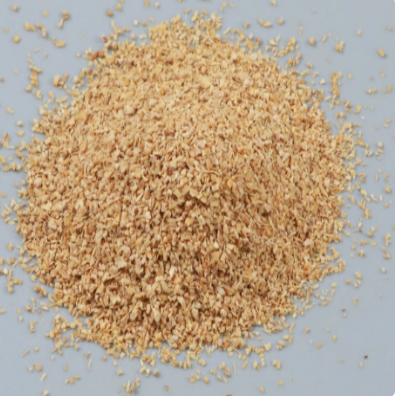
Vitamin B4 (Choline Chloride 60% Corn Cob) CAS:67-48-1
Choline Chloride, commonly known as Vitamin B4, is a vital nutrient for animals, particularly poultry, swine, and ruminants. It is essential for various physiological functions in animals, including liver health, growth, fat metabolism, and reproductive performance.
Choline is a precursor to acetylcholine, a neurotransmitter that plays a crucial role in nerve function and muscle control. It also contributes to the formation of cell membranes and helps in the transport of fat in the liver. Choline Chloride is beneficial in preventing and treating conditions like fatty liver syndrome in poultry and hepatic lipidosis in dairy cows.
Supplementing animal feed with Choline Chloride can have several positive effects. It can improve growth, enhance feed efficiency, and support proper fat metabolism, resulting in increased lean meat production and improved weight gain. Additionally, Choline Chloride aids in the synthesis of phospholipids, which are critical for maintaining the integrity of cell membranes and overall cellular function.
In poultry, Choline Chloride has been linked to improved livability, reduced mortality, and enhanced egg production. It is particularly important during periods of high energy demand, such as growth, reproduction, and stress.
-
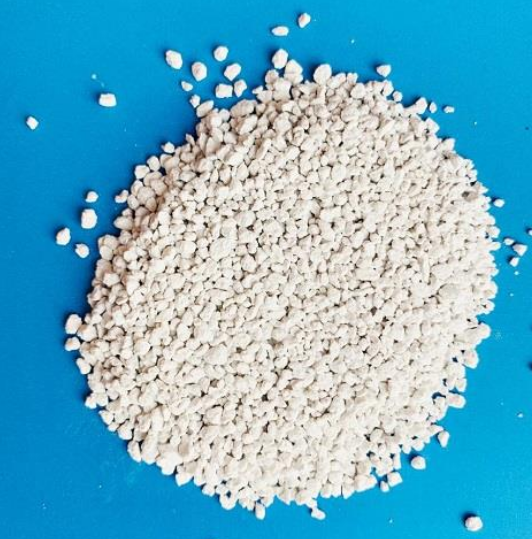
Dicalcium Phosphate (DCP) CAS:7757-93-9
Dicalcium Phosphate (DCP) is a feed grade supplement commonly used in animal feed formulations. It is a highly bioavailable source of phosphorus and calcium, essential nutrients for proper growth, bone development, and overall animal health. DCP feed grade is produced through the reaction of calcium carbonate and phosphate rock, resulting in a white to light gray powder. It is typically added to livestock and poultry feeds to ensure optimal nutrient balance and promote improved feed utilization and productivity. DCP feed grade is considered safe and effective in meeting the dietary requirements of various animal species, including poultry, swine, cattle, and aquaculture.