-

P-NITROPHENYL BETA-D-LACTOPYRANOSIDE CAS:4419-94-7
P-Nitrophenyl beta-D-lactopyranoside, also known as PNPG, is a compound often used in enzymatic assays to measure the activity of beta-galactosidase, an enzyme involved in carbohydrate metabolism. PNPG is a synthetic substrate that can be cleaved by beta-galactosidase, resulting in the release of a yellow-colored product. The extent of substrate hydrolysis can be quantified spectrophotometrically by measuring the absorbance of the product at a specific wavelength. This allows researchers to assess the activity and kinetics of beta-galactosidase in various contexts, such as studying enzyme function, screening for enzyme inhibitors or activators, or evaluating the effects of mutations on enzyme activity.
-

2-NAPHTHYL-BETA-D-GALACTOPYRANOSIDE CAS:312693-81-5
2-NAPHTHYL-BETA-D-GALACTOPYRANOSIDE is a chemical compound commonly used in biochemical research and analysis. It is a derivative of galactose, a type of sugar. The compound is often used as a substrate for detecting the activity of beta-galactosidase, an enzyme present in many organisms, including bacteria.When beta-galactosidase is present, it cleaves 2-NAPHTHYL-BETA-D-GALACTOPYRANOSIDE into naphthol and galactose. The resulting naphthol molecule can be easily detected by its absorption of ultraviolet light, allowing scientists to measure the activity of beta-galactosidase. This assay is commonly used in molecular biology and genetics research, for applications such as studying gene regulation, protein expression, and cell viability.
-
MOPSO sodium salt CAS:79803-73-9
MOPSO sodium salt is a chemical compound derived from MOPS (3-(N-morpholino)propanesulfonic acid). It is a zwitterionic buffer salt, meaning it contains both a positive and negative charge, which allows it to effectively maintain pH stability in various biological and biochemical experiments.
The sodium salt form of MOPSO offers advantages such as improved solubility in aqueous solutions, making it easier to handle and prepare. It is commonly used as a buffering agent in cell culture media, molecular biology techniques, protein analysis, and enzyme reactions.
MOPSO sodium salt helps maintain the pH of growth medium in cell culture, providing a stable environment for cell growth and function. In molecular biology techniques, it stabilizes the pH of reaction mixtures and running buffers, ensuring accurate and reliable results in DNA and RNA isolation, PCR, and gel electrophoresis.
It is also utilized in protein analysis, acting as a buffering agent during protein purification, quantification, and electrophoresis. MOPSO sodium salt ensures optimal pH conditions for protein stability and activity throughout these procedures.
-
TOOS CAS:82692-93-1 Manufacturer Price
Sodium 3-(N-ethyl-3-methylanilino)-2-hydroxypropanesulfonate is a chemical compound commonly known as MESNa. It is primarily used as a reducing agent in biochemistry and molecular biology. MESNa has the ability to break disulfide bonds in proteins, converting them into sulfhydryl groups. This reduction process is essential for various applications such as protein denaturation, preventing protein aggregation, protein labeling, and protein refolding. MESNa plays a vital role in protein manipulation, analysis, and modification in scientific research.
-

PIPES sesquisodium salt CAS:100037-69-2
PIPES sesquisodium salt is a chemical compound commonly known as PIPES. It is a buffering agent and biological buffer used in various scientific research applications. PIPES is particularly useful for maintaining a stable pH in the physiological range of 6.1-7.5. It is stable over a wide range of temperatures, making it suitable for use in experiments performed under varying conditions. PIPES is commonly employed in cell culture, protein and enzyme studies, gel electrophoresis, and various molecular biology techniques. It is important to consult proper references or experts for guidance on the specific concentration and conditions of use for PIPES in your research.
-
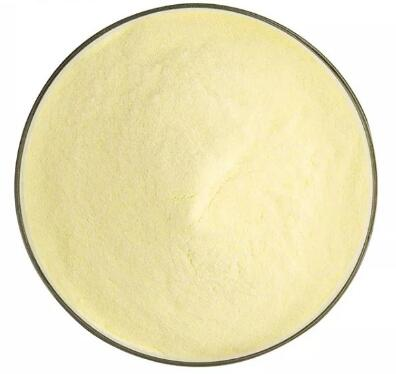
2-NITROPHENYL-BETA-D-GLUCOPYRANOSIDE CAS:2816-24-2
2-Nitrophenyl-beta-D-glucopyranoside is a chemical compound consisting of a glucopyranoside molecule attached to a nitrophenyl group. It is commonly used as a substrate in enzymatic assays to detect and quantify the activity of enzymes such as beta-glucosidase. The nitrophenyl group can be cleaved by the enzyme, resulting in the release of a yellow-colored product that can be measured spectrophotometrically. This compound is particularly useful in studying enzyme kinetics and high-throughput screening of enzyme inhibitors or activators. It is also employed in biochemical research for the investigation of carbohydrate metabolism and as a glycosidic-linkage-specific substrate.
-
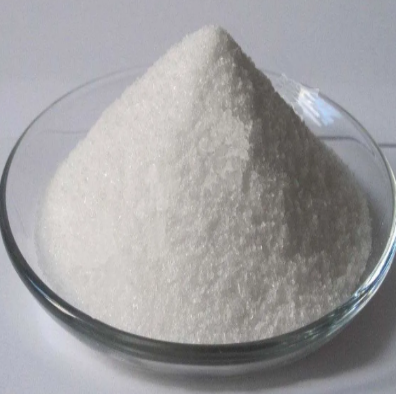
METHYL Beta-D-GLUCOPYRANOSIDE HEMIHYDRATE CAS:7000-27-3
Methyl beta-D-glucopyranoside hemihydrate is a chemical compound that belongs to the class of glucopyranosides. It is a white crystalline powder that is soluble in water. This compound is commonly used as a carbohydrate source in cell culture media and a substrate for enzymatic reactions in biochemical and biotechnological research. It can serve as a model compound to study carbohydrate metabolism, transport, and utilization in various biological systems. Methyl beta-D-glucopyranoside hemihydrate finds applications in the field of glycobiology, enzymology, and drug development, where it is utilized as a tool compound for various assays and experiments.
-
Dipso sodium CAS:102783-62-0 Manufacturer Price
3-[N,N-Bis(hydroxyethyl)amino]-2-hydroxypropanesulphonic acid sodium salt, also known as BES sodium salt, is a chemical compound commonly used in biochemical research and pharmaceutical applications. It is a sulfonic acid derivative with the sodium salt form, making it water-soluble and stable in aqueous solutions.
BES sodium salt has a molecular formula of C10H22NNaO6S and a molecular weight of approximately 323.34 g/mol. It is often utilized as a buffering agent due to its ability to maintain a stable pH range in solutions.
This compound is known for its excellent capability to resist pH changes caused by dilution or addition of acids and bases. It is commonly used in biological and enzymatic reactions, cell culture media, protein purification, and other applications where precise control of pH is crucial.
-
4-Nitrophenyl-beta-D-glucopyranoside CAS:2492-87-7
4-Nitrophenyl-beta-D-glucopyranoside is a substrate commonly used in biochemical experiments to assess the activity of enzymes such as β-glucuronidase. This compound is hydrolyzed by the enzyme, resulting in the release of 4-nitrophenol, which can be measured using spectrophotometry. Its use enables researchers to study various aspects of drug metabolism, toxicology, and clinical diagnostics related to glucuronidation reactions.
-
AMPD CAS:115-69-5 Manufacturer Price
2-Amino-2-methyl-1,3-propanediol, also known as AMPD or α-methyl serinol, is a chemical compound with the molecular formula C4H11NO2. It is an amino alcohol that is commonly used as a chemical intermediate in the synthesis of pharmaceuticals and organic compounds. AMPD is known for its ability to act as a chiral auxiliary in asymmetric reactions, making it valuable in the production of enantiomerically pure compounds. Additionally, it has been utilized as an ingredient in personal care and cosmetic products for its moisturizing properties.
-
Egtazic acid CAS:67-42-5 Manufacturer Price
Ethylenebis(oxyethylenenitrilo)tetraacetic acid (EGTA) is a chelating agent commonly used in biological and chemical research. It is a synthetic compound that is derived from ethylenediamine and ethylene glycol. EGTA has a high affinity for divalent metal ions, particularly calcium, and is widely used to chelate and sequester these ions in various applications such as in cell culture, enzyme assays, and molecular biology techniques. By binding to calcium and other metal ions, EGTA helps to regulate their concentrations, thus influencing various biochemical processes.
-

BES CAS:10191-18-1 Manufacturer Price
N,N-Bis(hydroxyethyl)-2-aminoethanesulfonic acid, also known as BES or N,N-Bis(2-hydroxyethyl)aminoethanesulfonic acid, is a chemical compound that is commonly used as a buffering agent in various scientific and industrial applications.
BES is a zwitterionic compound, meaning it has both positive and negative charges within its structure. This property allows it to effectively maintain a stable pH in solutions.
BES has a pKa value of approximately 7.4, making it particularly useful for buffering at physiological pH levels. It is often utilized in biological and biochemical experiments, such as protein purification, enzyme reactions, and cell culture, where maintaining a specific pH is critical.
Additionally, BES is widely used in electrophoresis techniques, as it helps maintain the pH necessary for the separation and analysis of charged biomolecules, such as proteins and nucleic acids.