-
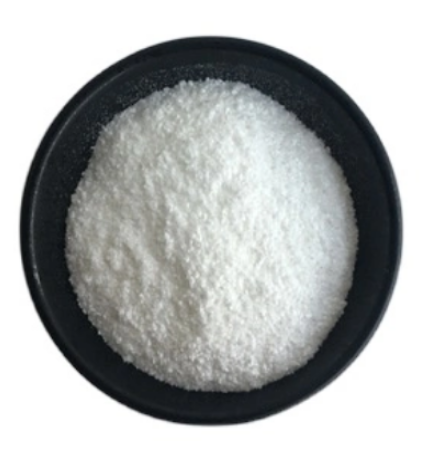
3-HYDROXY-4-(5-NITROPYRIDYLAZO)PROPYLANI CAS:143205-66-7
3-HYDROXY-4-(5-NITROPYRIDYLAZO)PROPANAL, also known as NBD-aldehyde, is a compound commonly used in biochemistry and molecular biology research.
-

Tris(hydroxymethyl)nitromethane CAS:126-11-4
Tris(hydroxymethyl)nitromethane, commonly referred to as Tris or THN, is a chemical compound with the molecular formula C4H11NO4. It is a pale yellow crystalline solid that is highly soluble in water. Tris is widely used as a buffering agent in biochemical and molecular biology applications. It helps maintain a stable pH range in solutions, making it invaluable for various techniques such as DNA and RNA isolation, PCR, gel electrophoresis, protein purification, cell culture, protein chemistry, enzymology, and biochemical assays. Tris’s buffering properties allow for optimal conditions in these experiments, ensuring accurate and reliable results.
-

HEPES-Na CAS:75277-39-3 Manufacturer Price
HEPES sodium salt, also known as N-(2-Hydroxyethyl)piperazine-N’-2-ethanesulfonic acid sodium salt, is a zwitterionic buffer commonly used in biological and biochemical research. Its primary function is to maintain a stable pH level in various experimental systems. HEPES sodium salt is highly versatile, stable, and non-toxic, making it suitable for a wide range of applications including cell culture, enzyme kinetics, immunoassays, and molecular biology experiments. It is compatible with many biological samples and systems, providing a controlled environment for precise pH regulation.
-
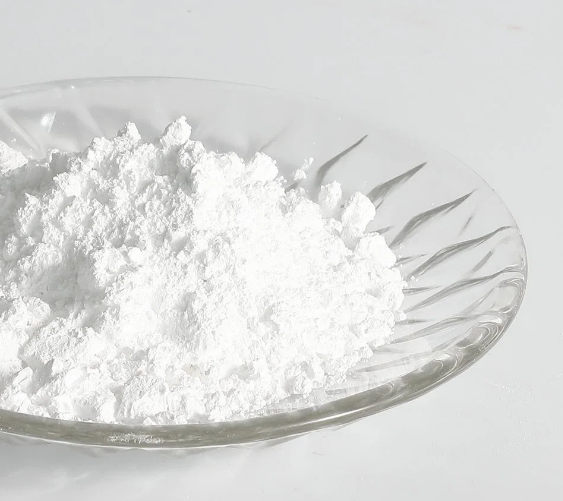
Glucose-pentaacetate CAS:604-68-2
Glucose pentaacetate, also known as beta-D-glucose pentaacetate, is a chemical compound derived from glucose. It is made by acetylating five of the hydroxyl groups present in glucose with acetic anhydride, resulting in the attachment of five acetyl groups. This acetylated form of glucose can be used in various chemical reactions as a starting material, protective group, or as a carrier for controlled drug release. It is also commonly used in chemical research and analysis.
-

MES HEMISODIUM SALT CAS:117961-21-4
2-Amino-2-methyl-1,3-propanediol, also known as AMPD or α-methyl serinol, is a chemical compound with the molecular formula C4H11NO2. It is an amino alcohol that is commonly used as a chemical intermediate in the synthesis of pharmaceuticals and organic compounds. AMPD is known for its ability to act as a chiral auxiliary in asymmetric reactions, making it valuable in the production of enantiomerically pure compounds. Additionally, it has been utilized as an ingredient in personal care and cosmetic products for its moisturizing properties.
-
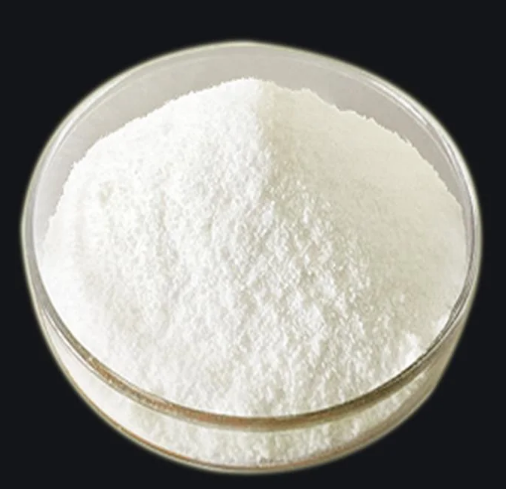
popso disodium CAS:108321-07-9
Piperazine-N,N’-bis(2-hydroxypropanesulphonic acid) disodium salt is a chemical compound composed of piperazine, bis(2-hydroxypropanesulphonic acid) groups, and two sodium ions. It is commonly used as a buffering agent and pH regulator in various industrial and laboratory applications. The compound helps maintain a specific pH in solutions, making it useful in processes such as protein purification, molecular biology, and pharmaceutical research. Additionally, it can also act as a chelating agent for metal ions and stabilize enzyme activity in certain biochemical reactions.
-
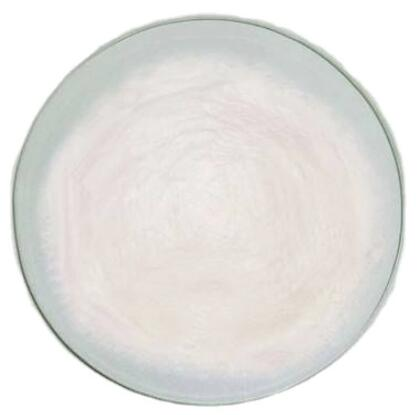
N-ethyl-N-(3-sulfopropyl)-M-anisidinesodium CAS:82611-88-9
N-Ethyl-N-(3-sulfopropyl)-3-methoxyaniline sodium salt is a chemical compound that contains an N-ethyl group, a sulfopropyl group, and a 3-methoxyaniline group. It is commonly present as a sodium salt, which enhances its solubility in water.
This compound has various applications in industrial and research settings. It can be utilized as a dye intermediate, catalyst, or as a reagent in organic synthesis. Its properties, such as solubility, stability, and reactivity, make it suitable for specific applications in various fields.
-
2,3,5,6-Di-O-isopropylidene-α-D-mannofuranose CAS:14131-84-1
2,3,5,6-Di-O-isopropylidene-α-D-mannofuranose is a compound used in organic synthesis as a protecting group for the hydroxyl groups of mannose. By attaching isopropylidene groups to the hydroxyl groups at positions 2, 3, 5, and 6 of the mannose ring, this compound helps to prevent undesirable reactions from occurring at those sites. This protection allows for selective modifications at other functional groups in the molecule. It is commonly used in the synthesis of complex carbohydrates and glycoconjugates, which play important roles in biological processes and have applications in areas such as drug delivery, diagnostics, and immunology.
-
Acetobromo-alpha-D-glucose CAS:572-09-8
Acetobromo-alpha-D-glucose, also known as 2-acetobromo-D-glucose or α-bromoacetobromoglucose, is a chemical compound that belongs to the class of bromo-sugars. It is derived from glucose, which is a simple sugar and an important source of energy for living organisms.
Acetobromo-alpha-D-glucose is a derivative of glucose in which the hydroxyl group at the C-1 position is replaced by an acetobromo group (CH3COBr). This modification introduces a bromine atom and an acetate group to the glucose molecule, altering its chemical and physical properties.
This compound has various applications in organic synthesis and carbohydrate chemistry. It can be used as a building block for the synthesis of more complex structures, such as glycosides or glycoconjugates. The bromine atom can serve as a reactive site for further functionalization or as a leaving group for substitution reactions.
Moreover, acetobromo-alpha-D-glucose can be employed as a starting material for the preparation of radiolabeled glucose derivatives, which are used in medical imaging techniques like positron emission tomography (PET). These radiolabeled compounds allow for the visualization and quantification of glucose metabolism in the body, aiding in the diagnosis and monitoring of various diseases, including cancer.
-
![3-[(3-Cholanidopropyl)dimethylammonio]-1-propanesulfonate CAS:75621-03-3](https://cdn.globalso.com/xindaobiotech/图片59.png)
3-[(3-Cholanidopropyl)dimethylammonio]-1-propanesulfonate CAS:75621-03-3
CHAPS (3-[(3-cholamidopropyl)dimethylammonio]-1-propanesulfonate) is a commonly used detergent in biochemistry and molecular biology. It is a zwitterionic detergent, meaning it has both a positively and negatively charged group.
CHAPS is known for its ability to solubilize and stabilize membrane proteins, making it useful for various applications such as protein extraction, purification, and characterization. It disrupts lipid-protein interactions, allowing membrane proteins to be extracted in their native state.
Unlike other detergents, CHAPS is relatively mild and does not denature most proteins, making it an excellent choice for maintaining protein structure and function during experiments. It can also help to prevent protein aggregation.
CHAPS is commonly used in techniques like SDS-PAGE (sodium dodecyl sulfate polyacrylamide gel electrophoresis), isoelectric focusing, and Western blotting. It is also frequently used in studies involving membrane-bound enzymes, signal transduction, and protein-lipid interactions.
-

L-(-)-Fucose CAS:2438-80-4 Manufacturer Price
L-Fucose is a type of sugar or simple carbohydrate that naturally occurs in various plant and animal tissues. It is classified as a monosaccharide and is structurally similar to other sugars like glucose and galactose.L-Fucose plays important roles in biological processes such as cell signaling, cell adhesion, and cellular communication. It is also involved in the synthesis of certain molecules like glycolipids, glycoproteins, and certain antibodies.This sugar is found in various foods, including certain types of algae, mushrooms, and fruits like apples and pears. It is also available as a dietary supplement and is used in some cosmetic and pharmaceutical products.L-Fucose is believed to offer potential health benefits, although more research is needed to confirm these claims. Some studies suggest that it may have anti-inflammatory, antioxidant, and immunomodulatory properties. It is also being investigated for its potential to inhibit the growth of certain cancer cells and as a possible treatment for certain genetic disorders.Overall, L-Fucose is a naturally occurring sugar with important biological functions. It can be found in various foods and is also available as a dietary supplement, with ongoing research exploring its potential health benefits.
-
Desvenlafaxine Succinate CAS:386750-22-7
Desvenlafaxine Succinate is a dual serotonin and norepinephrine reuptake inhibitor (SNRI) that was approved for the treatment of major depressive disorder (MDD) in the United States in 2008. In order to improve the efficacy and safety profile of venlafaxine, Wyeth discovered and developed one of the major metabolites of venlafaxine, namely the O-desmethyl metabolite (desvenlafaxine).