-
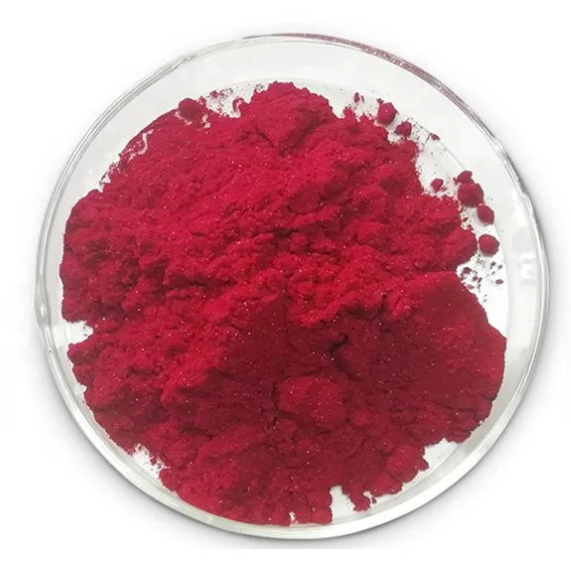
Chromium Picolinate CAS:14639-25-9
Chromium picolinate feed grade is a form of chromium that is commonly used as a nutritional supplement in animal feed. It is known for its ability to enhance the metabolism of glucose and improve insulin sensitivity. By doing so, it can help regulate blood sugar levels and support optimal energy metabolism in animals.
Chromium picolinate feed grade is often included in feed formulations for livestock and poultry, as well as in pet foods. It is particularly beneficial for animals with conditions such as insulin resistance or diabetes, as it can help improve glucose utilization and reduce the risk of metabolic disorders.
Additionally, chromium picolinate feed grade has been associated with improved growth performance and feed efficiency in animals. It can also enhance the immune system and promote overall health and well-being.
-
α-Galactosidase CAS:9025-35-8
α-galactosidase is a glycoside hydrolase that catalyzes the hydrolysis of α-galactosidase bonds. Oligosaccharides such as raffinose, stachyose and verbasose can also hydrolyze polysaccharides containing α-galactosidase bonds, such as galactomannan, locust bean gum, guar gum, etc.
-
Monocalcium Phosphate (MCP) CAS:10031-30-8
Monocalcium Phosphate (MCP) feed grade is a powdered mineral supplement commonly used in animal nutrition. It is a rich source of highly bioavailable calcium and phosphorus, two essential minerals for the growth, development, and overall health of animals. MCP is easily digestible by animals and helps in maintaining the correct calcium to phosphorus ratio in their diets. By ensuring optimal nutrient balance, MCP supports skeletal strength, teeth formation, nerve function, muscle development, and reproductive performance. It is widely used in various animal feed formulations to promote healthy growth and improve feed efficiency.
-
Acid Protease CAS:9025-49-4
Protease is a kind of hydrolase that breaks peptide bonds. It has a wide range of uses and is one of the main industrial enzyme preparations. It acts on protein and decomposes it into peptones, peptides and free amino acids, and is mainly used in food, feed, leather, medicine and brewer Chemicalbook industry.
-
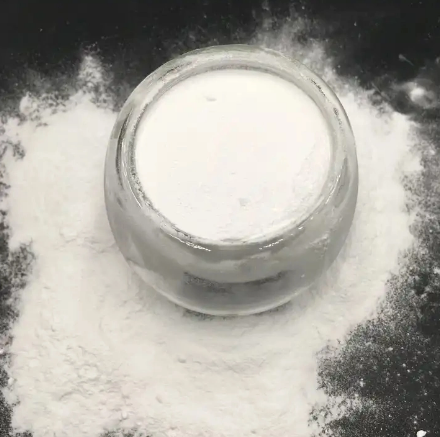
Zinc Sulphate Monohydrate CAS:7446-19-7
Zinc Sulphate Monohydrate feed grade is a high-quality mineral supplement specifically formulated for animal feed. It is a white crystalline powder that contains a combination of zinc and sulphate ions. Adding Zinc Sulphate Monohydrate to animal feed can provide numerous benefits, including supporting growth and development, enhancing immune function, improving skin and coat health, and promoting reproductive health in animals.
-
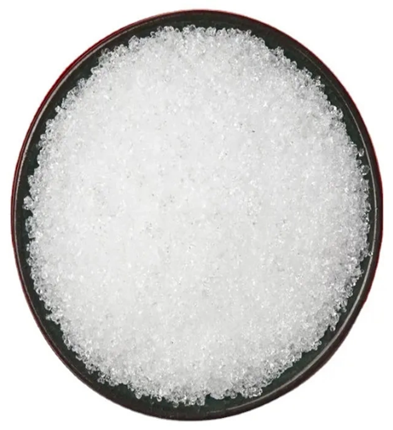
Tripe Super Phosphate (TSP) CAS:65996-95-4
Tripe Super Phosphate (TSP) feed grade is a phosphorus fertilizer that is commonly used in animal agriculture to supplement the diets of livestock and poultry. It is a granular phosphate fertilizer mainly composed of dicalcium phosphate and monocalcium phosphate, providing a high concentration of phosphorus for animals.TSP feed grade is primarily used to address phosphorus deficiencies in animal diets. Phosphorus is an essential mineral for animals as it plays a vital role in various physiological processes including bone formation, energy metabolism, and reproduction. It is particularly important in young animals for proper growth and development.By adding TSP to animal feed, farmers and feed manufacturers can ensure that animals receive an adequate and balanced supply of phosphorus. This helps prevent phosphorus deficiencies, which can lead to reduced growth rates, weakened bones, decreased reproductive performance, and other health issues.The specific dosage and incorporation of TSP into animal feed should be determined based on the nutritional requirements of the animal species, age, weight, and other factors. Consulting with a qualified nutritionist or veterinarian is recommended to ensure the proper use of TSP in animal diets.
-
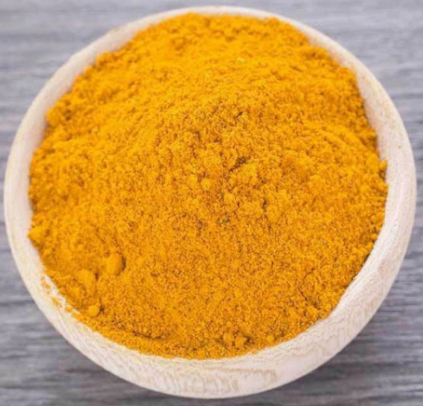
Vitamin B2 CAS:83-88-5 Manufacturer Price
Vitamin B2, also known as riboflavin, is an essential nutrient for animals. It plays a crucial role in metabolism and energy production, as well as maintaining healthy skin, hair, and eyes. In feed grade form, vitamin B2 is specially formulated to meet the specific nutritional needs of animals to support growth, reproduction, and overall health. It is often added to animal feed to ensure adequate levels of this important vitamin in their diet. Vitamin B2 feed grade is available in various forms such as powders, granules, or liquids, making it easy to incorporate into animal feed formulations.
-
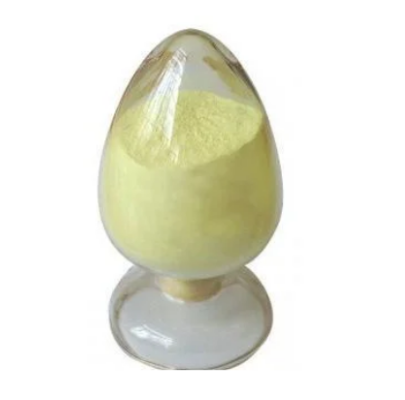
Vitamin A Palmitate CAS:79-81-2
Vitamin A Palmitate feed grade is a form of vitamin A that is used in animal feed to provide animals with essential vitamin A supplementation. It is commonly used in livestock production, including poultry, swine, cattle, and aquaculture, as well as in pet food production. Vitamin A Palmitate is important for promoting growth and development, supporting vision and eye health, enhancing reproductive performance, boosting the immune system, and maintaining healthy skin and coat in animals. Its dosage and application may vary depending on the specific needs of the animal species and diet. Consulting with a veterinarian or animal nutritionist is advised to determine the appropriate supplementation levels for optimal animal health.
-
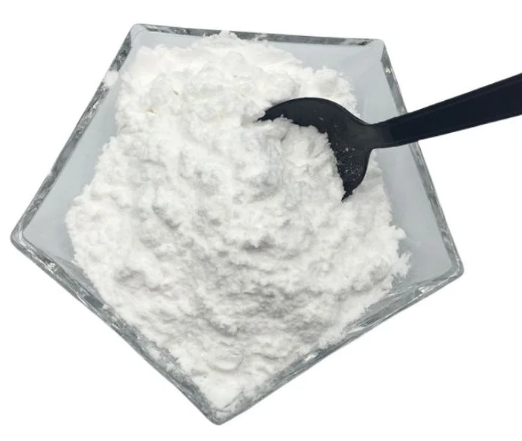
Vitamin B3 (Niacin) CAS:98-92-0
Vitamin B3, or niacin, in feed grade refers to a form of the vitamin that is specifically formulated for animal feed. It is a water-soluble vitamin belonging to the B-complex group and plays a crucial role in the metabolic processes of animals. Vitamin B3 is essential for energy production, proper functioning of the nervous system, maintenance of skin health, and promotion of digestive health in animals. In feed grade, niacin is commonly added to animal diets to ensure optimal growth, development, and overall well-being.
-
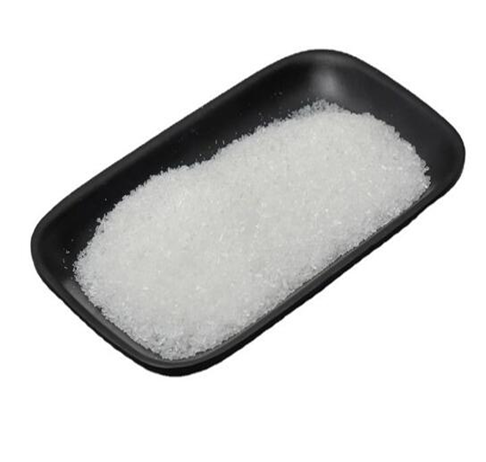
Diammonium Phosphate (DAP) CAS:7783-28-0
Diammonium Phosphate (DAP) feed grade is a commonly used phosphorus and nitrogen fertilizer that can also be used as a nutritional supplement in animal feed. It is composed of ammonium and phosphate ions, providing both essential nutrients for animal growth and development.
DAP feed grade typically contains a high concentration of phosphorus (around 46%) and nitrogen (around 18%), making it a valuable source of these nutrients in animal nutrition. Phosphorus is vital for various physiological functions, including bone formation, energy metabolism, and reproduction. Nitrogen plays a crucial role in protein synthesis and overall growth.
When incorporated into animal feed, DAP feed grade can help meet the phosphorus and nitrogen requirements of livestock and poultry, promoting healthy growth, reproduction, and overall productivity.
It is important to consider the specific nutritional needs of the animals and work with a qualified nutritionist or veterinarian to determine the appropriate inclusion rate of DAP feed grade in the feed formulation.
-
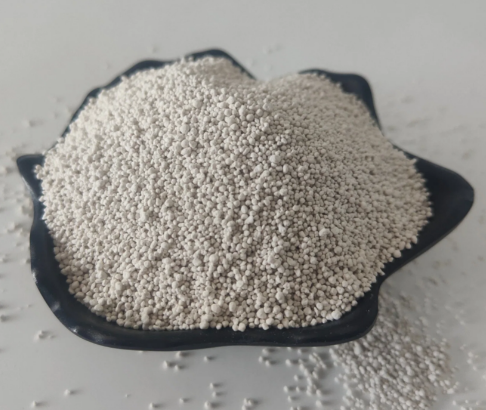
Monodicalcium Phosphate (MDCP) CAS:7758-23-8
Monodicalcium Phosphate (MDCP) feed grade is a nutritional supplement commonly used in animal feed. It is a calcium and phosphorus source that supports proper bone development, muscle function, and overall growth in animals. MDCP is easily absorbed and utilized by animals, optimizing nutrient utilization and promoting better growth and performance. It can be used in various forms, such as powder or granules, and is typically included in animal feeds as premixes, concentrates, or complete feeds. Dosage instructions and consultation with a qualified nutritionist or veterinarian are recommended for proper use.
-
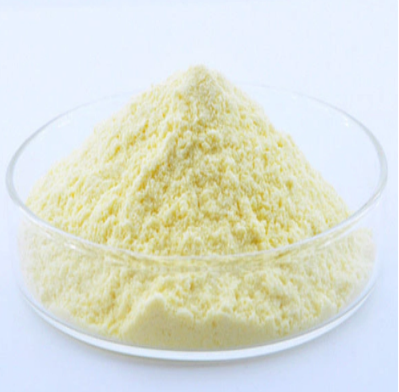
Phytase CAS:37288-11-2 Manufacturer Price
Phytase is the third generation of phytase, which is a single enzyme preparation using advanced liquid submerged fermentation technology and processed by unique aftertreatment technology. It can hydrolyze phytic acid to release inorganic phosphorus, improve the utilization rate of phosphorus in feed, and reduce the use of inorganic phosphorus sources, and promote the release and absorption of other nutrients, reducing the cost of feed formulation; At the same time, it can also reduce the emission of phosphorus in animal feces and protect the environment. It is a green and environmentally friendly feed additive.