-

EDTA-Ca 10% CAS:23411-34-9 Manufacturer Supplier
EDTA-Ca 10% is a metal-chelating agent, typically used for the treatment of symptomatic and severe lead poisoning. It also finds application in the prevention of calcium depletion in the body. It can be used as a flavoring and color retention agent in food products.
-

Ammonium Sulfate CAS:7783-20-2 Manufacturer Supplier
Ammonium sulfate (AS) is the earliest production and use of nitrogen fertilizer. It is usually used as a standard nitrogen fertilizer, nitrogen content is between 20% to 30%. It is a very important fertilizer for any kind of soil that’s high in pH and needs a little bit of sulfates to work against the high calcium or the high pH. The nice thing about the ammonium sulfate is that the nitrogen in it is a little bit slower releasing so it lasts throughout the growing season better than the nitrate forms of nitrogen.
-

Magnesium Sulfate CAS:7487-88-9 Manufacturer Supplier
Magnesium sulfate is an anhydrous magnesium salt.Magnesium sulfate (MgS04) is a colorless crystal with a bitter, saline taste. It is soluble in glycerol and used in fireproofing, textile processes, ceramics, cosmetics, and fertilizers.In gardening and other agriculture, magnesium sulfate is used to correct a magnesium or sulfur deficiency in soil.
-
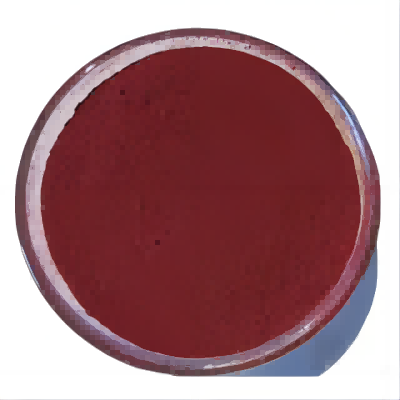
Sodium 2-nitrophenoxide CAS:824-39-5 Manufacturer Supplier
Sodium 2-nitrophenoxide is a chemical substance with the molecular formula C6H4NNaO3. Appearance is red needle crystal. Has a special aromatic odor, melting point 44.9 ºC, easily soluble in water. For plant growth regulators and animal growth regulators, as well as dyes, drugs, etc.
-

IAA CAS:6505-45-9 Manufacturer Supplier
IAA is naturally occurring plant hormone, controlling many physiological processes. Exegenous application of IAA results in overall root surface area, stimulating primary and seconday roots. IAA is not only limited to stimulate rooting but plays a key role in shoot development, cell enlargement and division, tissue differentiation, and responses to light and gravity.
-
1-methylcyclopropene CAS:3100-04-7 Manufacturer Supplier
1-Methylcyclopropene (1-MCP) is a derivative of cyclopropene, a small cyclic olefin with active chemical properties. 1-MCP is a synthetic plant growth regulator and is now widely used in commercial applications.It has a role as a plant growth regulator and an agrochemical. It is a member of cyclopropenes and a cycloalkene.
-
Tricalcium Phospahte CAS:7758-87-4 Manufacturer Supplier
Tricalcium Phospahte is the calcium salt of phosphoric acid with widely used applications. It occur abundantly in nature in several forms and are the principal minerals for the production of phosphate fertilizers and for a range of phosphorus compounds. For example, the tribasic variety (precipitated calcium phosphate), Ca3(PO4)2, is the principal inorganic constituent of bone ash. The acid salt Ca(H2PO4)2, produced by treating mineral phosphates with sulfuric acid, is employed as a plant food and stabilizer for plastics. It is a natural constituent of mammals, and it is a component of bone replacement transplants in much higher amounts with no toxicological problems.
-
Diammonium Phosphate CAS:7783-28-0 Manufacturer Supplier
Ammonium phosphates include mono- and diammonium orthophosphates and ammonium polyphosphates. As discussed below, these are made directly by reaction anhydrous ammonia with orthophosphoric acid or superphosphoric acid. Both are dry crystalline materials with good handling properties.
-
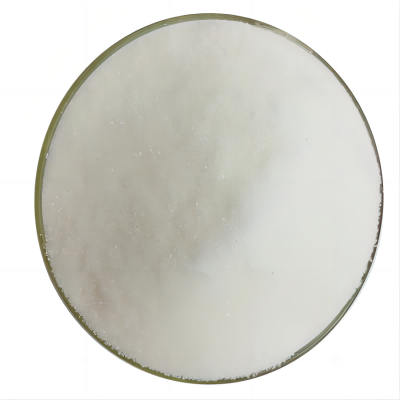
3-Indolepropionic Acid CAS:830-96-6
3-Indolepropionic acid is an effective inhibitor of aggregation of misfolded β-amyloid protein (Abeta). Three-component one-pot procedure has been reported to assemble 3-indolepropionic acids.Indole-3-propionic acid is a bacterial metabolite that has antioxidant and neuroprotective activities.
-
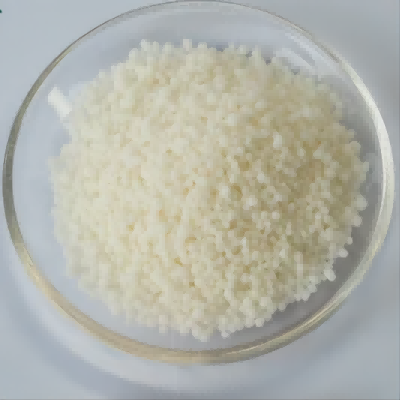
Ammonium Nitrate CAS:6484-52-2 Manufacturer Supplier
Ammonium nitrate, is a colorless rhombic or monoclinic crystal at room temperature. It is one of the major nitrogen fertilizer varieties in the world today, accounting for about 3.5% of the total amount of nitrogen fertilizer in our country. The nitrogen form is nitrate, which belongs to the nitrate nitrogen fertilizer. In fact, ammonium nitrate both nitrate and ammonium nitrogen, but its nature is more similar to the nitrate nitrogen fertilizer.
-
Zinc Sulfate CAS:7446-19-7 Manufacturer Supplier
Zinc sulfate, also known as alum or zinc alum, is a colorless or white rhombic crystal or powder at room temperature. It has astringency and is easily soluble in water. The aqueous solution is acidic and slightly soluble in ethanol and glycerol.
-
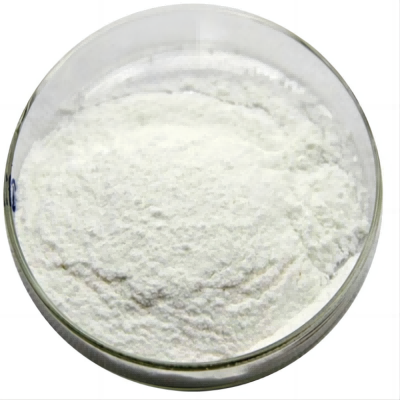
Potassium Nitrate CAS:7757-79-1 Manufacturer Supplier
Potassium nitrate is the nitrate of potassium. It is a crystalline salt and a strong oxidizer which can be specially used in making gunpowder, as a fertilizer, and in medicine. It can be manufactured through the reaction between ammonium nitrate and potassium hydroxide, and alternatively through the reaction between ammonium nitrate with potassium chloride. Potassium nitrate has various applications. Its major applications include: fertilizer, tree stump removal, rocket propellant and fireworks. It can also be used for the nitric acid production. It is also useful for food preservation and food preparation.

