-

DI-MU-METHOXOBIS(1,5-CYCLOOCTADIENE)DIIRIDIUM(I) CAS:12148-71-9
DI-MU-METHOXOBIS(1,5-CYCLOOCTADIENE)DIIRIDIUM(I), or Ir2(COMe)2(COD)2, is a chemical compound with the formula [Ir2(COMe)2(COD)2]. It is a yellow crystalline solid and is commonly used in various chemical synthesis and research applications due to its unique properties.
-
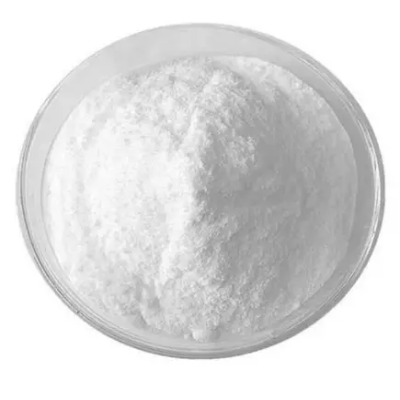
bromotris(triphenylphosphine)rhodium(I) CAS:14973-89-8
Bromotris(triphenylphosphine)rhodium(I), also known as Wilkinson’s catalyst, is a coordination complex containing rhodium with triphenylphosphine and bromide ligands. It is widely used as a catalyst in various organic synthesis reactions, particularly in homogeneous catalysis. The compound’s catalytic properties make it an important tool in the development of new synthetic methodologies and the production of valuable chemical products.
-
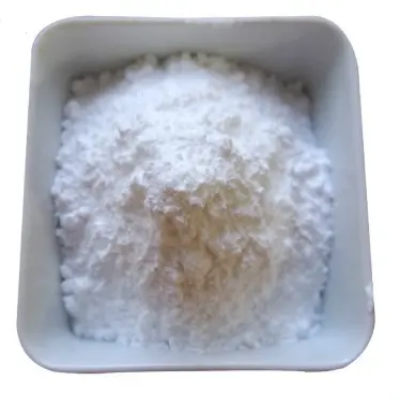
Acetylacetonatocarbonyltriphenylphosphine rhodium (I) CAS:25470-96-6
Acetylacetonatocarbonyltriphenylphosphine rhodium (I) is a coordination complex with the chemical formula Rh(acac)(CO)(PPh3)2. It is a rhodium(I) complex containing acetylacetonate, carbonyl, and triphenylphosphine ligands. This complex is widely used as a catalyst in various organic synthesis reactions, particularly in the field of homogeneous catalysis. Its unique structure and reactivity make it valuable in promoting a variety of chemical transformations, including hydrogenation, hydrosilylation, and hydroformylation reactions. Additionally, it is employed in the production of fine chemicals, pharmaceuticals, and advanced materials. The complex’s ability to facilitate selective and efficient catalytic processes has made it an important tool in the development of new synthetic methodologies and the production of valuable chemical products. Its applications extend to the synthesis of complex natural products and pharmaceutical intermediates, highlighting its significance in the field of organic chemistry and industrial chemical synthesis.
-
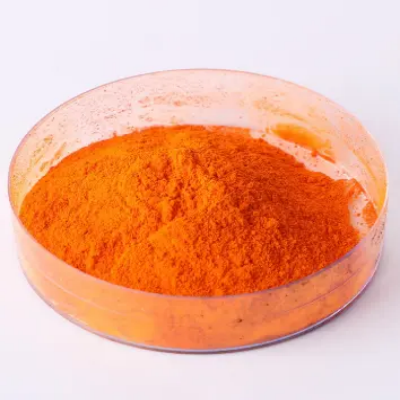
(Pentamethylcyclopentadienyl)iridium(III) chloride dimerCAS:12354-84-6
(Pentamethylcyclopentadienyl)iridium(III) Chloride Dimer is an organometallic complex composed of two iridium centers bonded together through a shared ligand. Each Ir center possesses five methyl groups attached to cyclopentadiene rings forming pentamethylcyclopentadienyl moieties. The molecular formula is C24H*38Cl*2Ir*2, with molar mass approximately equal to 758 g/mol. This complex has been widely studied due to its unique properties and functions across various industries.
-

Iridate(3-),hexachloro-, sodium, hydrate (1:3:?), (OC-6-11)- CAS:123334-23-6
Iridate(3-),hexachloro-, sodium, hydrate (1:3:?), (OC-6-11)- is a chemical compound with the formula Na3IrCl6·xH2O. It is a hydrated sodium salt of hexachloroiridate(III) and is commonly found in the form of yellow or orange crystals. The value of “x” in the formula represents the variable number of water molecules associated with the compound. This compound is utilized in various chemical and research applications due to its unique properties.
-

DIRHODIUM (II) TETRAKIS(CAPROLACTAM) CAS:138984-26-6
Dirhodium(II) tetrakis(caprolactam), also known as dirhodium caproxen, is an organo-metal complex consisting of two rhodium atoms bridged by four nitrogen atoms from caprolactam molecules. The structure forms a rectangular shape around both metals.
-
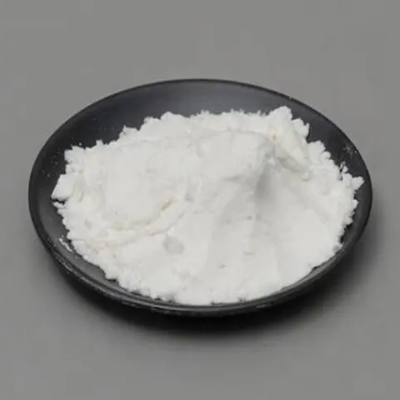
potassium hexachlororhodate(iii) CAS:13845-07-3
Potassium hexachlororhodate(III), also known as potassium rhodium trichloride or KRhCl3 is an inorganic compound with the chemical formula of RhCl3K. It appears to be white crystalline solid at room temperature under normal atmospheric conditions. This substance can react violently upon contact with water producing hydrogen chloride gas which might form acid fumes that are harmful for eyes, skin, respiratory system causing irritation, corrosion or even burn injuries. The use of personal protective equipment such as gloves, goggles etc., should be taken into consideration when handling this compound.
-

dCTP, 2′-Deoxycytidine-5′-triphosphoric acid disodium salt CAS:102783-51-7
2′-Deoxycytidine-5′-triphosphoric acid disodium salt is a nucleotide analog that serves as a precursor in DNA synthesis. It is used in molecular biology research and in studies related to genetics and genetic processes. This compound plays a crucial role in DNA replication and transcription, making it an important tool for understanding genetic mechanisms and developing potential therapeutic interventions.
-
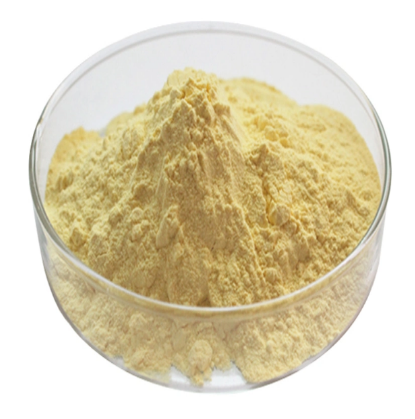
Silver carbonate CAS:534-16-7 Manufacturer Price
Silver carbonate is a chemical compound with the formula Ag2CO3. It is a white solid that is sparingly soluble in water. Silver carbonate has applications in organic synthesis as an oxidizing agent for various reactions. Additionally, it is used in some analytical chemistry procedures. Due to its low solubility, it can also be utilized as a pigment in pottery and ceramics.
-

Doxifluridine CAS:3094-09-5 Manufacturer Price
Doxifluridine, also known as 5-Fluoro-2′-deoxyuridine, is a nucleoside analog with potential antineoplastic activity. It is converted to its active form, 5-fluorouracil (5-FU), in tumor cells, where it inhibits DNA synthesis and induces cell death. Doxifluridine may be used in the treatment of various cancers, including colorectal cancer, when other treatments are not effective.
-
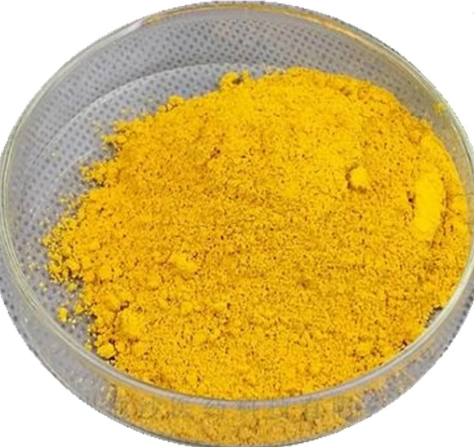
Sodium tetrachloroaurate(III) dihydrate (Goldgehalt: 30%) CAS:13874-02-7
Sodium tetrachloroaurate(III) dihydrate, with a gold content of 30%, is a chemical compound used in a variety of applications. Common uses include as a precursor in the synthesis of other gold compounds, in research and laboratory experiments to study the properties of gold compounds, and in certain industrial processes.
-
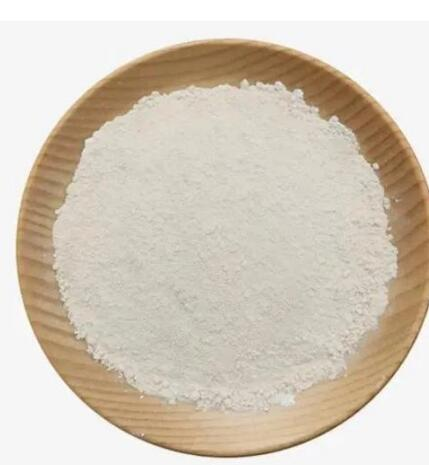
Deoxyribonucleic acids,fish sperm CAS:100403-24-5
Deoxyribonucleic acid (DNA) is a molecule that carries genetic instructions for the development, functioning, growth, and reproduction of all known living organisms. It is composed of two strands that coil around each other to form a double helix structure. DNA is found in the nucleus of cells and is a key component in the inheritance of traits from one generation to the next.Fish sperm, or milt, is the seminal fluid of male fish, which contains sperm cells. It plays a crucial role in the fertilization of fish eggs. Fish sperm is of interest in scientific research due to its unique characteristics and potential applications in various fields, including aquaculture and biotechnology.