-
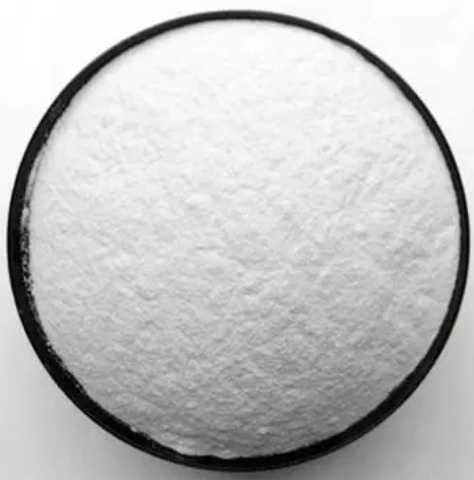
Cytidine CAS:65-46-3 Manufacturer Price
Cytidine is a nucleoside molecule composed of cytosine and ribose. It is one of the building blocks of RNA and plays a fundamental role in the genetic code and gene expression. Additionally, it can be converted into cytidine triphosphate, a molecule that is essential for nucleic acid synthesis and energy transfer in cells. Cytidine also has potential therapeutic applications in cancer treatment and antiviral therapies.
-

Palladium CAS:7440-05-3 Manufacturer Price
Palladium is a rare, lustrous silver-white metal that belongs to the platinum group of elements. It is known for its remarkable catalytic properties, which make it a vital component in a wide range of industrial and technological applications. Palladium is used in catalytic converters to reduce harmful emissions from vehicle exhaust, as well as in the production of electronics, dentistry, jewelry, and chemical catalysts.
-

dCTP, 2′-Deoxycytidine-5′-triphosphoric acid disodium salt CAS:102783-51-7
2′-Deoxycytidine-5′-triphosphoric acid disodium salt is a nucleotide analog that serves as a precursor in DNA synthesis. It is used in molecular biology research and in studies related to genetics and genetic processes. This compound plays a crucial role in DNA replication and transcription, making it an important tool for understanding genetic mechanisms and developing potential therapeutic interventions.
-
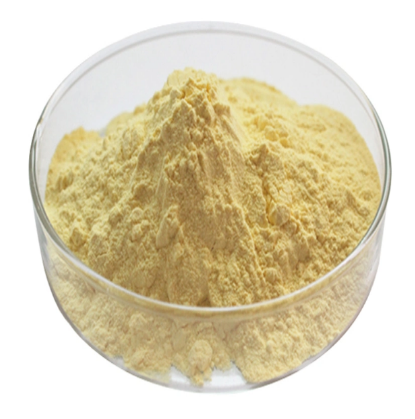
Silver carbonate CAS:534-16-7 Manufacturer Price
Silver carbonate is a chemical compound with the formula Ag2CO3. It is a white solid that is sparingly soluble in water. Silver carbonate has applications in organic synthesis as an oxidizing agent for various reactions. Additionally, it is used in some analytical chemistry procedures. Due to its low solubility, it can also be utilized as a pigment in pottery and ceramics.
-

Doxifluridine CAS:3094-09-5 Manufacturer Price
Doxifluridine, also known as 5-Fluoro-2′-deoxyuridine, is a nucleoside analog with potential antineoplastic activity. It is converted to its active form, 5-fluorouracil (5-FU), in tumor cells, where it inhibits DNA synthesis and induces cell death. Doxifluridine may be used in the treatment of various cancers, including colorectal cancer, when other treatments are not effective.
-
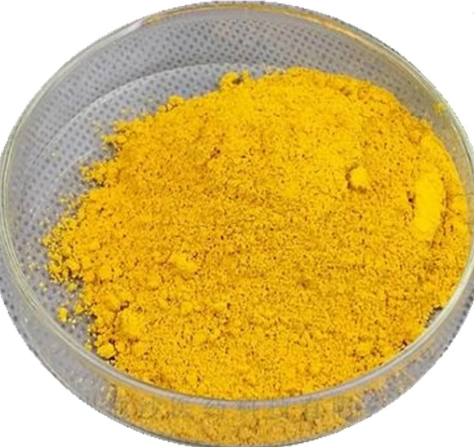
Sodium tetrachloroaurate(III) dihydrate (Goldgehalt: 30%) CAS:13874-02-7
Sodium tetrachloroaurate(III) dihydrate, with a gold content of 30%, is a chemical compound used in a variety of applications. Common uses include as a precursor in the synthesis of other gold compounds, in research and laboratory experiments to study the properties of gold compounds, and in certain industrial processes.
-
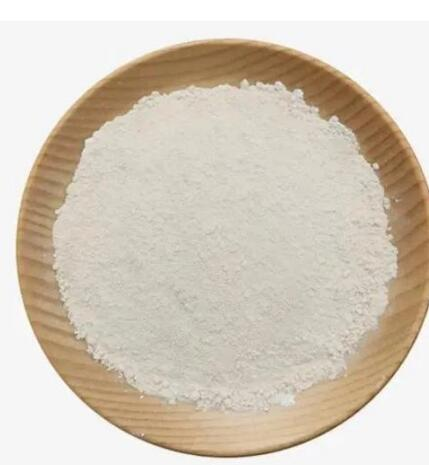
Deoxyribonucleic acids,fish sperm CAS:100403-24-5
Deoxyribonucleic acid (DNA) is a molecule that carries genetic instructions for the development, functioning, growth, and reproduction of all known living organisms. It is composed of two strands that coil around each other to form a double helix structure. DNA is found in the nucleus of cells and is a key component in the inheritance of traits from one generation to the next.Fish sperm, or milt, is the seminal fluid of male fish, which contains sperm cells. It plays a crucial role in the fertilization of fish eggs. Fish sperm is of interest in scientific research due to its unique characteristics and potential applications in various fields, including aquaculture and biotechnology.
-
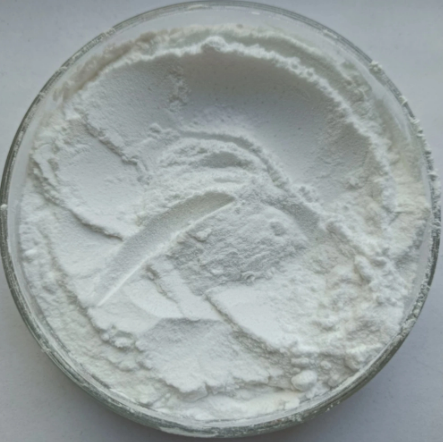
Uridine,2′-deoxy-5-ethynyl- CAS:61135-33-9
5-ethynyl-2′-deoxyuridine (EdU) is a nucleoside analog that is commonly utilized in the field of molecular biology and cell biology research. It is frequently employed to label and detect newly synthesized DNA in live cells through a process known as “click chemistry.” This technique allows for visualization and quantification of DNA replication and cell proliferation. EdU has become a popular alternative to the traditional thymidine analog bromodeoxyuridine (BrdU) due to its compatibility with fluorescence microscopy and the absence of harsh DNA denaturation steps during detection. Additionally, EdU’s chemical structure allows for specific and efficient detection, making it a valuable tool for studying DNA synthesis and cell cycle dynamics.
-
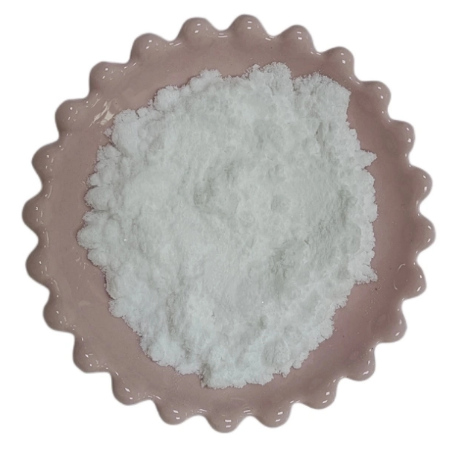
dGTP, 2′-Deoxyguanosine-5′-triphosphate, disodium salt CAS:93919-41-6
2′-Deoxyguanosine-5′-triphosphate (dGTP) is a vital nucleotide used in DNA synthesis. It is involved in providing the guanine base for constructing DNA strands and is an essential component for accurate replication of genetic material. dGTP is widely used in molecular biology research, PCR (polymerase chain reaction), DNA sequencing, and various DNA manipulation techniques. It plays a crucial role in enzymatic assays and in vitro DNA synthesis, contributing to advancements in genetic studies and the development of biotechnological and medical applications.
-
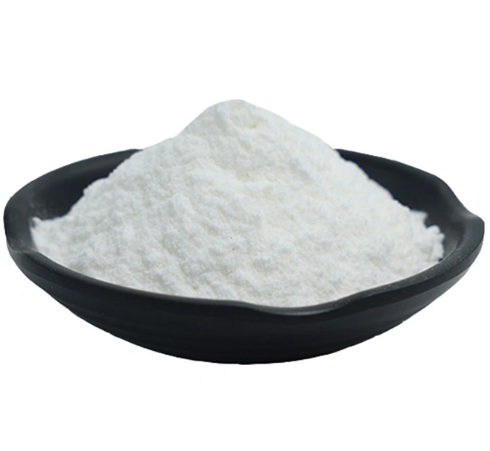
Uridine-5′-triphosphoric acid trisodium salt CAS:19817-92-6
Uridine-5′-triphosphoric acid trisodium salt is a nucleotide derivative. It is involved in various biochemical processes such as the synthesis of RNA, serving as a precursor for nucleic acid synthesis and as an energy source for biochemical reactions. Its role in cellular metabolism makes it an important component in the study of nucleic acid biochemistry and molecular biology. Uridine-5′-triphosphoric acid trisodium salt is also used in research and pharmaceutical applications related to nucleotide analogs and nucleic acid-based therapies.
-

Gold (III) chloride tetrahydrate CAS:16903-35-8
Chloroauric acid, also known as gold(III) chloride, is a chemical compound with the formula HAuCl4. It is the most common compound of gold in the +3 oxidation state. Chloroauric acid is typically encountered as a hydrated form and is a bright yellow-orange solid. It is widely used in the production of gold nanoparticles, as a precursor in the synthesis of other gold compounds, and in various industrial and research applications. Additionally, it has applications in photography, as a reagent in chemical analysis, and in the preparation of gold plating solutions.
-
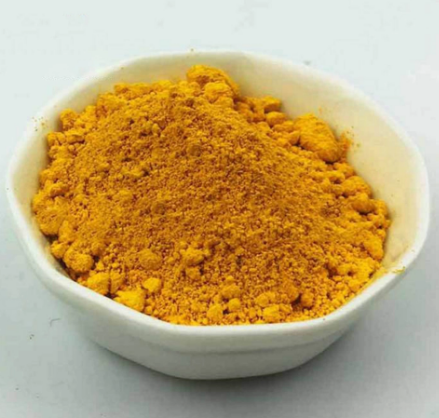
Gold (III) potassium chloride dihydrate CAS:13682-61-6
Gold (III) potassium chloride dihydrate is a chemical compound with the formula AuKCl4·2H2O. It is a coordination complex consisting of gold (III) ions, potassium ions, chloride ions, and water molecules. This compound is often used in chemical synthesis and research applications.