-
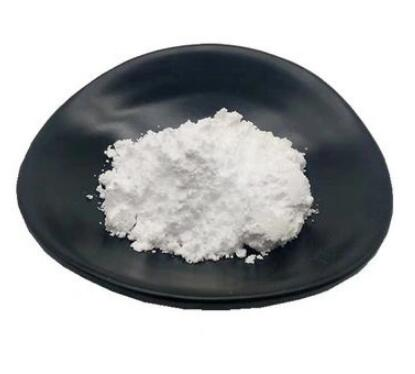
5′-INOSINIC ACID DISODIUM SALT HYDRATE CAS:20813-76-7
5′-Inosinic acid disodium salt hydrate is a chemical compound commonly used as a flavor enhancer in food products. It is known for its umami or savory taste and is often used in combination with monosodium glutamate (MSG) to enhance the overall flavor of many foods. Additionally, 5′-Inosinic acid disodium salt hydrate plays a role in the production of nucleotides and has applications in the food industry for enhancing taste and improving food quality.
-

Adenosine-5′-diphosphate, disodium salt CAS:16178-48-6
Adenosine-5′-diphosphate disodium salt is a chemical compound used in biochemical research and as a reagent in various laboratory applications. It is a nucleotide derivative involved in cellular metabolism and the transfer of energy within cells. In research settings, it is often used to study enzyme activities, signal transduction pathways, and nucleotide metabolism. As a disodium salt, it is more water-soluble compared to the free acid form, allowing for easier handling and preparation of solutions.
-
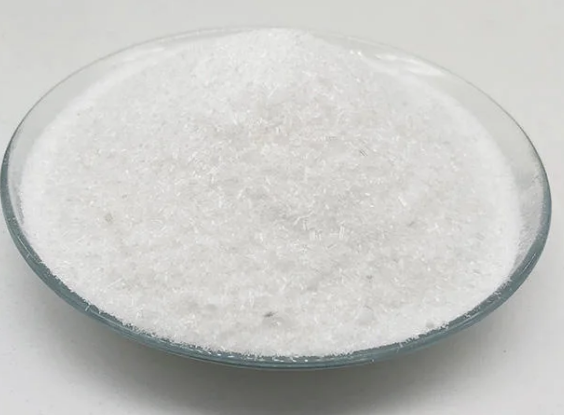
dAMP, 2′-Deoxyadenosine-5′-monophosphate, free acid CAS:653-63-4
2′-Deoxyadenosine 5′-phosphate is a nucleotide, which serves as a critical building block for DNA synthesis. It plays a fundamental role in the genetic code and is involved in the replication and transmission of genetic information in living organisms. This molecule is essential for cellular function and is a key component in the process of DNA replication and repair. Additionally, it is a precursor for the synthesis of deoxyribonucleic acid (DNA) and is involved in various biochemical pathways related to genetic material.
-

Sodium 4-amino-1-((2R,3R,4S,5R)-3,4-dihydroxy-5-(hydroxymethyl)tetrahydrofuran-2-yl)-2-oxo-1,2-dihydropyrimidin-5-yl hydrogendiphosphate CAS:54394-90-0
Sodium 4-amino-1-((2R,3R,4S,5R)-3,4-dihydroxy-5-(hydroxymethyl)tetrahydrofuran-2-yl)-2-oxo-1,2-dihydropyrimidin-5-yl hydrogendiphosphate, is commonly known as adenosine diphosphate (ADP). It is a crucial molecule involved in various cellular processes, including energy transfer, enzyme co-factor activity, and signal transduction. ADP is integral to cellular respiration and ATP synthesis. It has wide-ranging applications in biological research, diagnostics, pharmaceutical development, and biochemical studies due to its importance in cellular biochemistry, energy metabolism, and drug development. Additionally, ADP is a significant target for drug development, particularly in the context of cardiovascular diseases and thrombosis, as ADP receptor antagonists are used as antiplatelet drugs.
-
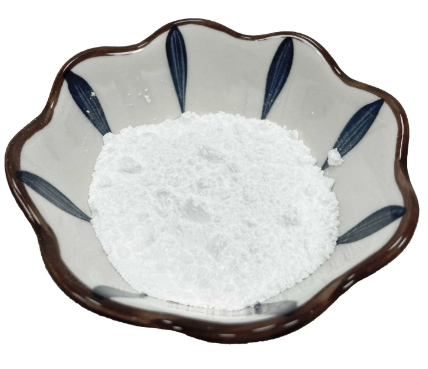
5-Iodo-2′-deoxycytidine CAS:54-42-2 Manufacturer Price
5-Iodo-2′-deoxycytidine is a modified form of the nucleoside deoxycytidine. It contains an iodine atom substituted at the 5th position of the pyrimidine ring. This compound has shown potential utility in cancer research and treatment due to its ability to induce DNA damage and affect cell proliferation. It is often used as a research tool in studies related to nucleoside analogs and their effects on cellular pathways. Additionally, its potential role as a radiosensitizer in cancer therapy is also under investigation.
-
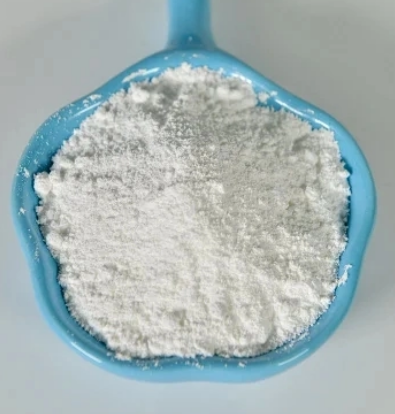
AGOTF CAS:2923-28-6 Manufacturer Price
Silver trifluoromethanesulfonate, also known as silver triflate, is a silver salt of trifluoromethanesulfonic acid. It is a versatile reagent and catalyst in organic synthesis, commonly used in various chemical transformations such as carbon-carbon bond formation, nucleophilic substitution, and rearrangement reactions. Silver trifluoromethanesulfonate is valued for its ability to activate substrates, as well as its compatibility with a wide range of functional groups.
-
dCMP, 2′-Deoxycytidine 5′-monophosphate, free acid CAS:1032-65-1
2′-Deoxycytidine-5′-monophosphoric acid, also known as dCMP, is a nucleotide monophosphate that plays a crucial role in DNA synthesis and repair. It is a fundamental building block for the construction of DNA molecules and is essential for the transfer of genetic information. dCMP is involved in diverse cellular processes including replication, transcription, and DNA repair. Its structural and functional significance make it a key component in the study of genetics, molecular biology, and pharmaceutical research.
-
Uridine 5[-monophosphate, disodium salt CAS:3387-36-8
Uridine 5′-monophosphate, disodium salt is a salt form of uridine monophosphate, a nucleotide that plays a crucial role in various biochemical processes, including the synthesis of RNA and the modulation of cellular signaling pathways. It is often used in research and laboratory settings as a precursor for the biosynthesis of other nucleotides and as a component in cell culture media. Furthermore, uridine 5′-monophosphate, disodium salt may have potential therapeutic applications in conditions related to nucleotide deficiencies or dysregulation.
-

5-Methyluridine CAS:1463-10-1 Manufacturer Price
5-Methyluridine is a modified nucleoside that contains the base uracil and a methyl group. It is involved in RNA metabolism and plays a role in the biosynthesis of coenzyme Q10. Research also suggests its potential therapeutic applications in cancer treatment and as a biochemical marker for some metabolic disorders.
-

Ammonium tetrachloroaurate (III) hydrate CAS:13874-04-9
Ammonium tetrachloroaurate, also known as gold ammonium chloride, is a compound used in various applications in chemistry and materials science. It is commonly utilized as a precursor for the synthesis of gold nanoparticles, which have applications in fields such as nanotechnology, biomedical research, and catalysis. Additionally, it is employed in the preparation of solutions for gold plating, a process used to coat objects with a thin layer of gold for decorative or functional purposes. Ammonium tetrachloroaurate also finds use in chemical analysis, particularly in the detection and quantification of certain compounds.
-
dGMP, 2′-Deoxyguanosine-5′-monophosphate disodium salt CAS:33430-61-4
2′-Deoxyguanosine-5′-monophosphate disodium salt is a chemical compound that is often used in biochemical research and molecular biology. It is a salt form of the monophosphate derivative of the nucleoside 2′-deoxyguanosine, which is an essential component of DNA. This compound is utilized in various laboratory procedures such as DNA sequencing, enzyme studies, and as a substrate in enzymatic reactions.
-

2-|cis|,4-|trans|-Abscisic acid CAS:14375-45-2
Abscisic acid (ABA) is a plant hormone that plays key roles in several physiological processes, including seed dormancy, germination, and response to environmental stressors such as drought and high salinity. It helps regulate plant growth and development by controlling stomatal closure, seed development, and responses to environmental changes. ABA is also involved in signaling pathways that influence plant responses to abiotic stresses and is an essential component in plant stress tolerance mechanisms.

