-
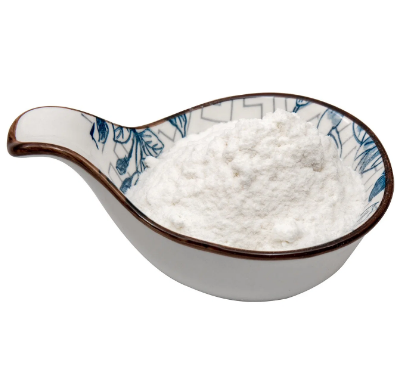
Cytidine-5′-triphosphate (CTP), disodium salt CAS:652154-13-7
Cytidine-5′-triphosphate (CTP), disodium salt is a nucleoside triphosphate that serves as a building block for RNA synthesis. It plays a crucial role in cellular metabolism and is essential for the transfer of genetic information from DNA to RNA during transcription. CTP is widely used in molecular biology research, particularly in studies related to RNA synthesis, RNA interference, and other RNA-related processes. Additionally, it is utilized in enzymatic reactions, nucleotide metabolism studies, and as a substrate for various biochemical assays. In the pharmaceutical industry, CTP may also have potential applications in the development of antiviral and anticancer drugs.
-
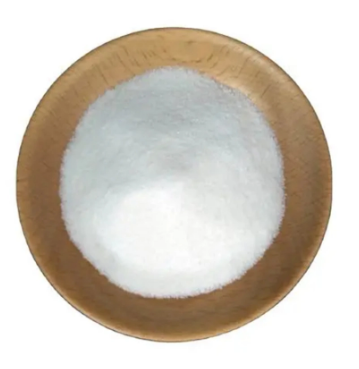
ITP, inosine 5′-triphosphate trisodium salt CAS:35908-31-7
Inosine-5′-triphosphate trisodium salt, commonly abbreviated as ITP-Na3, is a triphosphate form of inosine, a nucleoside that plays a vital role in various biological processes. This compound is a salt form, making it water-soluble and suitable for use in biochemical and enzymatic assays, as well as in molecular biology research. Inosine-5′-triphosphate trisodium salt is utilized for studying enzymatic reactions, nucleotide interconversion, and as a substrate for certain enzymes. Its applications also extend to nucleotide analog studies and as a component in the preparation of nucleotide mixtures used in molecular biology techniques.
-
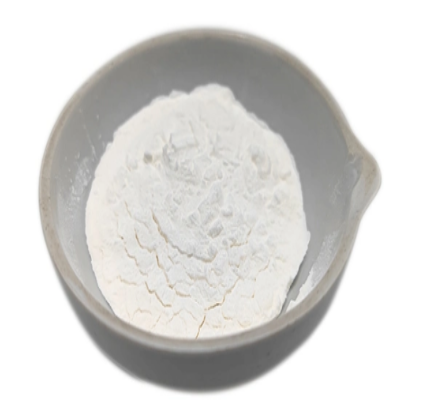
5-Bromouracil CAS:51-20-7 Manufacturer Price
5-Bromouracil is a synthetic analog of uracil, which is a component of RNA. 5-Bromouracil can be incorporated into nucleic acids and can induce mutations by mispairing with guanine during DNA replication. It is used as a mutagen in genetic research to study mutation rates and mechanisms.
-
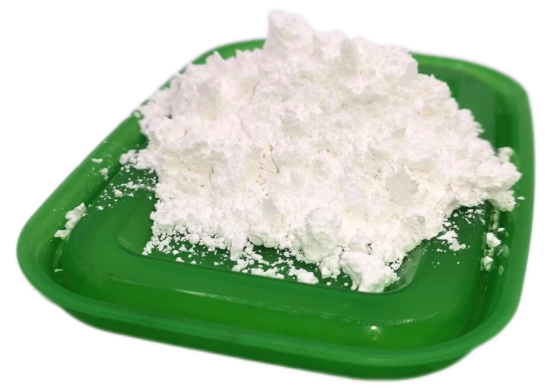
5-Fluoro-2′-deoxyuridine CAS:50-91-9
5-Fluoro-2′-deoxyuridine is a synthetic nucleoside analog that inhibits DNA synthesis. It has been studied for its potential antiviral and antitumor properties. Additionally, it is used as a research tool in molecular biology and biochemistry.
-

Cytidine-5′-triphosphate disodium salt CAS:36051-68-0
Cytidine-5′-triphosphate disodium salt (CTP-Na2) is a nucleoside triphosphate that serves as a building block in the synthesis of RNA. It plays a critical role in cellular metabolism, serving as a substrate for RNA polymerases in transcription and as an energy source for various enzymatic reactions. CTP-Na2 is often used in biochemical and molecular biology research as a component in reactions involving RNA synthesis, modification, and regulation. Its disodium salt form increases its solubility in aqueous solutions, making it more convenient for laboratory use.
-
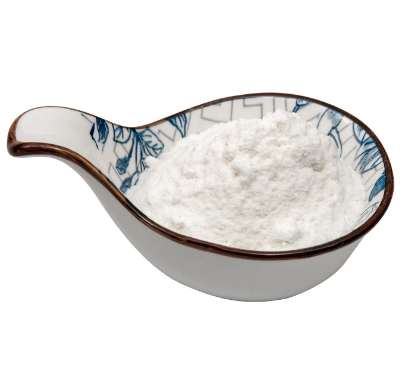
Ribonucleic acid from Baker’s Yeast CAS:63231-63-0
Ribonucleic acid (RNA) from Baker’s yeast, also known as Saccharomyces cerevisiae, refers to the RNA molecules present in this common single-celled fungus. It serves various essential functions in the cell, including protein synthesis, enzymatic activity, and gene regulation. RNA from Baker’s yeast is of interest to scientists and researchers studying molecular biology, genetics, and cellular processes. It is utilized in a wide range of experiments and studies to gain insights into gene expression, RNA processing, and the molecular mechanisms underlying cellular functions.
-
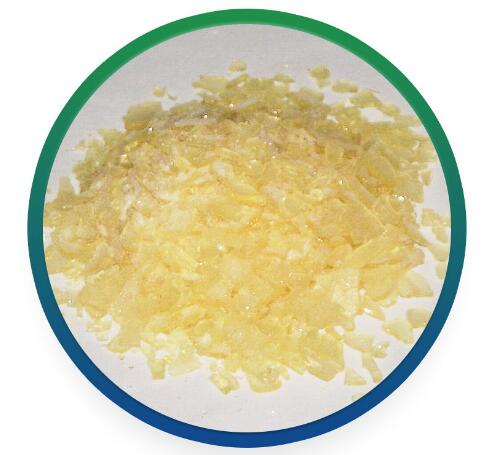
6-Chloropurine CAS:87-42-3 Manufacturer Price
6-Chloropurine is a chemical compound belonging to the purine family. It is a derivative of purine, which is an important building block of DNA and RNA. 6-Chloropurine is used in organic synthesis and pharmaceutical research as a precursor for the preparation of various purine derivatives and pharmaceutical compounds.
-
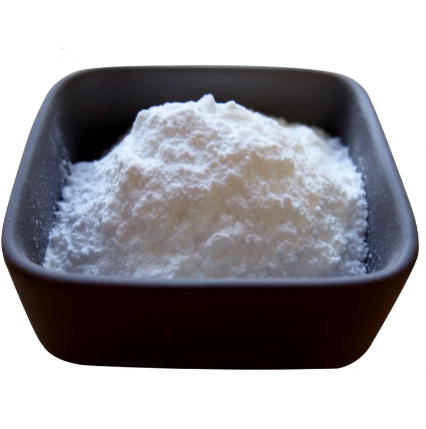
Adenosine 5′-monophosphate disodium salt CAS:4578-31-8
Adenosine 5′-monophosphate disodium salt, also known as 5′-AMP, is a nucleotide consisting of adenine, ribose, and a phosphate group. It serves as a precursor to adenosine triphosphate (ATP), which is a crucial molecule involved in cellular energy transfer. In research and biochemical applications, 5′-AMP is utilized as a substrate in enzymatic reactions, particularly in studies of nucleotide metabolism, signaling pathways, and as a component in various assays. Its disodium salt form enhances its solubility and stability, making it suitable for experimental use.
-
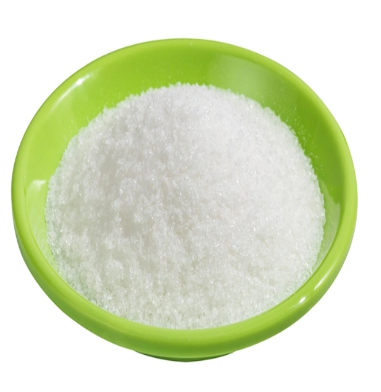
Cytosine CAS:71-30-7 Manufacturer Price
Cytosine is one of the four main nitrogenous bases found in DNA and RNA. It pairs with guanine through three hydrogen bonds in DNA. Its chemical structure includes a pyrimidine ring and an amine group. In DNA, cytosine can undergo deamination to form uracil, which can lead to mutations if not repaired. Cytosine plays a crucial role in genetic coding and the transfer of genetic information.
-
Sodium 1-((2R,3R,4S,5R)-3,4-dihydroxy-5-(hydroxymethyl)tetrahydrofuran-2-yl)-2,4-dioxo-1,2,3,4-tetrahydropyrimidin-5-yl hydrogendiphosphate CAS:27821-45-0
The chemical compound described as “Sodium 1-((2R,3R,4S,5R)-3,4-dihydroxy-5-(hydroxymethyl)tetrahydrofuran-2-yl)-2,4-dioxo-1,2,3,4-tetrahydropyrimidin-5-yl hydrogendiphosphate” is a complex molecule commonly known as UDP, which stands for uridine diphosphate. It plays a critical role in cellular metabolism and the biosynthesis of nucleic acids and glycolipids. UDP is involved in a variety of biochemical processes, including energy transfer, carbohydrate metabolism, and the synthesis of glycogen and glycoproteins. Additionally, it serves as a substrate for the enzymatic addition of sugars in the formation of glycoproteins and glycolipids.
-
5′-INOSINIC ACID DISODIUM SALT HYDRATE CAS:20813-76-7
5′-Inosinic acid disodium salt hydrate is a chemical compound commonly used as a flavor enhancer in food products. It is known for its umami or savory taste and is often used in combination with monosodium glutamate (MSG) to enhance the overall flavor of many foods. Additionally, 5′-Inosinic acid disodium salt hydrate plays a role in the production of nucleotides and has applications in the food industry for enhancing taste and improving food quality.
-

Adenosine-5′-diphosphate, disodium salt CAS:16178-48-6
Adenosine-5′-diphosphate disodium salt is a chemical compound used in biochemical research and as a reagent in various laboratory applications. It is a nucleotide derivative involved in cellular metabolism and the transfer of energy within cells. In research settings, it is often used to study enzyme activities, signal transduction pathways, and nucleotide metabolism. As a disodium salt, it is more water-soluble compared to the free acid form, allowing for easier handling and preparation of solutions.

