-
2′-O-Methyluridine CAS:2140-76-3 Manufacturer Price
2′-O-Methyluridine is a modified nucleoside that contains a methyl group at the 2′ position of the ribose ring. It is an important building block in the synthesis of modified RNA molecules and has been studied for its potential biological and pharmacological properties. Some of its reported applications include its use in RNA research, as a component in the production of modified RNA for therapeutic and functional genomics applications, and as a tool in the study of RNA structure and function.
-
4-Amino-1-((2R,4S,5R)-4-hydroxy-5-(hydroxymethyl)tetrahydrofuran-2-yl)pyrimidin-2(1H)-one CAS:951-77-9
2′-Deoxycytidine is a nucleoside that is composed of the nucleobase cytosine linked to the sugar deoxyribose. It is a key component of DNA and plays a crucial role in genetic information storage and transmission within living organisms.
-
Cytidine-5′-monophosphate (CMP), free acid CAS:63-37-6
Cytidine 5’-monophosphate (CMP) is a nucleotide that serves as a building block for RNA synthesis and modification. It is an essential component in the construction of RNA molecules and is involved in processes such as mRNA capping and nucleotide metabolism. CMP is also used in biochemical and molecular biology research for applications such as in vitro transcription and nucleic acid labeling. Its role in RNA metabolism and its use in various experimental techniques make it a critical tool in understanding the structure and function of RNA molecules.
-
IBMX, 3-isobutyl-1-methylxanthine CAS:28822-58-4
3-isobutyl-1-methylxanthine, also known as IBMX, is a methylxanthine derivative that is commonly used in scientific research as a non-specific inhibitor of cyclic nucleotide phosphodiesterases. It is known to increase intracellular levels of cyclic AMP (cAMP) and cyclic GMP (cGMP) by inhibiting their breakdown, which can in turn modulate various cellular signaling pathways.
In addition to its research applications, IBMX has been used in some medical settings for its bronchodilator and vasodilator effects. However, its use in human medicine is limited.
-
4-Nitrophenyl phosphate disodium salt hexahydrate CAS:4264-83-9
4-Nitrophenyl phosphate disodium salt hexahydrate is a chemical compound often used in biochemical and pharmaceutical research. It is a salt form of 4-nitrophenyl phosphate, containing two sodium ions and six water molecules. This compound is commonly employed as a substrate for phosphatase assays and in the study of enzyme kinetics.
-
5′-Deoxy-5-fluorocytidine CAS:66335-38-4
5′-Deoxy-5-fluorocytidine is a synthetic nucleoside analog that is being investigated for its potential antiviral activity, particularly against RNA viruses like hepatitis C virus (HCV) and flaviviruses. It works by interfering with the replication of the viral genetic material, ultimately inhibiting the virus’s ability to multiply and spread within the body.
-
Cytidine-5′-triphosphate (CTP), disodium salt CAS:652154-13-7
Cytidine-5′-triphosphate (CTP), disodium salt is a nucleoside triphosphate that serves as a building block for RNA synthesis. It plays a crucial role in cellular metabolism and is essential for the transfer of genetic information from DNA to RNA during transcription. CTP is widely used in molecular biology research, particularly in studies related to RNA synthesis, RNA interference, and other RNA-related processes. Additionally, it is utilized in enzymatic reactions, nucleotide metabolism studies, and as a substrate for various biochemical assays. In the pharmaceutical industry, CTP may also have potential applications in the development of antiviral and anticancer drugs.
-
ITP, inosine 5′-triphosphate trisodium salt CAS:35908-31-7
Inosine-5′-triphosphate trisodium salt, commonly abbreviated as ITP-Na3, is a triphosphate form of inosine, a nucleoside that plays a vital role in various biological processes. This compound is a salt form, making it water-soluble and suitable for use in biochemical and enzymatic assays, as well as in molecular biology research. Inosine-5′-triphosphate trisodium salt is utilized for studying enzymatic reactions, nucleotide interconversion, and as a substrate for certain enzymes. Its applications also extend to nucleotide analog studies and as a component in the preparation of nucleotide mixtures used in molecular biology techniques.
-
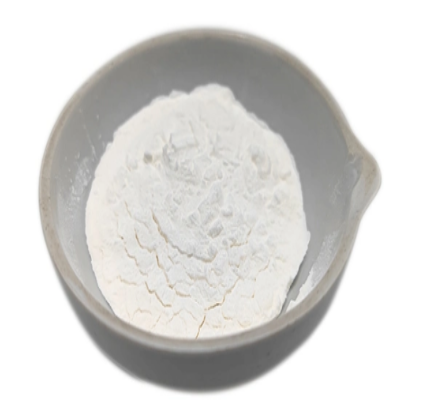
5-Bromouracil CAS:51-20-7 Manufacturer Price
5-Bromouracil is a synthetic analog of uracil, which is a component of RNA. 5-Bromouracil can be incorporated into nucleic acids and can induce mutations by mispairing with guanine during DNA replication. It is used as a mutagen in genetic research to study mutation rates and mechanisms.
-
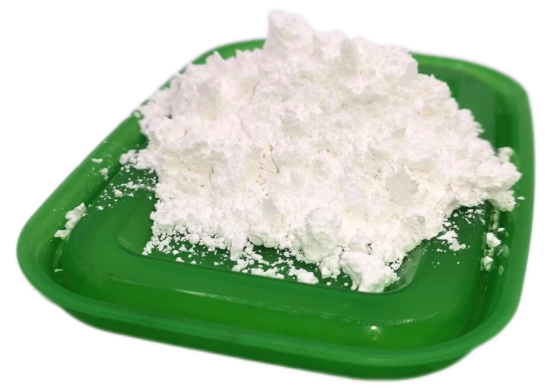
5-Fluoro-2′-deoxyuridine CAS:50-91-9
5-Fluoro-2′-deoxyuridine is a synthetic nucleoside analog that inhibits DNA synthesis. It has been studied for its potential antiviral and antitumor properties. Additionally, it is used as a research tool in molecular biology and biochemistry.
-

Cytidine-5′-triphosphate disodium salt CAS:36051-68-0
Cytidine-5′-triphosphate disodium salt (CTP-Na2) is a nucleoside triphosphate that serves as a building block in the synthesis of RNA. It plays a critical role in cellular metabolism, serving as a substrate for RNA polymerases in transcription and as an energy source for various enzymatic reactions. CTP-Na2 is often used in biochemical and molecular biology research as a component in reactions involving RNA synthesis, modification, and regulation. Its disodium salt form increases its solubility in aqueous solutions, making it more convenient for laboratory use.
-
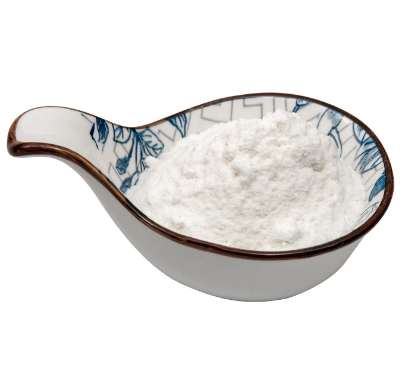
Ribonucleic acid from Baker’s Yeast CAS:63231-63-0
Ribonucleic acid (RNA) from Baker’s yeast, also known as Saccharomyces cerevisiae, refers to the RNA molecules present in this common single-celled fungus. It serves various essential functions in the cell, including protein synthesis, enzymatic activity, and gene regulation. RNA from Baker’s yeast is of interest to scientists and researchers studying molecular biology, genetics, and cellular processes. It is utilized in a wide range of experiments and studies to gain insights into gene expression, RNA processing, and the molecular mechanisms underlying cellular functions.