-
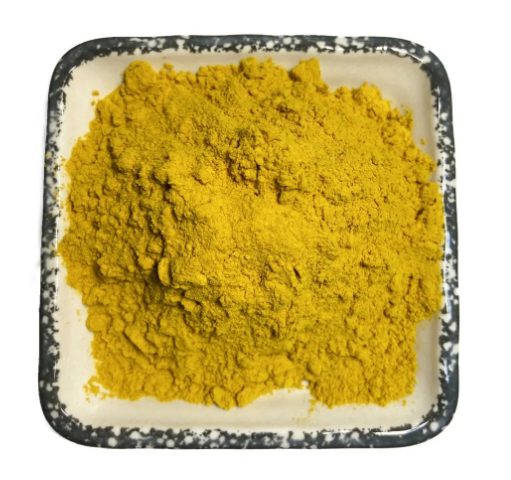
Hoechst 33258 CAS:23491-45-4 Manufacturer Price
Hoechst 33258 is a fluorescent dye commonly used in biological research for staining DNA. It binds specifically to AT-rich regions of DNA and emits blue fluorescence when excited by ultraviolet light. This property makes Hoechst 33258 useful for visualizing and studying DNA in cells and tissues using fluorescence microscopy and flow cytometry.
-
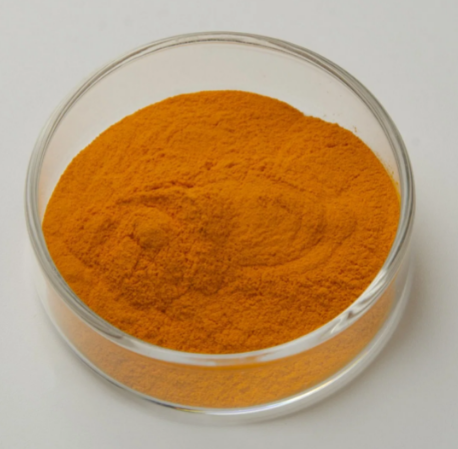
Bromocresol green, free acid CAS:76-60-8 Manufacturer Price
Bromocresol green (BCG) is a pH indicator dye commonly used in microbiology and biochemistry. It changes color from yellow to blue over a pH range of3.8 to 5.4, making it useful for visually determining the acidity or alkalinity of solutions. BCG is also utilized in various laboratory assays to measure serum albumin levels and in agarose gel electrophoresis to monitor DNA and RNA migration. Additionally, it is employed in clinical diagnostics for testing urine and blood samples.
-
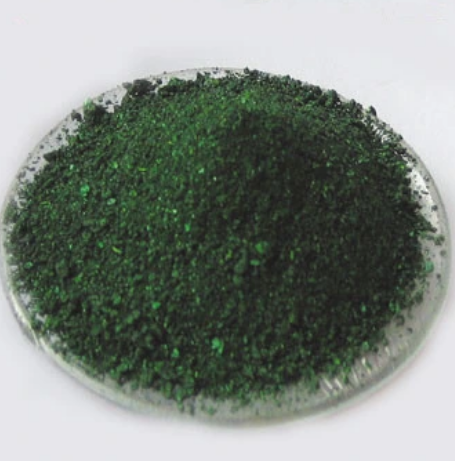
Janus Green B CAS:2869-83-2 Manufacturer Price
Janus Green B is a biological stain that is commonly used to visualize and study mitochondria, the energy-producing organelles within cells. It is widely utilized in biological and medical research to help researchers understand the structure and function of mitochondria, as well as their role in cellular health and disease.
-
1-β-D-Arabinofuranosyluracil CAS:3083-77-0
1-β-D-Arabinofuranosyluracil is a nucleoside analog with antiviral activity. It acts by inhibiting the replication of herpes simplex virus and varicella-zoster virus. This compound, also known as vidarabine, is used to treat certain viral infections, particularly those affecting the skin and eyes. It may be administered as a topical ointment or as an injectable medication.
-
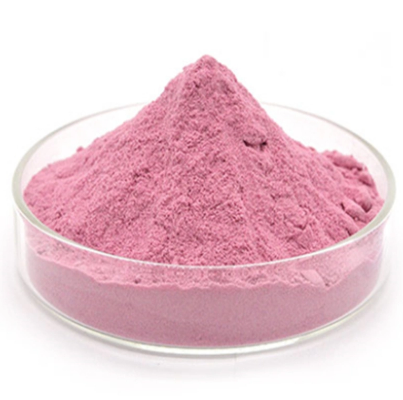
Bromophenol blue CAS:115-39-9 Manufacturer Price
Bromophenol blue is a pH indicator, commonly used in laboratories to measure the pH of solutions. In its acidic form, it appears yellow, and in its basic form, it turns blue. This color change makes it useful for monitoring the pH changes in various chemical reactions and biochemical assays. Additionally, it is utilized in DNA agarose gel electrophoresis to track the movement of DNA fragments during the separation process.
-
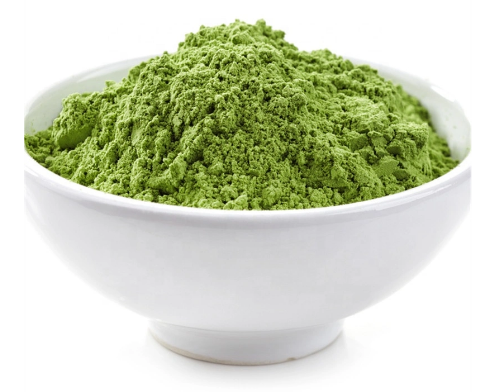
Light green SF CAS:5141-20-8 Manufacturer Price
Light Green SF” is a synthetic organic compound known for its application as a dye within the textile and paper industries. This dye is a bright green color and is used to add vibrant hues to fabrics, paper products, and other materials. It is known for its excellent colorfastness and is often used in products where long-lasting, lightfast colors are desired.
-
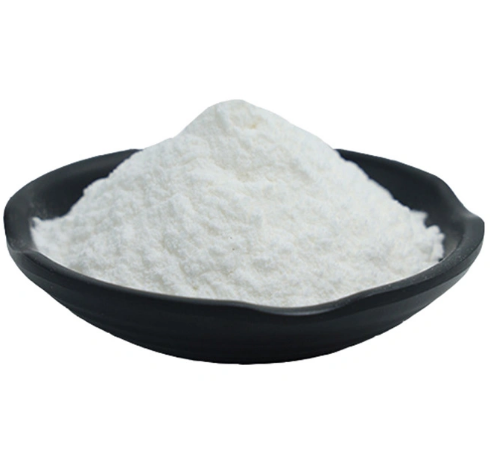
BS Grade CAS:14726-29-5 Manufacturer Price
Fast Blue RR salt is a chemical compound commonly used in biological research as a staining dye for proteins. It is known for its fast and reliable staining properties, and is commonly used in techniques such as SDS-PAGE and Western blotting. This dye is especially useful for visualizing protein bands and accurately determining molecular weights in protein electrophoresis.
-
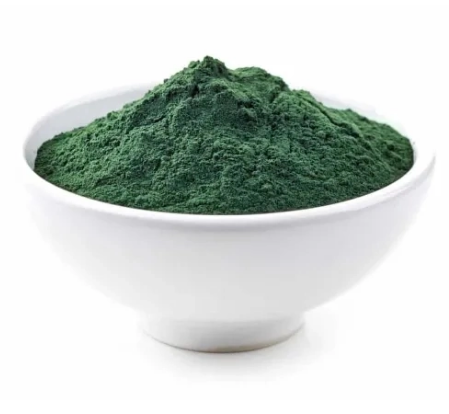
Methyl green CAS:7114-03-6 Manufacturer Price
Methyl green is a biological dye commonly used in histology and cytology to selectively stain and visualize nucleic acids (DNA and RNA) under a microscope.
-
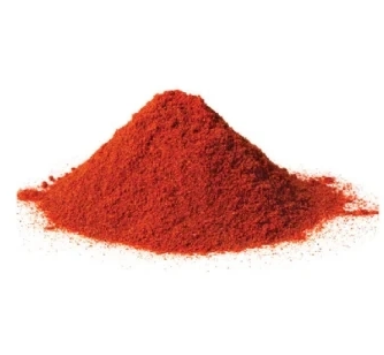
Carmine CAS:1390-65-4 Manufacturer Price
Carmine is a bright red pigment derived from cochineal insects. It is commonly used in food, cosmetics, textiles, and artwork. Its vibrant hue makes it popular for adding color to a wide variety of products.
-

MTT (Thiazolyl blue tetrazolium bromide) CAS:298-93-1
MTT, or Thiazolyl blue tetrazolium bromide, is a yellow tetrazole compound that is commonly used in cell biology and biochemistry to assess cell viability and proliferation. When added to living cells, MTT is converted by mitochondrial enzymes into a purple formazan product, which can be quantified spectrophotometrically. This assay is widely employed to measure cell metabolic activity and has applications in drug development, cytotoxicity testing, and studying cell signaling pathways. MTT is a valuable tool for researchers studying cell biology and exploring the effects of various compounds on cellular health and function.
-
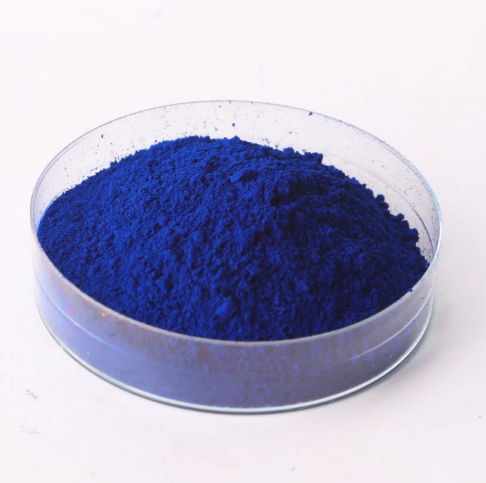
Coomassie brilliant blue G-250 CAS:6104-58-1
Coomassie Brilliant Blue G-250 is a dye commonly used to stain proteins in polyacrylamide gel electrophoresis. It binds to proteins and allows them to be visualized easily, aiding in the analysis of protein separation and quantification. It is widely used in biochemical and molecular biology research as a sensitive and reliable protein staining technique.
-

Nitrotetrazolium blue chloride CAS:298-83-9
Nitrotetrazolium blue chloride, often abbreviated as NBT, is a chemical compound commonly used as a substrate to detect the presence of certain enzymes, such as nitroreductases, in biological samples. When NBT is reduced by these enzymes, it forms an insoluble formazan product, producing a blue or purple color that can be visually or spectrophotometrically quantified. This reaction is frequently employed in research to study enzyme activity, particularly in immunology and microbiology. Additionally, NBT has been utilized in various assays to understand redox reactions and cellular oxidative stress.