-
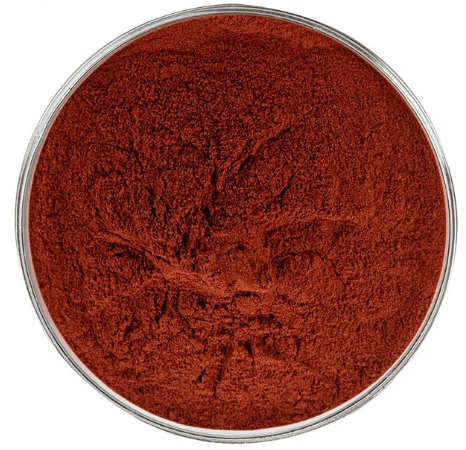
Coomassie brilliant blue R-250 CAS:6104-59-2
Coomassie Brilliant Blue R-250 is a commonly used dye in protein research and electrophoresis. It is especially noted for its use in staining proteins in polyacrylamide gel electrophoresis (PAGE). Due to its strong affnity for proteins, it binds to them, resulting in a highly visible blue color that allows for the visualization and quantification of proteins. Additionally, it is often used in protein purification processes as a dye for assessing protein concentration and assessing the success of the purification process.
-
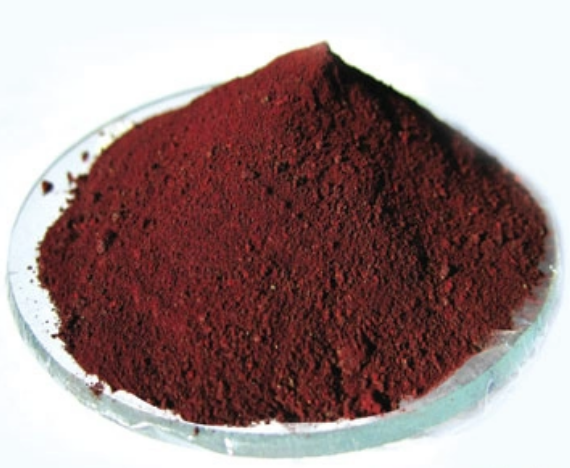
Ponceau S CAS:6226-79-5 Manufacturer Price
Ponceau S is a red dye commonly used in protein research to stain proteins on nitrocellulose or PVDF membranes after transfer from polyacrylamide gels. It is often used as a reversible stain as it does not covalently bind to proteins, allowing for subsequent analysis. Ponceau S staining is quick, sensitive, and provides a visible indicator of protein transfer efficiency.
-
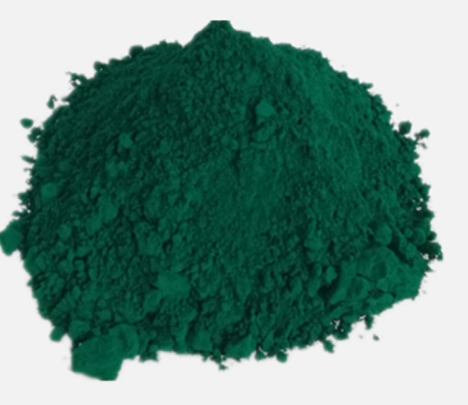
Toluidine blue O CAS:92-31-9 Manufacturer Price
Toluidine Blue O is a vital stain used in histology and cytology to aid in the visualization of cellular structures. It has an affinity for acidic tissue components like nucleic acids and cartilage. When applied to tissue samples, Toluidine Blue O can help to distinguish different cell types and highlight specific structures under a microscope. This stain is particularly useful in differentiating between healthy and diseased tissues, making it an essential tool in diagnostic and research settings.
-
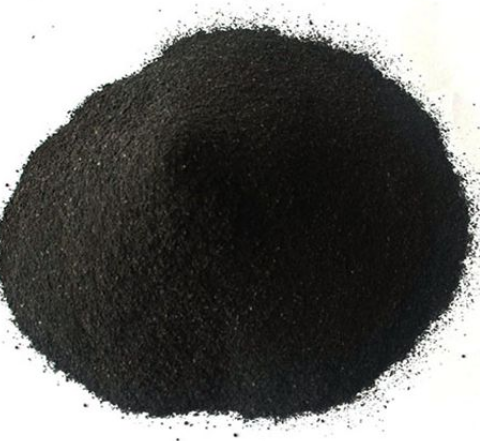
Trypan Blue CAS:72-57-1 Manufacturer Price
Trypan Blue is a diazo dye that is commonly used in biology and medicine. It is frequently employed as a vital stain to selectively color dead cells, allowing for the differentiation of live and dead cells in cell culture. Trypan Blue is often used in cell viability assays to assess cell health and is also utilized in laboratory research, such as in counting viable cells using automated cell counters. Additionally, it has applications in ophthalmic surgery, where it is used to stain the anterior capsule of the lens during cataract surgery to aid in visualization.
-
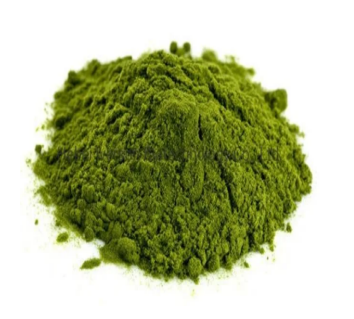
xylenecyanol ff CAS:2650-17-1 Manufacturer Price
Xylene cyanol FF is a tracking dye commonly used in molecular biology applications, such as agarose and polyacrylamide gel electrophoresis. It is used to monitor the progress of the DNA or RNA samples through the gel during electrophoresis, as well as to estimate the migration distance of the nucleic acid. Xylene cyanol FF typically migrates with a size range of DNA or RNA fragments that have approximately 4,000 – 6,000 base pairs.
-
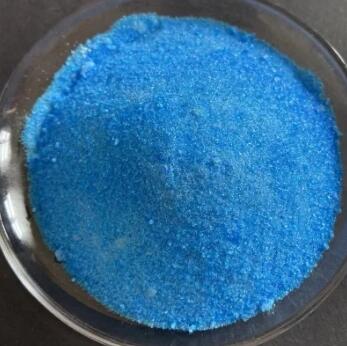
Ethidium bromide CAS:1239-45-8 Manufacturer Price
Ethidium bromide is a fluorescent dye commonly used as a nucleic acid stain in molecular biology research. It intercalates between the base pairs of DNA and RNA, allowing visualization of the nucleic acids under ultraviolet light. Ethidium bromide is frequently used in techniques such as gel electrophoresis to visualize and analyze DNA and RNA samples.
-

FMP Grade CAS:5486-84-0 Manufacturer Price
FAST BLUE BB SALT is a diazonium salt dye often used in biological and histological staining procedures to visualize proteins, particularly in polyacrylamide gels. It is commonly utilized in techniques such as Coomassie staining to detect and quantify proteins in electrophoresis experiments. FAST BLUE BB SALT is known for its rapid and sensitive protein detection capabilities, making it a valuable tool in biochemical research and laboratory analyses.
-
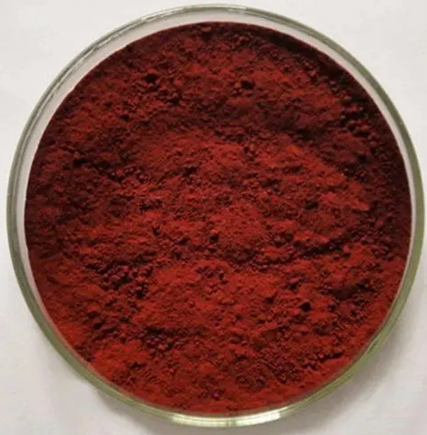
Acriflavine,neutral CAS:8048-52-0 Manufacturer Price
Acriflavine is a fluorescent dye that is commonly used in biological and medical applications to stain and visualize nucleic acids, particularly DNA and RNA. It is also used in microbiology and hematology for distinguishing between living and dead cells.
-
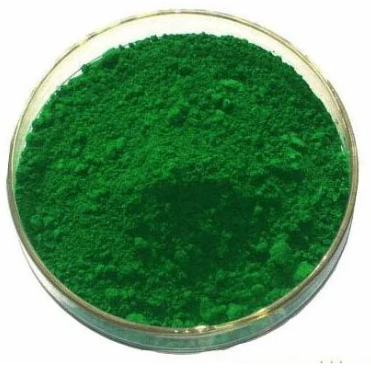
FUCHSIN BASIC CAS:632-99-5 Manufacturer Price
Basic fuchsin, also known as fuchsine or magenta, is a red-colored dye belonging to the family of synthetic basic dyes. It is commonly used as a histological stain for biological samples, especially in the staining of bacteria and other microorganisms. Basic fuchsin is also utilized in other applications such as dyeing textiles, coloring cosmetics, and as a biological stain in microscopy and cytology. Its intense color and affinity for cellular components make it a versatile tool in various scientific and industrial processes.
-
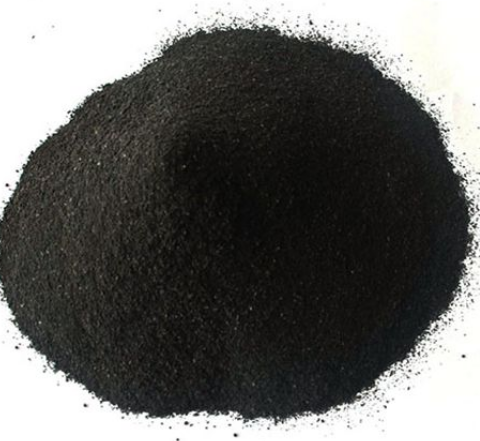
Amido Black 10B CAS:1064-48-8 Manufacturer Price
Acriflavine is a fluorescent dye that is commonly used in biological and medical applications to stain and visualize nucleic acids, particularly DNA and RNA. It is also used in microbiology and hematology for distinguishing between living and dead cells.
-

Hematoxylin CAS:517-28-2 Manufacturer Price
Hematoxylin is a natural dye extracted from the logwood tree, commonly used in histology and pathology for staining cell nuclei blue. It is often used in combination with eosin to provide contrast in tissue samples and is a widely used staining technique in medical and biological laboratories.
-
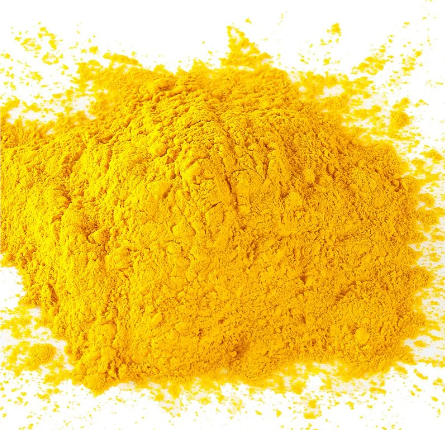
Bisbenzimide H33342 CAS:23491-52-3 Manufacturer Price
Bisbenzimide H33342 is a fluorescent dye commonly used in molecular biology and cell biology research. It is known for its ability to bind to DNA and is often used for visualizing and staining DNA in microscopy and flow cytometry applications. Additionally, it is employed for DNA quantification and cell cycle analysis. Bisbenzimide H33342 is popularly used as a counterstain in fluorescence microscopy to visualize cell nuclei in a variety of biological samples.

