-
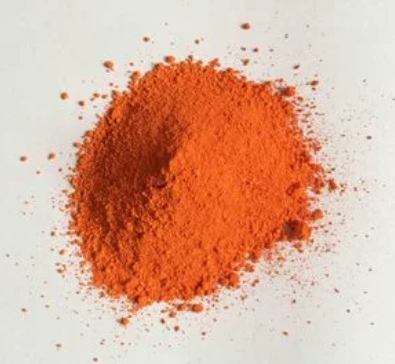
Orange G CAS:1936-15-8 Manufacturer Price
Orange G is a synthetic azo dye that is commonly used as a pH indicator and textile dye. It appears as a dark orange powder and is often employed in the laboratory to determine the pH of solutions. In the textile industry, Orange G is utilized to color nylon and silk fibers. The dye is also used in the food industry, particularly for coloring products such as smoked fish and cheese.
-

Acridine orange, hemi salt CAS:10127-02-3
Acridine orange hemi salt is a fluorescent dye commonly used in biology and medicine for various applications, such as staining nucleic acids in cell biology and histology. It is a cationic dye that binds to DNA and RNA, emitting a green fluorescence when bound to double-stranded nucleic acids and a red fluorescence when bound to single-stranded nucleic acids. Acridine orange hemi salt is also used in microbiology for distinguishing between living and dead cells and in the field of hematology for staining blood cells. Additionally, it has been employed in environmental research for assessing bacterial and yeast viability.
-

Diantipyrylmethane CAS:1251-85-0 Manufacturer Price
Diantipyrylmethane refers to a class of organic compounds that contain two pyridine rings linked by a methane bridge. These compounds are known for their versatile coordination chemistry and are often used as complexing agents in various chemical analyses, particularly in the field of analytical chemistry. Diantipyrylmethane derivatives have been employed as indicators in complexometric titrations, as well as in the spectrophotometric determination of various metal ions. Their ability to form stable complexes with metal ions makes them valuable in chemical detection and quantification processes.
-

Orange I CAS:523-44-4 Manufacturer Price
Orange I is an organic compound commonly used as an azo dye. It is often employed as a dye for textiles, but it can also be used as a histological stain in biological research. This compound has a bright orange-red color and is water-soluble, making it suitable for a range of applications.
-
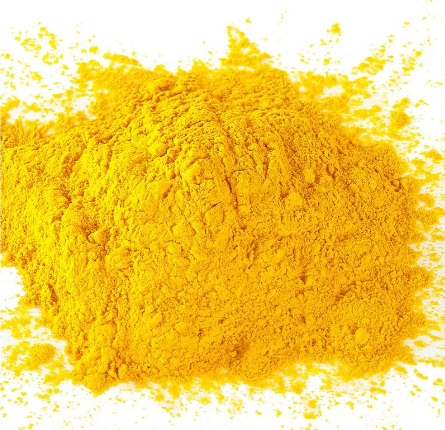
Dimethyl yellow CAS:60-11-7 Manufacturer Price
Dimethyl yellow is a synthetic organic compound used as a dye, particularly in the textile and paper industries. It is a bright yellow powder and is sometimes used as an indicator in analytical chemistry.
-
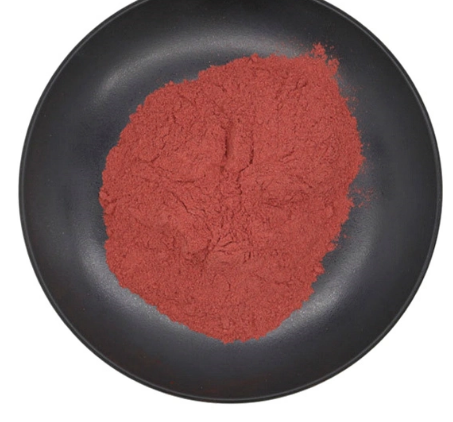
Solvent Red 43 CAS:15086-94-9 Manufacturer Price
Solvent Red 43 is a synthetic organic dye, commonly used in the coloring of various materials including plastics, inks, and hydrocarbon-based products. It is known for its bright red color and is often used to provide a vibrant red hue to different products. Additionally, Solvent Red 43 is utilized in the manufacturing of markers, paints, and other industrial and commercial applications requiring a strong red pigment.
-

Eosin B CAS:548-24-3 Manufacturer Price
Eosin B is a synthetic red dye commonly used in histology and microbiology for staining cell and tissue samples. It is particularly useful for highlighting the cytoplasm and extracellular spaces in biological samples, as it is known to selectively bind to acidic structures such as collagen and muscle fibers. Eosin B is also employed in hematology for staining blood smears to visualize red blood cells and other blood components.
-
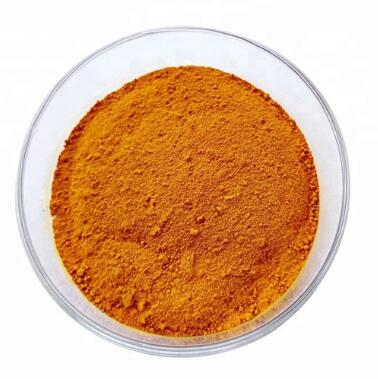
Sudan Orange G CAS:2051-85-6 Manufacturer Price
Sudan Orange G is an industrial dye belonging to the class of azo dyes. It is commonly used to color materials such as waxes, oils, and petrol products. It has a bright orange color and is often used in coloring shoe and floor polishes, as well as in the dyeing of plastics and rubber. Additionally, Sudan Orange G is used in biological research as a histological stain for determining fat under the microscope.
-

Fast Blue B salt CAS:14263-94-6 Manufacturer Price
Fast Blue B Salt is a synthetic dye commonly used in the laboratory for staining and microscopy applications. It is frequently employed as a histological stain to highlight specific structures in cells and tissues, aiding in the visualization and analysis of biological samples. Additionally, Fast Blue B Salt may be utilized in various analytical and research procedures to aid in the identification and characterization of biological materials.
-
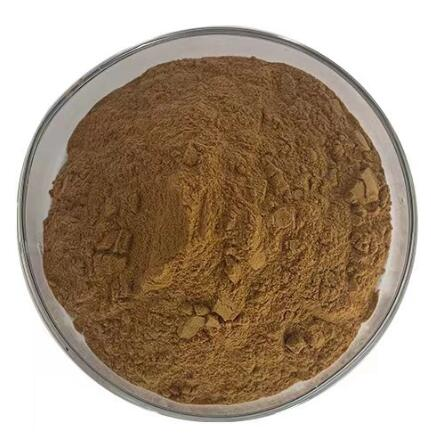
Sudan Red 7B CAS:6368-72-5 Manufacturer Price
Sudan Red 7B is an industrial dye belonging to the Sudan Red family of synthetic azo dyes. It is commonly used to color a variety of materials, including plastics, oils, waxes, and some solvent-based products. However, due to its potential health risks and carcinogenic properties, its use in food and cosmetic products is highly regulated or prohibited in many countries. Sudan Red 7B is known for its reddish to dark brown color and is primarily used for industrial applications.
-

Fuchsin acid CAS:3244-88-0 Manufacturer Price
Fuchsin acid, also known as acid fuchsin, is a synthetic red dye commonly used in histology and microbiology for staining purposes. It is particularly valuable in staining biological specimens for microscope analysis, allowing for the visualization of specific structures such as cartilage, connective tissue, and cell nuclei. Fuchsin acid is known for its affinity to acidic components in the tissues, which contributes to its widespread use in staining protocols. Additionally, it has been applied in gram staining techniques to differentiate between gram-positive and gram-negative bacteria.
-
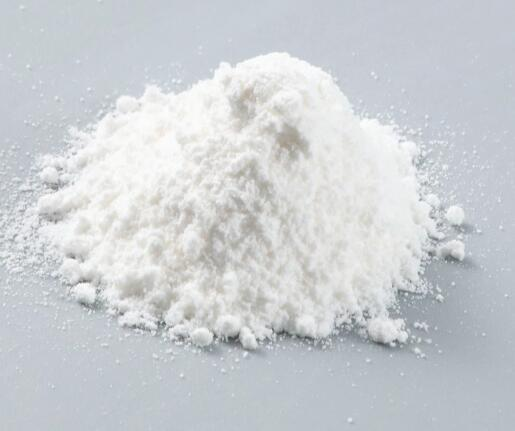
Vitamin B6 CAS:8059-24-3 Manufacturer Price
Vitamin B6, also known as pyridoxine, is a water-soluble vitamin that plays a crucial role in numerous bodily functions. It is involved in the metabolism of amino acids, which are the building blocks of proteins, and helps in the synthesis of neurotransmitters, such as serotonin and dopamine, which are important for mood regulation and cognitive function.
Additionally, vitamin B6 supports the immune system, helps in the production of red blood cells, and contributes to the regulation of hormone activity. It also plays a role in maintaining healthy skin, nerves, and overall brain function.
Good food sources of vitamin B6 include poultry, fish, bananas, chickpeas, and various nuts and seeds.

