-
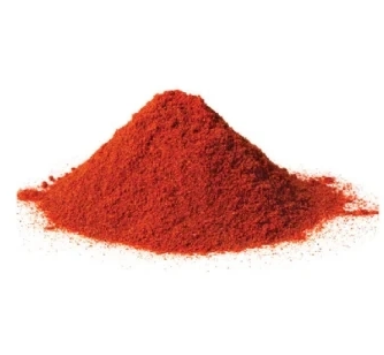
Carmine CAS:1390-65-4 Manufacturer Price
Carmine is a bright red pigment derived from cochineal insects. It is commonly used in food, cosmetics, textiles, and artwork. Its vibrant hue makes it popular for adding color to a wide variety of products.
-

MTT (Thiazolyl blue tetrazolium bromide) CAS:298-93-1
MTT, or Thiazolyl blue tetrazolium bromide, is a yellow tetrazole compound that is commonly used in cell biology and biochemistry to assess cell viability and proliferation. When added to living cells, MTT is converted by mitochondrial enzymes into a purple formazan product, which can be quantified spectrophotometrically. This assay is widely employed to measure cell metabolic activity and has applications in drug development, cytotoxicity testing, and studying cell signaling pathways. MTT is a valuable tool for researchers studying cell biology and exploring the effects of various compounds on cellular health and function.
-
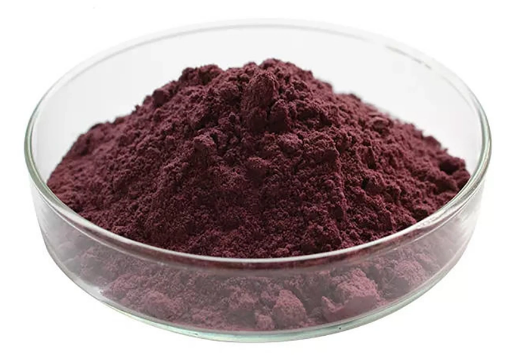
Methyl Red CAS:493-52-7 Manufacturer Price
Methyl Red is a pH indicator commonly used in microbiology to identify bacteria that produce stable acids when fermenting glucose. It is red at pH levels below 4.4 and yellow at pH levels above 6.2. Methyl Red is often employed in the identification of enteric bacteria and plays a crucial role in differentiating between various microbial species.
-
![3,3′,5,5′-Tetramethyl-[1,1'-biphenyl]-4,4′-diamine CAS:54827-17-7](https://cdn.globalso.com/xindaobiotech/图片3100.png)
3,3′,5,5′-Tetramethyl-[1,1'-biphenyl]-4,4′-diamine CAS:54827-17-7
3,3′,5,5′-Tetramethyl-[1,1'-biphenyl]-4,4′-diamine, also known as p-Toluidine, is a chemical compound commonly used in the production of dyes and pigments, as well as in the synthesis of polyurethane foam and epoxy resins.
-
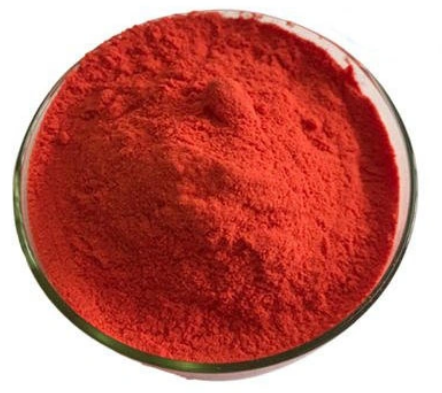
Cresol Red CAS:1733-12-6 Manufacturer Price
Cresol Red is a pH indicator dye that is commonly used in laboratory settings to determine the pH level of a solution. It is often used in combination with other dyes and indicators to provide a color change at a specific pH range. Cresol Red is typically red at a lower pH and yellow at a higher pH, making it useful for visualizing acidity changes in various substances.
-
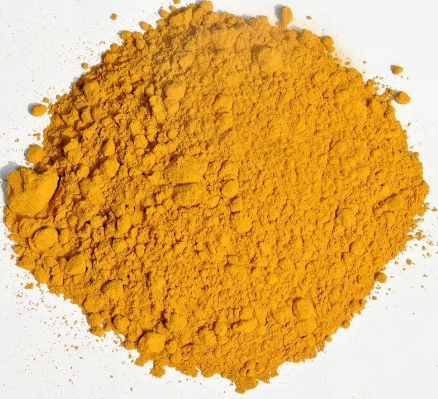
Mordant Yellow 1 CAS:584-42-9 Manufacturer Price
Mordant Yellow 1 is a synthetic dye that is commonly used in the textile industry. It is known for its vibrant yellow color and ability to adhere to fabric when used with a mordant (a substance that helps fix the dye to the material).
-
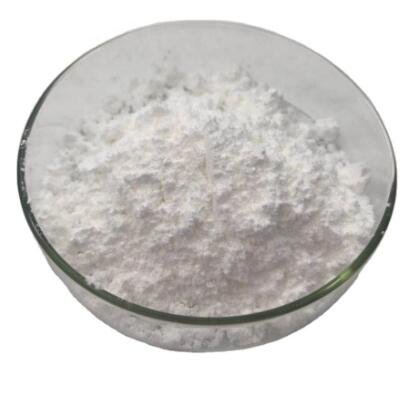
4-Nitrophenyl phosphate disodium salt 6-hydrate CAS:333338-18-4
4-Nitrophenyl phosphate disodium salt hexahydrate is a chemical compound often used as a substrate in enzyme assays to detect the activity of alkaline phosphatase.
-
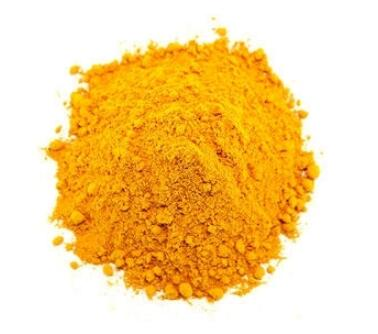
Curcumin CAS:458-37-7 Manufacturer Price
Curcumin is a naturally occurring chemical compound found in the turmeric plant. It is known for its bright yellow color and is often used as a food coloring agent and in traditional medicine for its potential health benefits. Curcumin has been the subject of numerous studies for its antioxidant and anti-inflammatory properties, and it is a well-known ingredient in dietary supplements and herbal remedies.
-
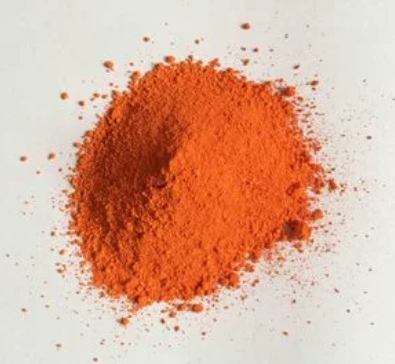
Orange G CAS:1936-15-8 Manufacturer Price
Orange G is a synthetic azo dye that is commonly used as a pH indicator and textile dye. It appears as a dark orange powder and is often employed in the laboratory to determine the pH of solutions. In the textile industry, Orange G is utilized to color nylon and silk fibers. The dye is also used in the food industry, particularly for coloring products such as smoked fish and cheese.
-

Acridine orange, hemi salt CAS:10127-02-3
Acridine orange hemi salt is a fluorescent dye commonly used in biology and medicine for various applications, such as staining nucleic acids in cell biology and histology. It is a cationic dye that binds to DNA and RNA, emitting a green fluorescence when bound to double-stranded nucleic acids and a red fluorescence when bound to single-stranded nucleic acids. Acridine orange hemi salt is also used in microbiology for distinguishing between living and dead cells and in the field of hematology for staining blood cells. Additionally, it has been employed in environmental research for assessing bacterial and yeast viability.
-

Diantipyrylmethane CAS:1251-85-0 Manufacturer Price
Diantipyrylmethane refers to a class of organic compounds that contain two pyridine rings linked by a methane bridge. These compounds are known for their versatile coordination chemistry and are often used as complexing agents in various chemical analyses, particularly in the field of analytical chemistry. Diantipyrylmethane derivatives have been employed as indicators in complexometric titrations, as well as in the spectrophotometric determination of various metal ions. Their ability to form stable complexes with metal ions makes them valuable in chemical detection and quantification processes.
-

Orange I CAS:523-44-4 Manufacturer Price
Orange I is an organic compound commonly used as an azo dye. It is often employed as a dye for textiles, but it can also be used as a histological stain in biological research. This compound has a bright orange-red color and is water-soluble, making it suitable for a range of applications.